Plants from the Elk River and Landslide and Berg Lakes

From an email by Jocie to the Botany Group on August 19.

Another mountain hike (and looking at plants of course) in Strathcona Park….here are a few pics from a recent backpack trip I did with my kids up the Elk River valley to Landslide Lake and beyond to Berg Lake. It’s a wonderful hike through old growth forest, following the Elk River and passing by some nice waterfalls. Landslide Lake has an impressive view of the rugged peaks of Mt. Colonel Foster.

The only downside is that this trail is very busy, especially on the weekends. Just a few years ago there were few people hiking the trails of the Buttle Lake corridor, but that has really changed. I have concerns that BC Parks is not prepared for the influx of so many hikers!

Some botanical highlights (click photo to enlarge):

Lewis’ monkeyflower (Erythranthe lewisii)
Posted in Plants and fungi | Comments Off on Plants from the Elk River and Landslide and Berg Lakes

Mountain plants/flowers

From an email by Jocie to the Botany Group on August 17.

Continuing on the mountain theme…here are some photos from John B., who like many of us wishes he had “more time and and spare legs.” These are all from the Mt. Washington area (click photo to enlarge):

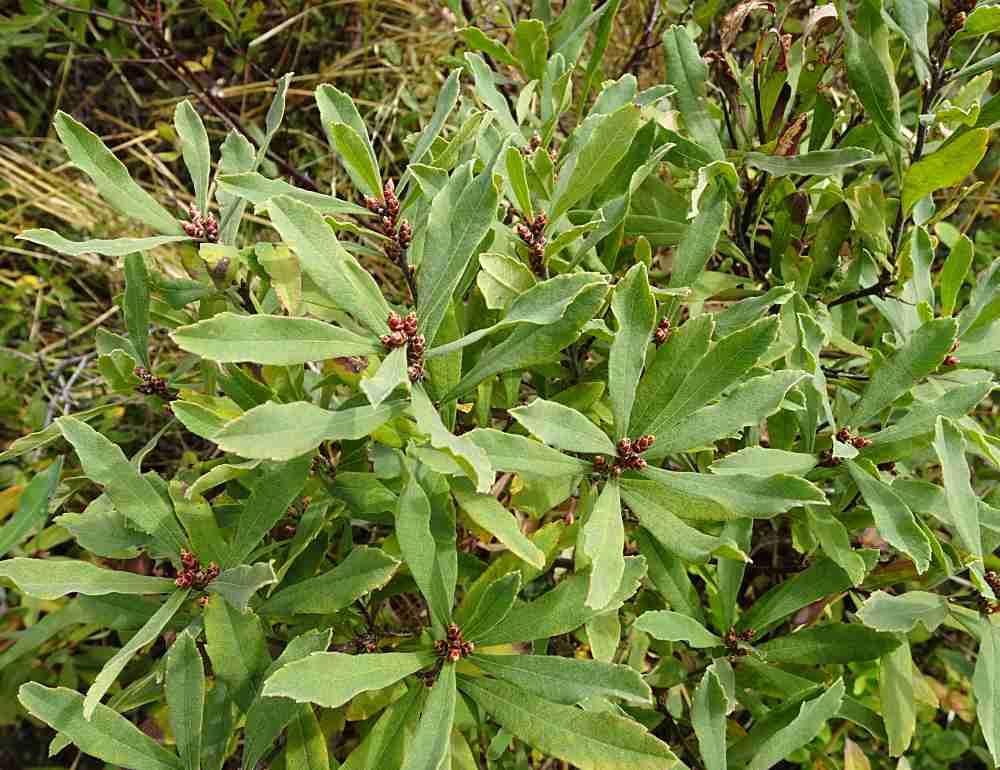
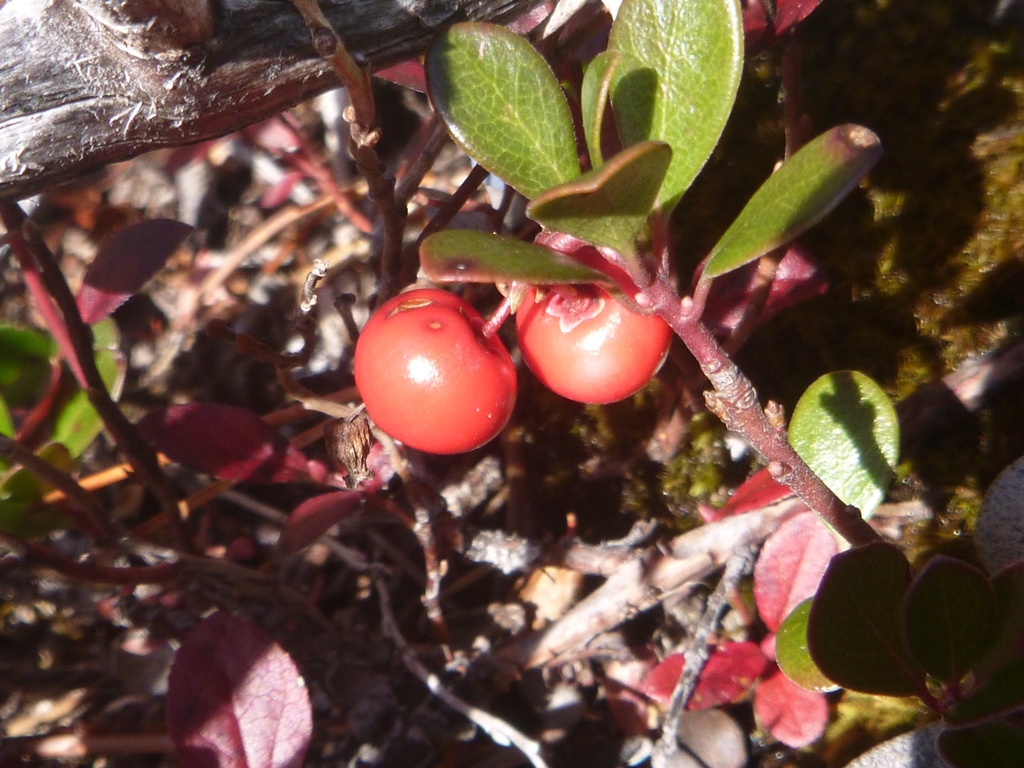
  1. Western tea-berry (Gaulteria ovatifolia). Looks like a mini version of salal!
  1. Running clubmoss (Lycopodium clavatum). An intriguing and ancient plant.
  1. Scouler’s valerian (Valeriana sitchensis ssp. scouleri). Note the stamens that extend well beyond the flower petals.

Botany nerds read on….

Scouler’s valerian is less common than sitka valerian in our area. The key differences:

  • V. stichensis is taller (up to 120cm) with leaves mainly along the stem.
  • V. sitchensis ssp. scouleri is shorter (up to 70cm) with mostly basal leaves, that are less toothed than sitka.

On iNaturalist, Randal and Jason have some records from lower elevations in the CV and Cumberland. Betty Brooks also recorded Scouler’s valerian from the upper Campbell Lake bluffs (no longer accessible by road). 

Posted in Plants and fungi | Comments Off on Mountain plants/flowers

Lichen project for Strathcona Park

Another belated post from earlier Botany Group communications – Jocie’s email to the group on July 1.

Below is a message from Randal about a lichen project for iNatuarlist happening this summer. I hope this will inspire all of you to do some lichen-looking. There is a rich diversity of lichens in Strathcona Park and Randal is sure to make many additions to the list.

Randal’s note:
“I was wanting to focus on lichens in the park this summer. I’ve set up an iNaturalist Project page for Lichens of Strathcona Park:”

https://www.inaturalist.org/projects/lichens-of-strathcona-provincial-park

“There are 194 current observations and about 50 species [on July 1]. With a little attention, both of those numbers should grow through the summer.”

Here are a few photos of common lichens to look out for in the Buttle Lake area (click to enlarge).

Cool-looking rock lichen from the Karst Creek trail (no ID yet)
Posted in Plants and fungi | Comments Off on Lichen project for Strathcona Park

Plants from Kings Peak

From an email by Jocie to the Botany group on August 16.

It’s mid-August, and a great time for mountain hikes and botanizing! It’s also a great time to relax in the garden with a tall glass of lemonade. If you are doing the latter, check out these photos from a recent hike to Kings Peak in Strathcona Park taken by Frank H., Jack B. and Jack’s dad Chris. Steep terrain, lots of bugs, great views and amazing plants!

Here’s a bit more from Frank: 
“We had a very good hike up Kings Peak last week and saw some great alpine 
plants.  The hike was a lot tougher than what I remembered from 15 years 
ago.  Funny how that works.”

All photos by Jack B. (click to enlarge).

Posted in Plants and fungi | Comments Off on Plants from Kings Peak

Unusual view of twinflower, etc.

From an email by Jocie to the Botany Group on July 7.

Here are a few more of John B’s photos (click to enlarge):

1. An usual view of a twinflower (Linnaea borealis).

2. Clusters of purple flowers in the axils of Canada mint/corn mint (Mentha arvensis). This is one of our most fragrant native mint species. 

3. Water lobelia (Lobelia dormanna). This is a lovely aquatic lobelia that lifts its flowering head above the water. John’s photo is from Morte Lake on Quadra Island. John reports that he has also seen it at Poum Lake. It can also be found along the shores of Morton Lake north of Campbell River and similar habitats. It is on the Comox Valley list too…not sure where it is in the CV, perhaps one of you will know.

Posted in Plants and fungi | Comments Off on Unusual view of twinflower, etc.

Rare white-lip rein orchid and more

From an email by Jocie to the Botany Group on August 6.

Here are a few interesting flower photos and notes from John B.

As a side note, there is some marsh cinquefoil at Cumberland Marsh, and I’ve also seen it at the Puntledge Bog. It’s probably finished blooming now, but has a neat, chocolate-coloured flower. It often grows right in the water!

John’s notes:

Once, eons ago, I found marsh cinquefoil at Poum Lake (Buckley Bay system). They had the road open so I braved the interminable dusty grind last weekend, and lo and behold it was in exactly the same spot. On the way down I had my eyes glued to the road looking for the blue-listed white-lip rein orchid. Found three groups! That is the orchid which we considered doing a trail diversion for in Rosewall Creek last year. So now I can give Marta and co. exact GPS data for their records. I have no idea how the poor little orchid survives right on the edge of a baking hot logging road, plastered with dust. Managed to get some pics of the remaining dirty flowers (going to seed).

Marsh cinquefoil (Comarum palustre)

White-lip rein orchid (Platanthera ephermerantha). For those of you who are thrown off by name changes, this was formerly known as Piperia candida. The common name on iNaturalist (just to make things more confusing) is whiteflower rein orchid.

Posted in Plants and fungi | Comments Off on Rare white-lip rein orchid and more

Bird DNA sampling started

From an email by Kelly to the Birding Group on August 6.

Weekly eDNA sampling has begun and will continue till end of November. The sampling is being done at the Airpark Lagoon. This is to assist Bettina Thalinger (University of Guelph) with her research for a method to identify bird species at remote sites.

We have a team of 6 birders involved in this citizen science.

Thanks to Shirley C. for the photos (click to enlarge).

Posted in Birds | Comments Off on Bird DNA sampling started

Frilly flowers

From an email by Jocie to the Botany Group on July 31.

The last day of July….sigh…what a great month it is for plants! Here are some fun photos from John B: “Plants which like to show off their frilly costumes. All local, and I am sure well known to all who like to slop around in marshes.”

Though exotic looking, all of these are quite common in Paradise Meadows and similar habitats. Buckbean is aquatic, growing in the ponds, deer cabbage is widespread in the meadows, and fringed grass-of-Parnassus is often found along the edges of subalpine streams.

Buckbean (Menyanthes trifoliata).

Deer cabbage (Nephrophyllidium crista-galli)

Fringed grass-of-Parnassus (Parnassia fimbriata)

Posted in Plants and fungi | Comments Off on Frilly flowers

Invasive green crab

From an email by Randal to the Shoreline Group on July 25.

This story of the European green crab has been in the news lately because it is sneaking up through the Salish Sea area. According to the DFO:

“The European Green Crab is one of the ten most unwanted species in the world. This small coastal crab, which is highly resilient, competes for prey and has the potential to upset the overall balance of the marine ecosystem.”

This is something our group can keep an eye out for in local eelgrass beds. If you see it, DFO wants it reported by email to .

Here is a CBC story on it:
https://www.cbc.ca/news/canada/british-columbia/invasive-green-crab-1.5659843

And here is the DFO page on it:
https://www.dfo-mpo.gc.ca/species-especes/profiles-profils/europeangreencrab-crabevert-eng.html

Posted in Shoreline and Marine | Comments Off on Invasive green crab

Plants of Forbidden Plateau

From an email by Jocie to the Botany Group on July 25.

I recently hiked the plateau traverse (from Wood Mountain to Paradise Meadows: 28 km) with Mandy and Krista, spending one night at Mackenzie Lake. We had a great time despite a torrential downpour near Croteau Lake on our second day.

Many of you have hiked the plateau or visited Paradise Meadows, and I’m sure all of you appreciate, as I do, the wildness and beauty of Strathcona Park.

The through-plateau hike takes one on a journey through a variety of  subalpine habitats, with a wonderful array of interesting plants all along the way. There are stretches of deep, rather spooky woods after which one emerges at charming lakes and open heather parkland. Lush meadows (a bit buggy) are full of flowers. There were many other surprises along the way…a wolf scat on the trail, a beaver slapping its tail at Mackenzie Lake, a tree frog sitting on a leaf, and spotted sandpipers peeping and bobbing their tails at the lake edge. So much to see!

Here are a few photos from the trip.

View of one of the Drabble Lakes looking toward Mount Becher.

Menzie’s burnet (Sanguisorba menziesii).

Mountain arnica (Arnica latifolia).

Sitka valerian (Valeriana sitchensis) with a long-horned beetle (I think this might be Evodinus vancouveri)

Plateau parkland and pond.

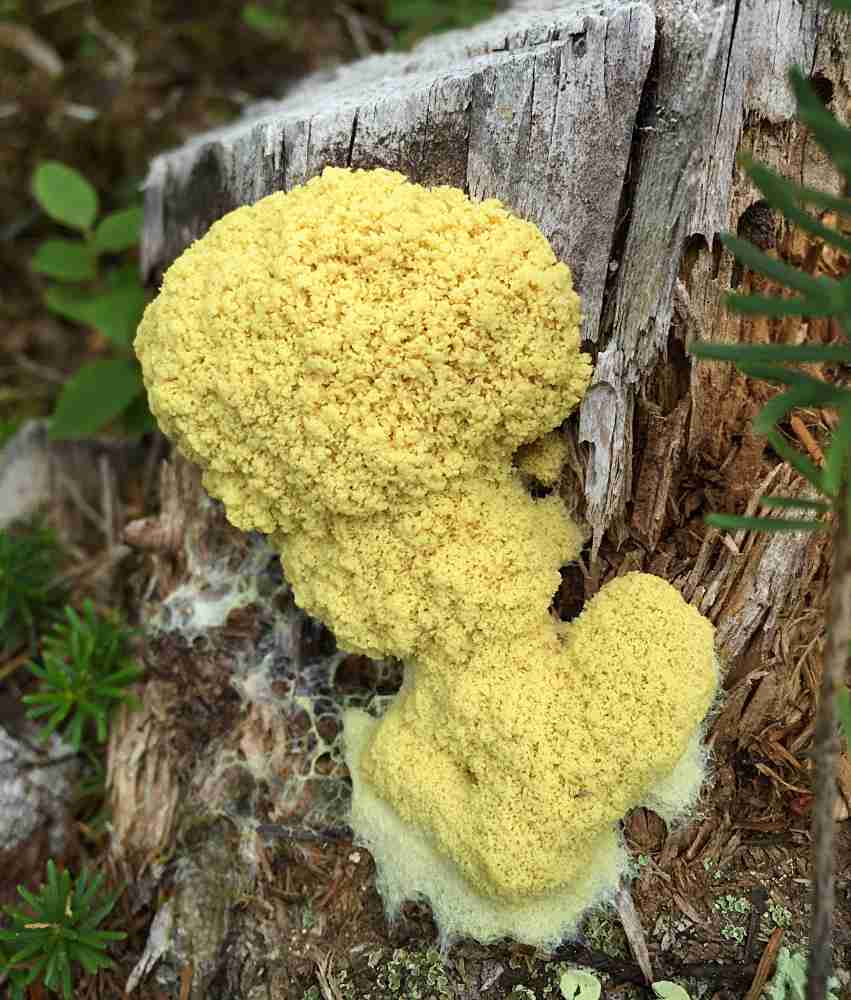
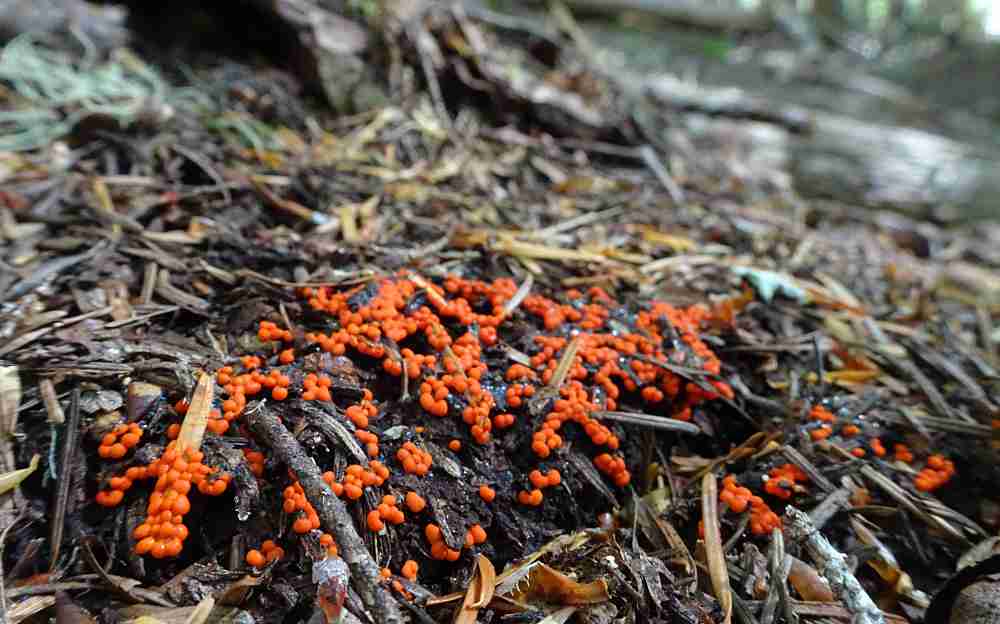
Slime mold (Feligo septica) and bracket fungus in the woods.

False hellebore (Veratrum viride).

Alpine speedwell (Veronica wormskjoldii).

Posted in Plants and fungi | Comments Off on Plants of Forbidden Plateau