This article about a Canada-wide community science project is contributed to our website (and other outlets) by Karen Vanderwolf, a PhD student at Trent University and Research Associate at New Brunswick Museum. A more detailed article will appear in CVN’s November newsletter.
If you have a bat box, scientists want to know about it!
Bats in Canada face multiple threats from habitat loss and disease. A bat box is a simple way to provide additional roosting habitat for bats, yet little is known about bat box use in Canada. Information on bat box use is especially important as three bat species in Canada are listed as endangered: little brown bats, northern long-eared bats, and tricolored bats.
If you have a bat box and would like to participate in this study, please fill out this online multiple-choice survey with questions about your bat box. Your participation is important even if your box does not have any bats!
This project is in partnership with the Wildlife Conservation Society and the Canadian Wildlife Federation. More information on the project is posted here and here.
The Canadian Society of Environmental Biologists is hosting a free online lecture as follows:
Title: Environmental pollution in British Columbia: A short history of chemical conquest Speaker: Dr. Peter Ross Date: Sunday, October 17, 2021 Time: 7:00 p.m. PT
This talk is open to CVN members and the public (see the registration link below).
Photo by Michael Snyder
Canada enjoys the longest coastline in the world, with 229,000 km spanning three oceans. This raises fundamental questions about how best to understand, let alone protect, marine biota from the complex blend of chemicals used, lost, or disposed of, in consumer or industry activities. With an estimated 500,000 chemicals on the market, this is a daunting challenge for scientists, regulators and resource managers.
Considering that 80% of ocean pollutants originate from land, the generation of data that helps us track contaminants back to their source will underpin solution initiatives. The Raincoast Conservation Foundation is now launching a new community-oriented water pollution program – Healthy Waters – that will track priority pollutants from land to sea. This will address a gap in regulatory and jurisdictional boundaries, and enable Indigenous Nations and communities to better manage pollutants within their area of interest and beyond.
Dr. Ross will provide a short history of pollution in British Columbia, and present examples of topical concerns including hydrocarbons, PCBs and microplastics, all under the mantra of healthy salmon, whales and people.
Dr. Peter S. Ross is a Senior Scientist at Raincoast Conservation Foundation in British Columbia, where he is launching a new initiative: the Healthy Waters Program.
He is an internationally recognized ocean pollution expert, having published over 160 scientific articles and book chapters on the fate and effects of a variety of pollutants of concern in the world’s oceans. He is a frequent advisor to conservation teams in different parts of the world, and has provided advice in support of chemical regulation, species at risk, ocean disposal and ocean health. He has long valued his partnerships with Indigenous communities working in support of safe traditional seafoods.
Dr. Ross is an Adjunct Professor at UBC Department of Earth, Ocean and Atmospheric Sciences, and at the UVic School for Environmental Studies. He recently served as the Vice-President of Research at Ocean Wise, where he founded the Ocean Pollution Research Program, launched PollutionTracker and the Plastics Lab, a dedicated high resolution facility working with industry, government agencies and academia on microplastic pollution. Prior to that, he served for 16 years as a federal Research Scientist with Fisheries and Oceans Canada. His work with priority pollutants and microplastics has led to numerous invitations to advise industry, government, the G7, the European Union, and the OECD.
“Seating capacity” for this webinar is limited, and you will need to register in advance. You can check the computer requirements for attendees here.
Comox Valley Nature recently presented the following webinar, facilitated by the Canadian Society of Environmental Biologists:
Title: Western redcedar dieback and community science in the Pacific Northwest Speaker: Dr. Joseph Hulbert Date: Sunday, September 19, 2021
If you missed this event or would like to see it again, CSEB has now made the recording available here. To access it you will need to provide your name and email address.
For more information about this talk, see the announcement in our earlier post.
Posted inEcology, Guest Speakers|Comments Off on Recording available for redcedar dieback talk
From an email by Jocie to the Botany Group on September 15.
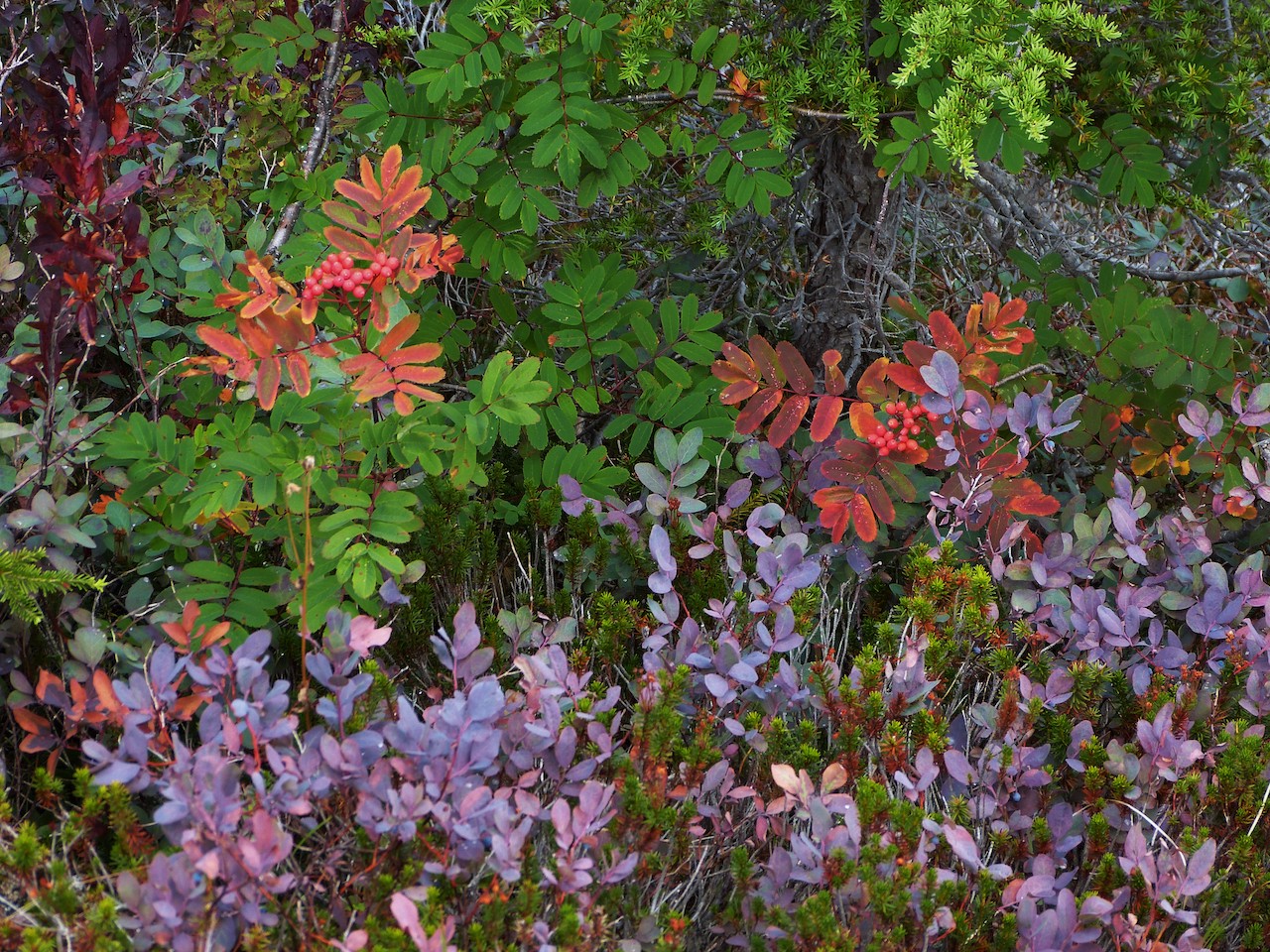
Here are a few photos from a hike I did up Mt. Becher with Mandy a few weeks ago. Some wonderful colours starting and lots of interesting plants though most of the summer blooms are over. [Click a photo to enlarge it.]
Colour mix (mountain ash, blueberries, heather). Photo by Mandy V.
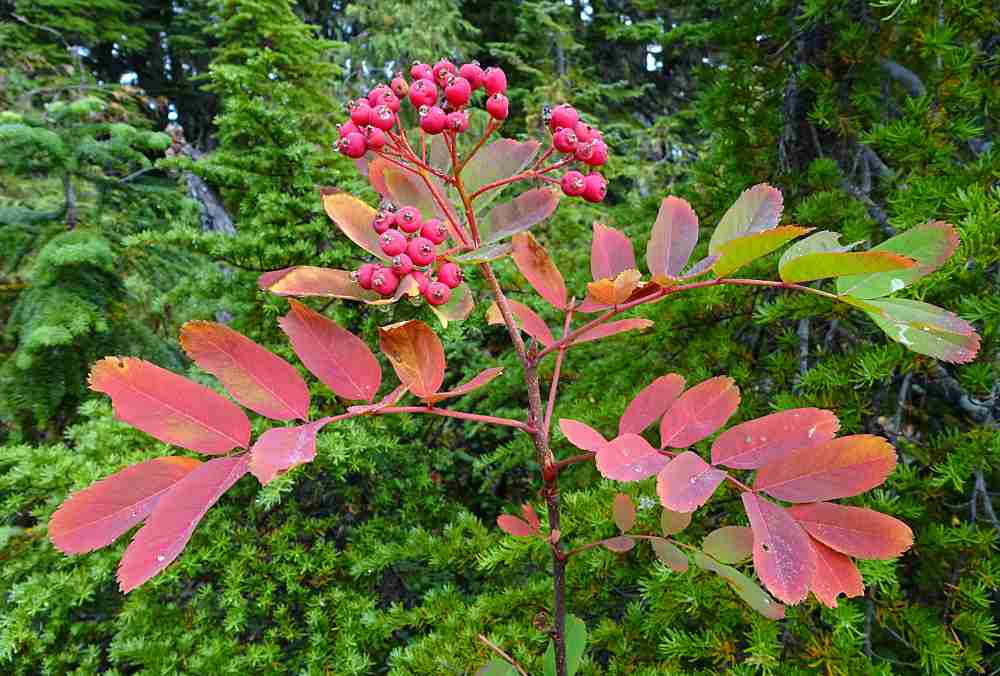
Sitka mountain-ash (Sorbus sitchensis)
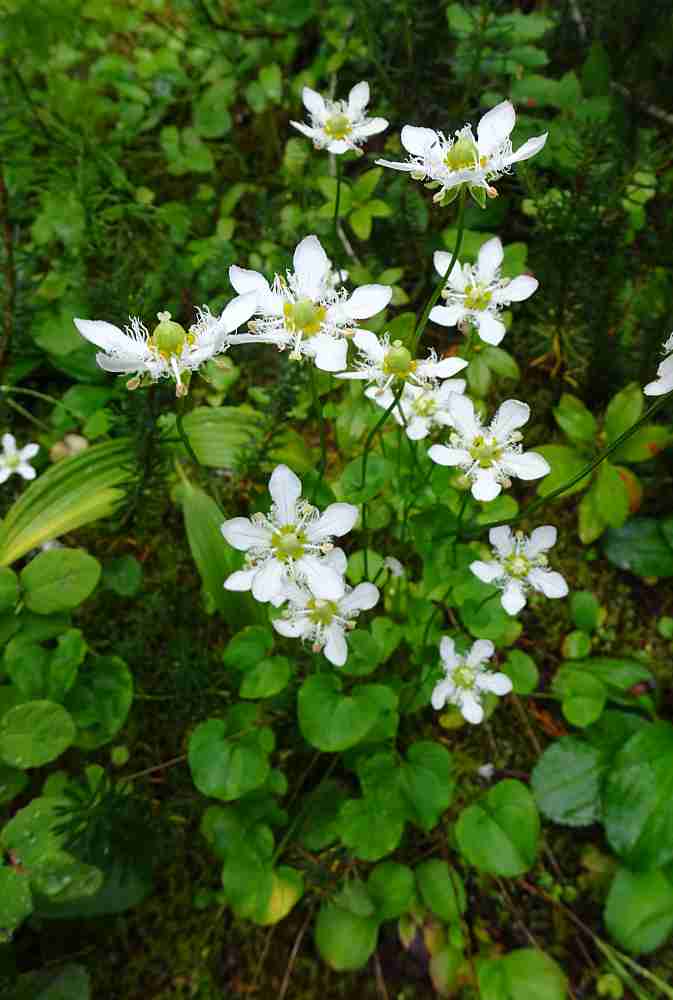
Fringed grass-of-parnassis (Parnassia fimbriata)
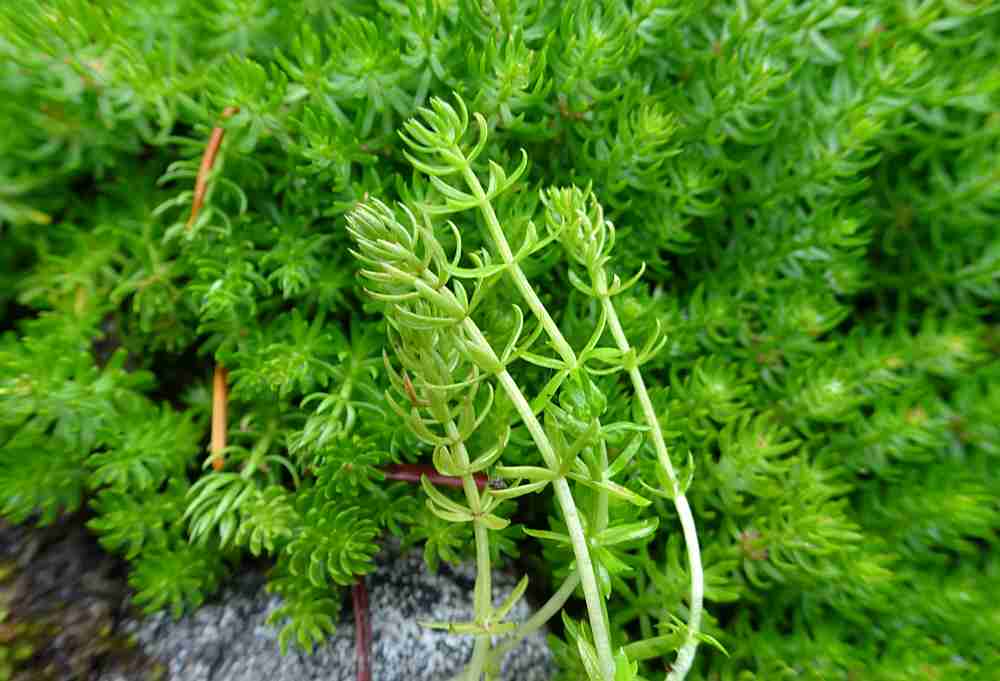
Mountain mare’s-tail (Hippuris montana)
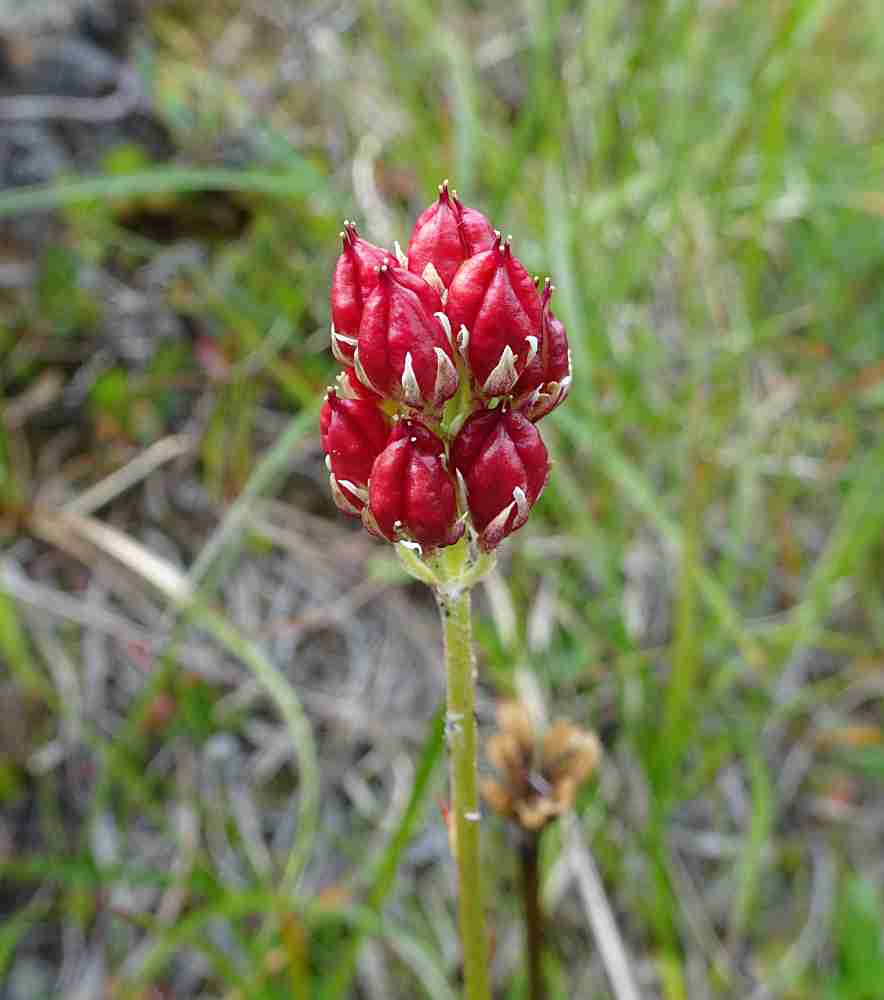
False asphodel (Tofieldia glutinosa): very bright red seedheads!
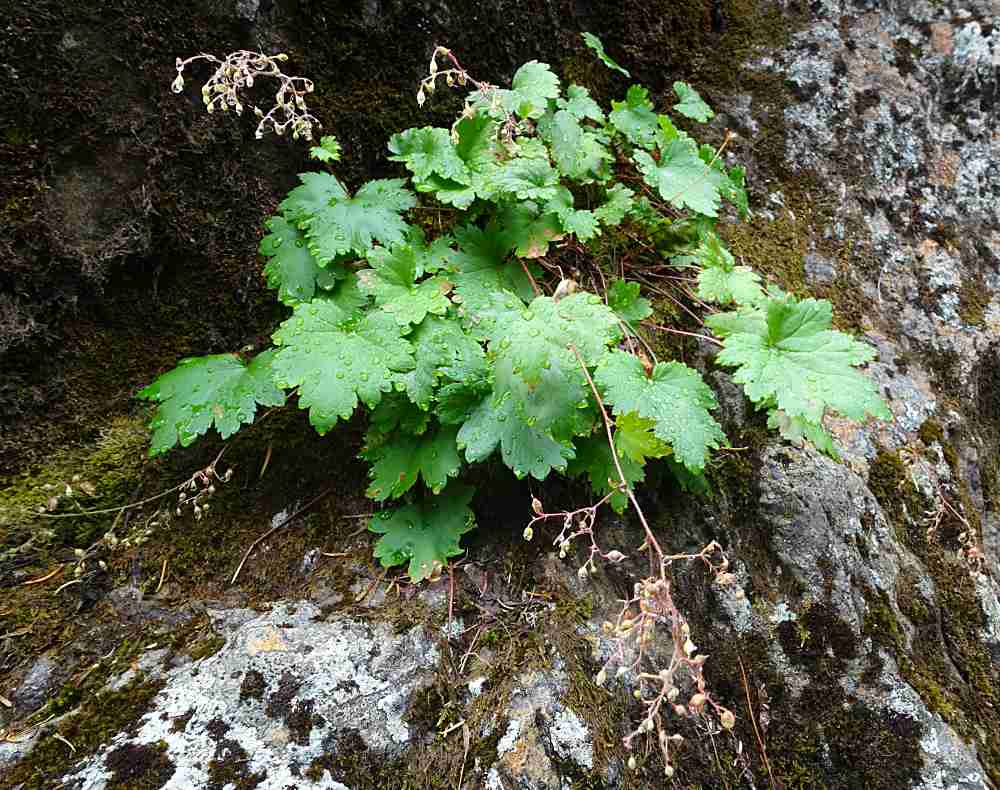
Alpine alumroot (Heuchera glabra)
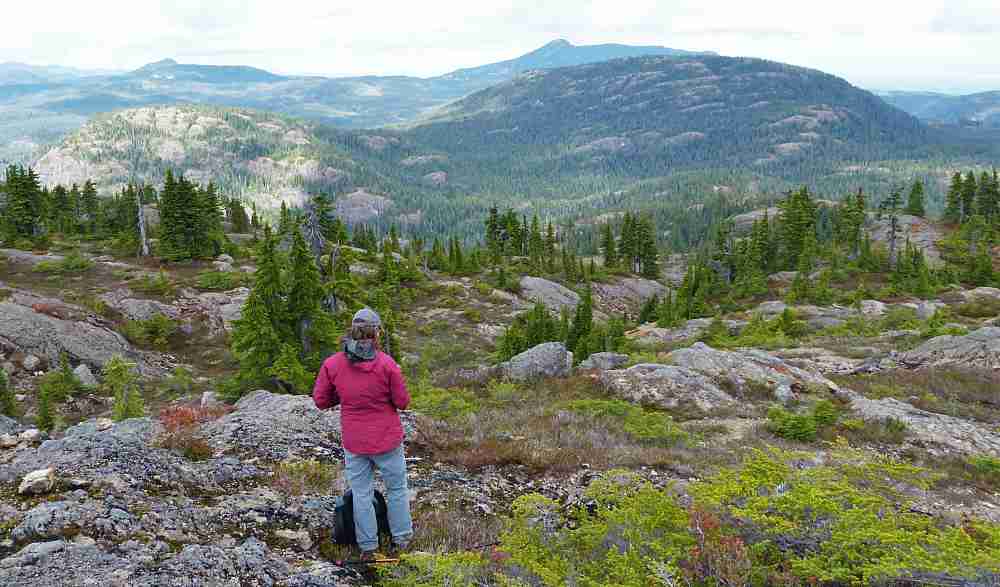
View of Mt. Drabble (right) and Indianhead (left) with Mt. Washington beyond. Photo by Mandy V.
The Strathcona Wilderness Institute recently presented the following two webinars, to which CVN members and the general public were invited:
Title: Investigating White Pine Blister Rust in Strathcona Park Speaker: Kaitlyn Kuzma-Wells Date: Sunday, September 5, 2021
Title: Notable Flora of Strathcona Park Speaker: Eva Ullstrom Date: Sunday, September 12, 2021
These webinars were facilitated by the Canadian Society of Environmental Biologists. If you missed these events or would like to see them again, the recordings are now available to stream from CSEB. Use the following links to access them (you will need to provide your name and email address):
From an email by Jocie to the Botany Group on September 4.
Apart from Alison’s lovely photos of Paradise Meadows, we haven’t delved into subalpine/alpine plants much this summer. So, here is a blast of the mountain flora.
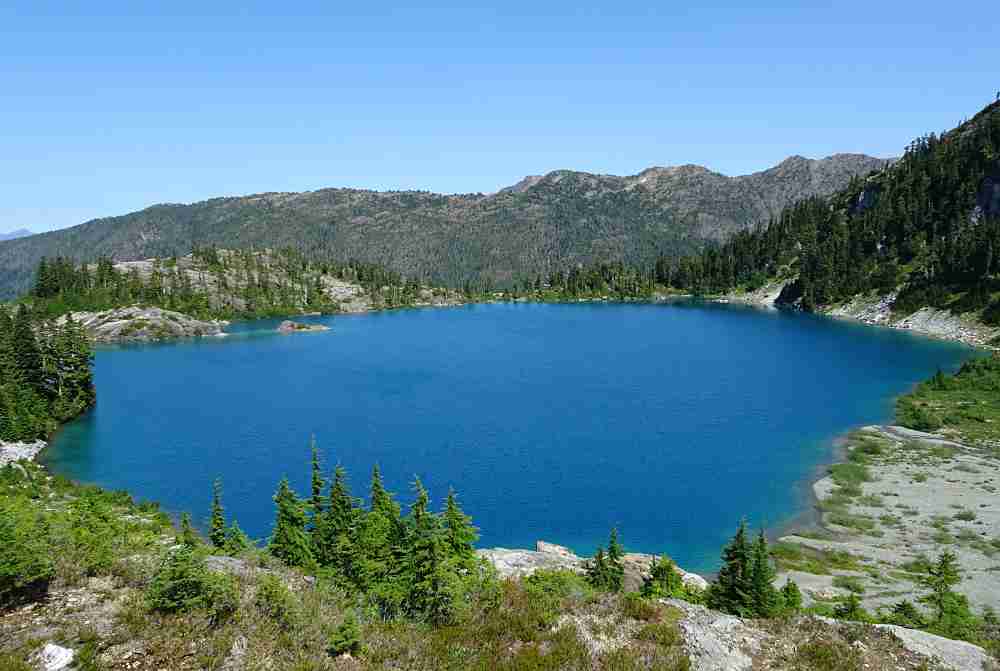
I went backpacking with my kids to Bedwell and Cream Lakes in Strathcona Park from August 18–20th. We camped at Baby Bedwell and did a day hike to Cream Lake. I hadn’t done this hike for quite a few years, and in my mind the terrain was more level and easy (funny how that is). It was a rough, rocky uphill slog! In short, my kids have vowed to never backpack again, but I think they will get over it.
Despite the dry summer the Cream Lake area was full of lush blooms. It’s an area that has late-lingering snow and seems to have quite a lot of water. Even the blueberries were plump. We were lucky to see an enormous black bear plowing through the berries (a slight trail detour but no big deal).
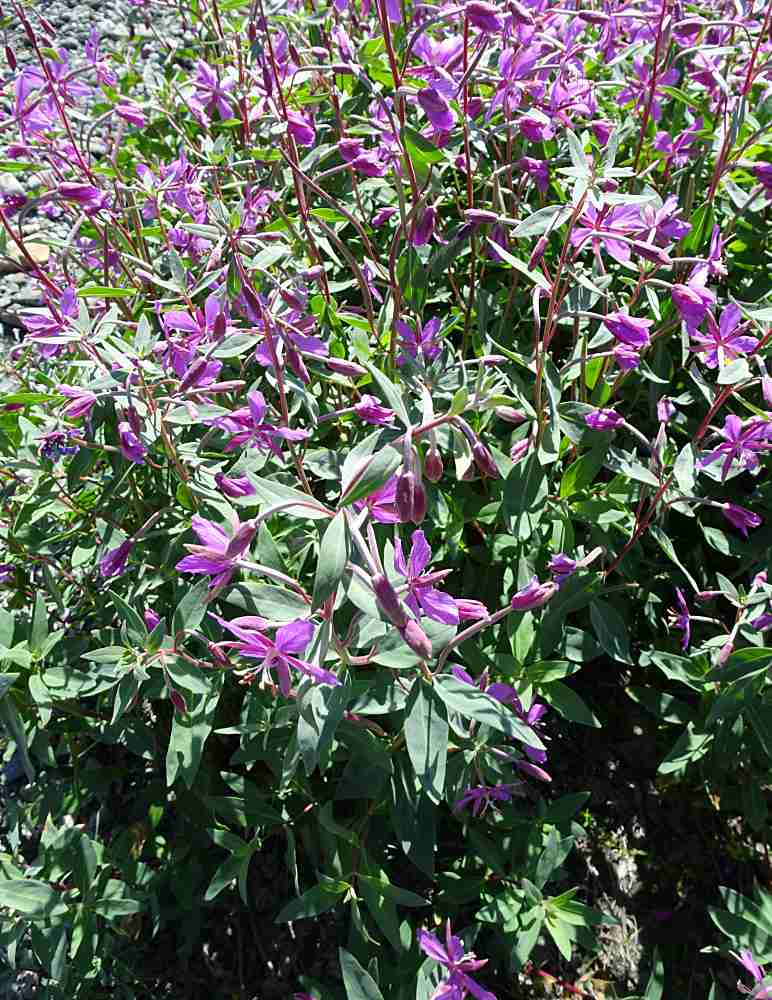
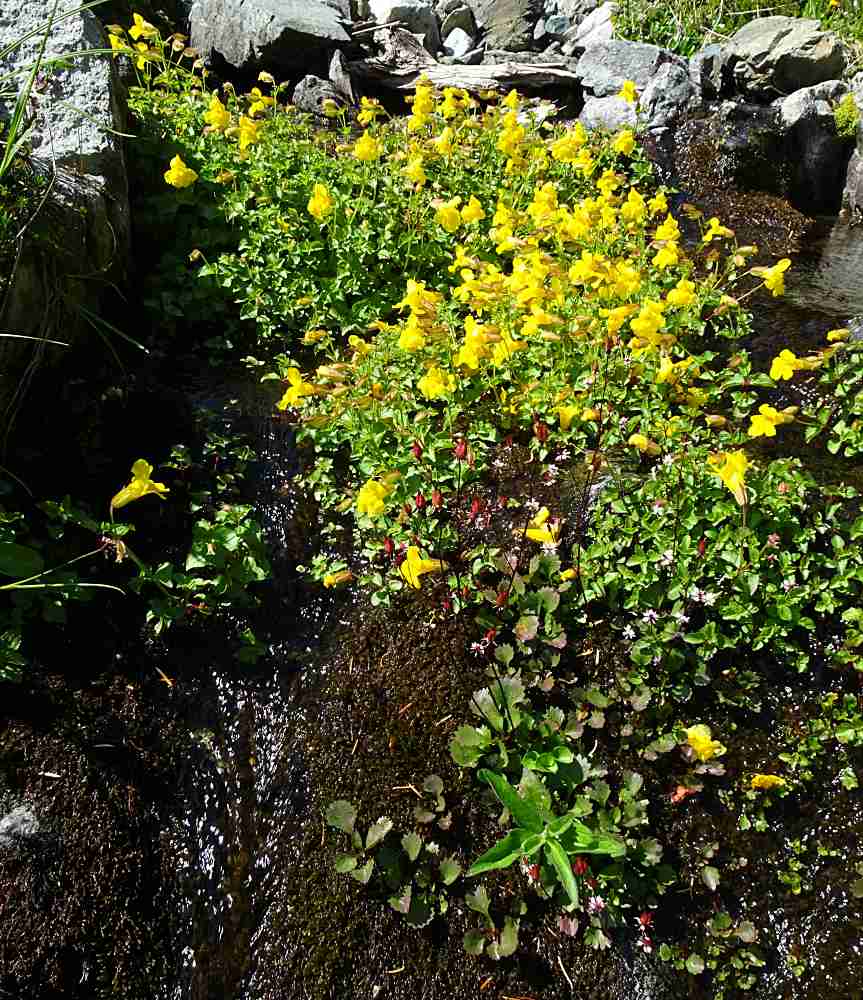
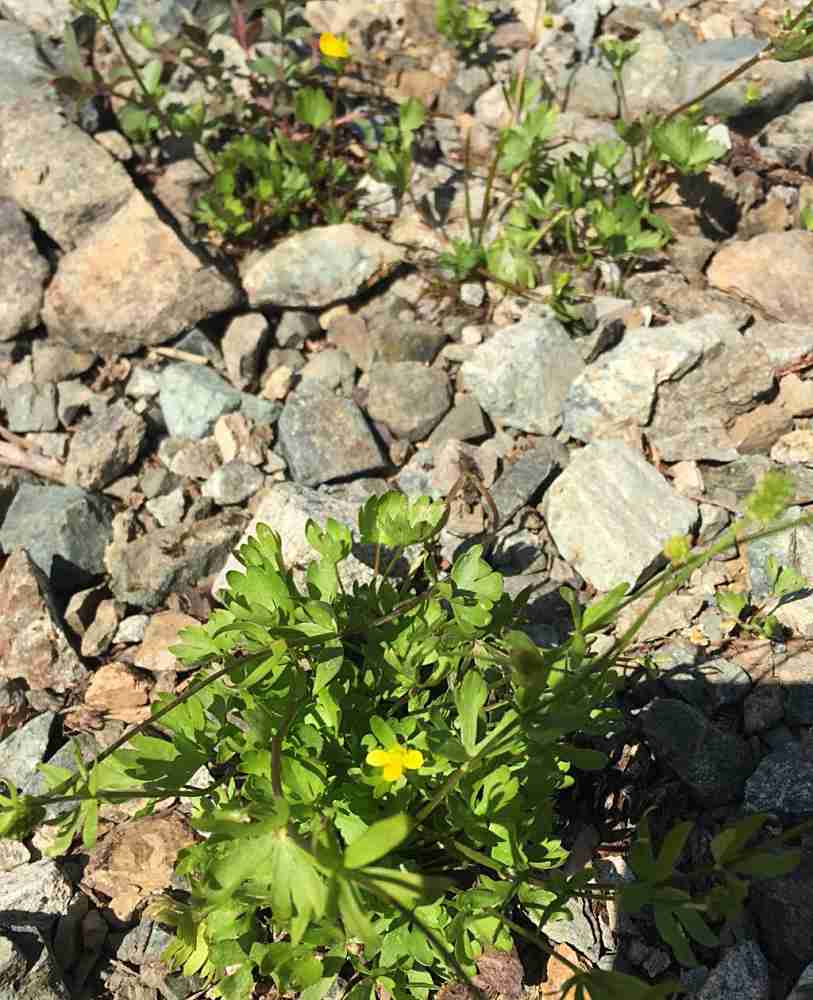
Here are some of the plants and views (part 1). Click a photo to enlarge it. More to come in a second instalment.
View of Bedwell Lake and Mt. Tom Taylor
Lewis’ monkey-flower (Erythranthe lewisii)
White pasqueflower, or “tow-headed baby” (Pulsatilla occidentalis)
Olympic aster (Eucephalus paucicaptitatus)
Western sweetvetch (Hedysarum occidentale)
Alpine sorrel (Oxyria digyna)
Mt Septimus view, with western columbine (Aquilegia formosa), cow parsnip (Heracleum lanatum), and harebell (Campanula rotundifolia)
Posted inPlants and fungi|Comments Off on Bedwell and Cream Lakes botany (part 1)
Comox Valley Nature is pleased to host the following free online lecture:
Title: Western redcedar dieback and community science in the Pacific Northwest Speaker: Dr. Joseph Hulbert Date: Sunday, September 19, 2021 Time: 7:00 p.m. PDT
This webinar is facilitated by the Canadian Society of Environmental Biologists and is open to the public (see the registration link below).
Western redcedar is a culturally, ecologically and economically important tree to western North America, but recent increases in dieback have raised concern about its vulnerability to hotter and dryer climates. Attend this presentation to learn about a community science approach to address the urgent need for information to aid decisions for climate adaptation.
Dr. Joey Hulbert is a Postdoctoral Research Associate at Washington State University. He has a background in forest pathology and he is passionate about public engagement in science. He is currently the Program Director of Forest Health Watch, an initiative of WSU’s Ornamental Plant Pathology Program.
His motivation to lead this program stems from his experience establishing the Cape Citizen Science program in South Africa during his doctoral studies.
“Seating capacity” for the talk is limited, and you will need to register in advance. You can check the computer requirements for attendees here.
From an email by Jocie to the Botany Group on August 30.
I don’t know how you all coped with the excessive heat this summer…but I ended up spending more time out on the water than I did hiking. I paddled some parts of the Sayward Canoe route, which is a chain of lakes northwest of Campbell River.
The timber around these lakes has been logged in the past and logging is ongoing. Though the area is mostly unprotected, much of the lake flora remains intact and I imagine it is quite similar to what it would have been like pre-logging. Despite the ongoing abuses to this area, these lakes have a quiet, peaceful character and some lovely native plants, a few of which I’ll share here. These are from Amor Lake. [Click a photo to enlarge it.]
King gentian (Gentiana sceptrum). Alison recently sent a photo of this lovely blue flower from Paradise Meadows, but gentians can also be found along the edges of lower elevations lakes.
Northern water horehound (Lycopus uniflorus). This member of the mint family has tiny white flowers in the axils, but it lacks a mint scent.
Field mint (Mentha arvensis). This mint, with clusters of lilac-coloured blooms in the axils, has a strong minty odour and makes a nice tea.
Aster….so many asters but this is likely Douglas’ aster (Aster douglasii) though I didn’t look at it very closely.
Lake shores glisten with red-coloured sundews, whose sticky leaves trap insects. This is a patch of great sundew (Drosera anglica).
Lake reflections to contemplate from the canoe.
Here’s a creature that isn’t celebrated much…a leech (subclass Hirudinae) that was lurking in the shallows. It had some quite handsome black & brown speckling. It didn’t stop me from having a swim!
Lots of dragonflies on the lakes. According to “Dragonflies of BC & the Yukon” (Cannings) this looks like the saffron-winged meadowhawk, Sympetrum costiferum (note the golden veins on the wing).
Resting the Grumman (built like a tank and almost as heavy) on a short portage from Amor Lake to Surprise Lake. There’s a camping spot here known as “Mr. Canoehead” which has a nice display of old historic logging boots and various shoes.
Posted inPlants and fungi|Comments Off on Lakeside plants, old boots, and other things
Comox Valley Nature members and the general public are invited to attend the following free online lecture presented by the Strathcona Wilderness Institute:
Title: Notable Flora of Strathcona Park Speaker: Eva Ullstrom Date: Sunday, September 12, 2021 Time: 7:00 p.m. PDT
This webinar is facilitated by the Canadian Society of Environmental Biologists (see the registration link below).
The vascular plants of Strathcona Provincial Park have long been the centre of floristic surveys and botanizing excursions. Despite Strathcona Park being subject to floristic surveys since the 1880s and now having many popular backcountry trails, the gaps in understanding species occurrences and distribution are still large. Biodiversity surveys across Strathcona Park this past summer revealed some of the lesser-known flora species of the park. Ranging from species never recorded in the park to unexpected oddities, Eva will present some of these notable flora and why they stand out from the 300+ species of vascular plants observed this summer.
Eva Ullstrom is one of the summer students engaged as research assistants by Strathcona Wilderness Institute through the Canada Summer Jobs program this year. The students have now completed their work out on the trails in the Park documenting flora and fauna for the SWI Data Collection project on iNaturalist. Their last assignment is to deliver a webinar to the public on a project of their choice.
“Seating capacity” for the talk is limited, and you will need to register in advance. You can check the computer requirements for attendees here.
Join the Comox Valley Conservation Community for a day long celebration of the watersheds and waterways that connect us all in the Comox Valley!Learn about restoration and habitat enhancement projects, salmon cycles, drinking water, forests, creeks, wetlands and estuaries – and so much more. Art projects, kids activities, volunteer engagement opportunities, hands on learning and guided walks – all looking out over the beautiful Puntledge River.Comox Valley Nature will be there with our new outreach tent. Come by and say hello, and try our bird identification game. We can also show you why native plants are best for your garden, and how to spot invasive species.Pack a picnic and stay for the day! Saturday Sept 19th from 9 am – 3 pmin Puntledge Park 1111 1st , Courtenay ...
In her memoir, Pacific Northwest author Caroll Simpson recounts the highs and lows of running a remote fishing lodge on her own following the untimely death of her husband, and of falling in love with the natural world. Simpson tells stories of living in the remote wilderness and managing the lodge, becoming an accidental environmental activist, fending off wild animals, working as an angling guide and finally, fighting off a proposed mining operation and participating in the development of a government land management plan as a spokesperson for the wilderness tourism industry.While Simpson welcomed paying guests at Ookpik Lodge, unwanted house guests included a woodchuck, a pack rat, and martens. Simpson constantly had to watch out for grizzlies, moose, and cougars. Storms and extreme weather also provided fodder for hair-raising tales. All this makes for wonderful storytelling.Caroll’s story is essentially a love story. In an essay for Sierra Club, Simpson wrote: “I developed an immense passion for flora and fauna. Just walking back and forth on the 300’ dock several times a day, I was exposed to the unbelievable beauty of the northern spectrum of water life: the golden eagle soaring above, the osprey and kingfisher diving and coming up with fish for their hatchlings, the muskrats and otters looking for an easy meal, the tireless beaver working into the late evening sunsets. All of these creatures and more expressed their generational ownership of this small piece of the world. In return each was given my utmost respect and admiration…As I listened to the loons at the end of each day and the owl and the wolf in the night, I felt blessed to be witnessing such beauty. “On September 20th, join Comox Valley Nature and Save Our Forests Team for an afternoon of storytelling about this remarkable time spent living on a remote British Columbia lake.The event is being held at the Comox United Church Hall. (250 Beach Drive, Comox) Admission is by donation. Doors open at 2:30; the event begins at 3:00 p.m. There will be time for Q&A after the presentation, as well as books available for purchase. Tea/coffee and cookies - including forest-themed cupcakes - will be available for a donation.Join us, and prepare to fall in love. ...
🎟️ Get your tickets to the Project Watershed 2026 Keeping It Living Dinner today! projectwatershed.ca/2026-keeping-it-living-dinner/Every ticket holder makes a difference. 💙 🎟️ Get your tickets to our 2026 Keeping It Living Dinner today! projectwatershed.ca/2026-keeping-it-living-dinner/When community and local businesses invest in conservation, our entire ecosystem benefits. Ticket sales directly support habitat restoration, scientific research, and environmental education, while the generosity of our sponsors helps offset event costs, ensuring that more of the funds raised can go directly toward this important work. Thank you to our incredible sponsors and dinner attendees for believing in the power of community-led conservation. Odlum Brown Community and Northwest Hydraulic Consultants, 40 Knots Winery, CNB Together, we're keeping our watersheds living. 🌿 Hope to see you September 12, 5 - 8 pm at 40 KNOTS Winery #KeepingItLiving #ProjectWatershed #CommunitySupport #Conservation #ComoxValley ...
The City of Courtenay is developing a long-term vision for Bill Moore Park and Dogwood Park to guide future improvements. To help guide these decisions, three initial concepts have been developed, and there is an opportunity for you to offer your input.The latest survey on the City website engagecomoxvalley.ca/bill-moore-and-dogwood-park asks for feedback on three concept plans and specifically which concept you prefer. The three concepts present a range of recreation possibilities and there is room on the survey for your comments.Dogwood Park is a 2.32‑hectare nature park featuring mature forested areas, natural habitat and a small wetland. Only Concept A will maintain the intact forest areas in Dogwood Park. Concepts B and C propose increased recreation in the park including an off leash dog park, disc golf course, pump track (a purpose built track for children’s cycling) and nature play areas. While the planners may say that no trees or few trees will be taken down to accommodate this, the under-story will not survive this level of trampling and fragmentation. The trees as well as all the wildlife who now call that area home will disappear over time. For those of us who value this forest, Concept A is the only option that makes sense.Dogwood Park is one of the few islands of green for many, many blocks. It provides habitat for wildlife, shade, retains water and acts as a carbon sink. On the architect's base plan of current conditions it is now characterized as an "underutilized space". The City has heard from sports enthusiasts but not nature lovers. Let them know why you value an intact forest and your connection to it. The survey is open until Sept 15. ...
The Canadian Coalition for Invasive Plant Regulation (CCIPR) wants the federal government to establish a regulatory body for the horticultural industry and create a national database identifying invasive plants and their risks in different regions. "Even if we don't prohibit them, we need to let the public know when there is potential harm," said CCIPR co-founder Cathy Kavassalis. "We do this on other products, and we should do it on plants too. It's just common sense."In July, Nanaimo council passed a motion to pursue a bylaw amendment restricting the sale of plants on a list maintained by the Invasive Species Council of B.C. A week later, Surrey moved to ban sales by businesses including nurseries, large retail chains and florists. Kavassalis said a problem that could be addressed at higher levels of government is being pushed down to municipalities."These are all patchwork solutions that, in some ways, just waste a lot of resources," she said. The CCIPR says a national database could give provinces, territories, retailers and gardeners a shared source of information about which plants pose risks in different regions. Kavassalis also wants invasive plants removed from shelves or clearly labelled.For more on this story visit www.cbc.ca/news/science/invasive-plants-sale-federal-regulation-9.7312362 or see our link in bio ...