Watch this space and our other channels in the coming weeks for information about the event referenced here.
This planning message from our Charles Brandt Memorial committee is intended for CVN members.
Dear CVN members:
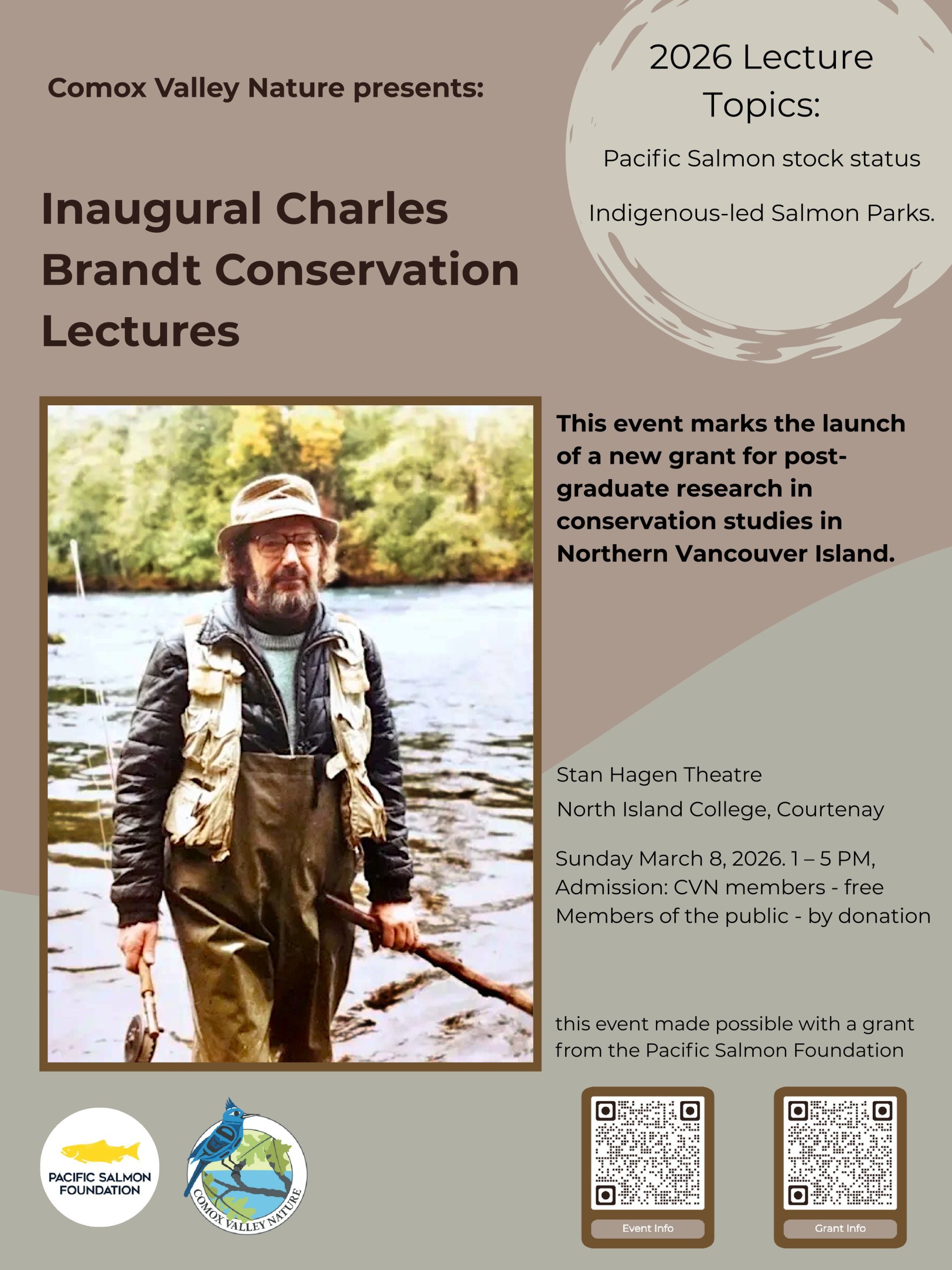
CVN is hosting an important and exciting event on March 8 (1:30 to 4:30) at the Stan Hagen Theatre entitled the Inaugural Charles Brandt Conservation Lectures. CVN members can attend free of charge!
We are looking for some volunteers to help with specific duties at the event (see details here). If you can help out, please write to and indicate what task you would like to help with. Thank you for considering this.
Comox Valley Nature hosted the following presentation at our January 2026 general meeting:
Title: Tsolum River Watershed – River Resilience in the 21st Century Speaker: Laura O’Brien (Tsolum River Restoration Society) Date: Sunday, January 25, 2026
If you missed this event or would like to see it again, a recording is available here (MP4, duration 1:02, 309 MB if downloaded).
For more information about this talk, see the announcement in our earlier post.
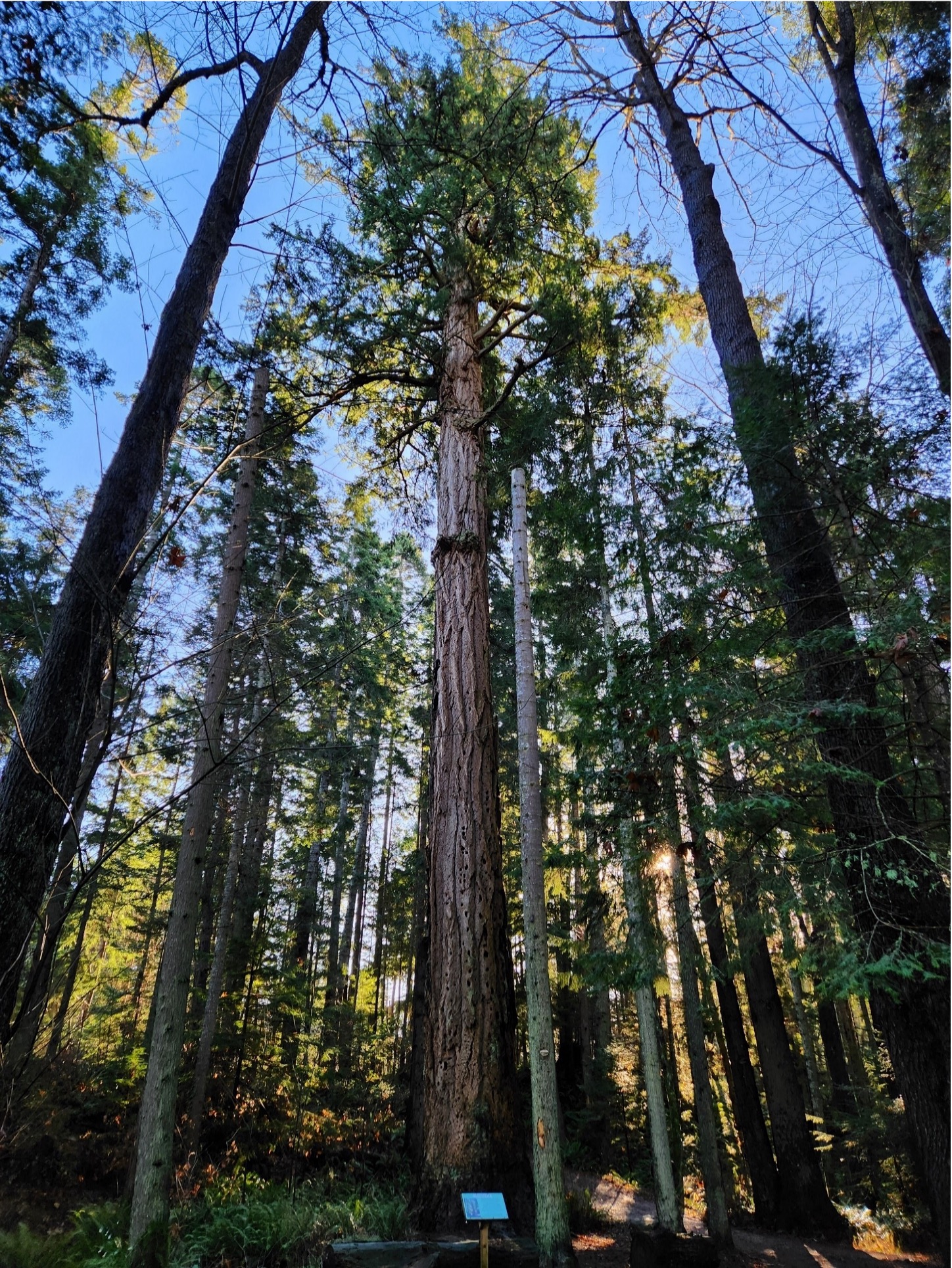
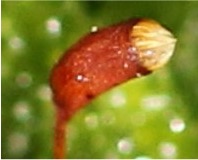
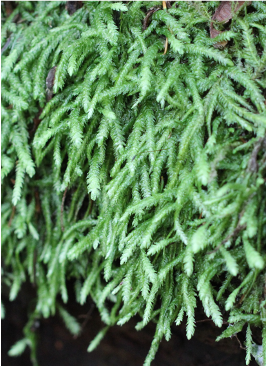
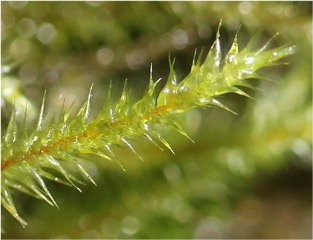
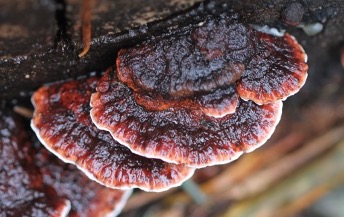
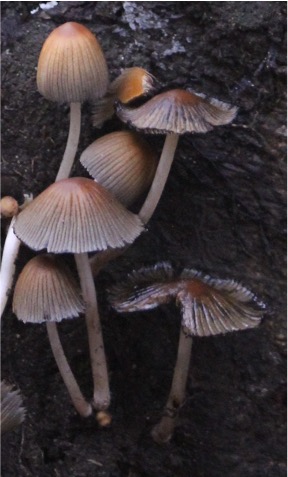
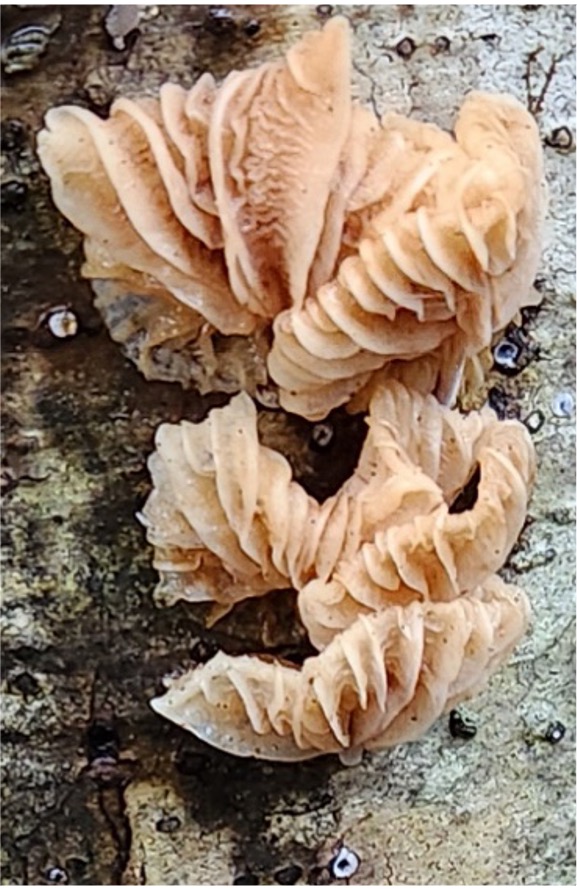
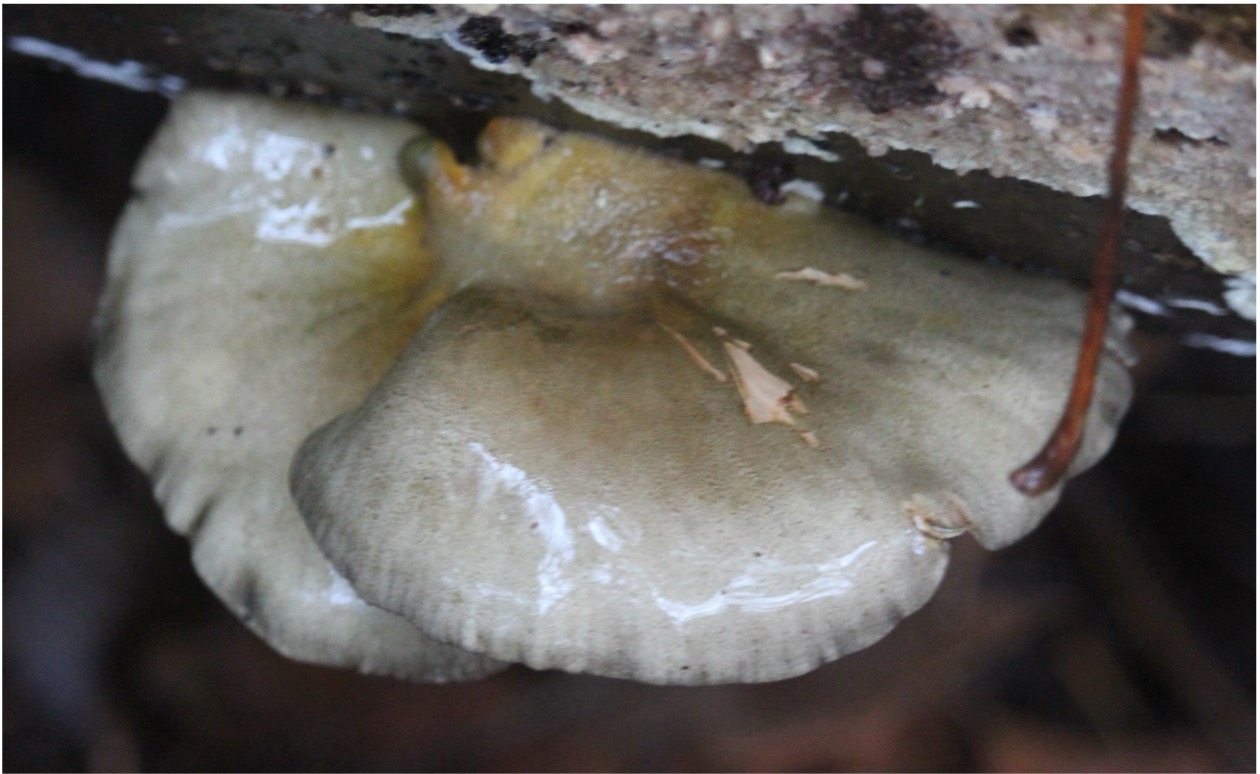
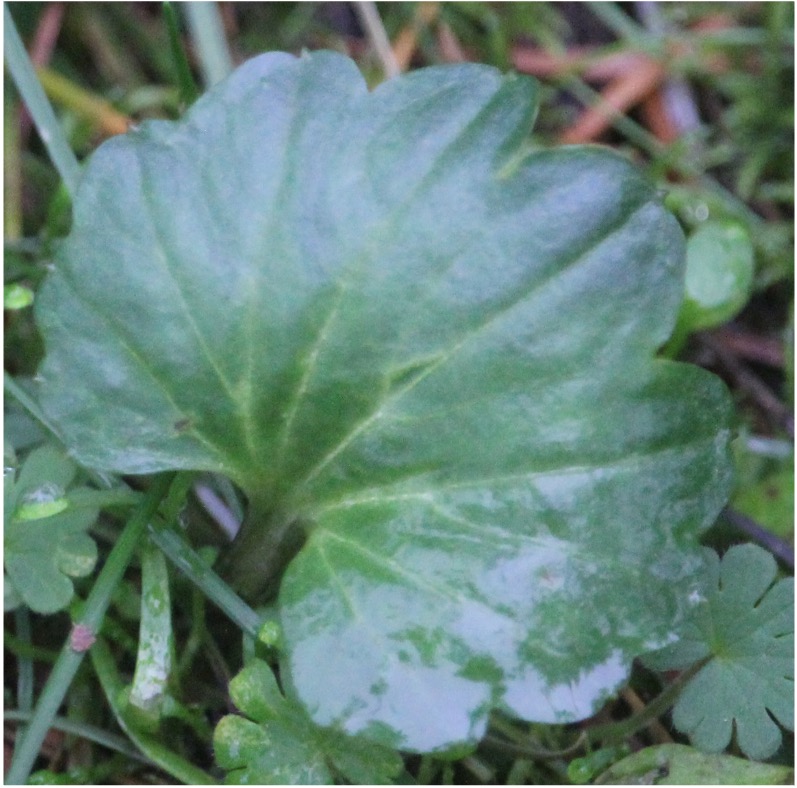
On December 2, the Botany Group met at Kitty Coleman Provincial Park to explore both a typical Douglas-fir forest and the estuary at this coastal location. The focus was on the lush mosses and on signs of both winter setting in (but with no snow yet) and optimistic preparations for spring. The group also looked at ways to identify trees without their leaves and at a few fungi, lichens, and slime molds. The trip was repeated on December 6.
You can download co-leader Véronique’s photographic guide to many of the species seen on this trip here (PDF, 12.9 MB).
Here’s a selection of photos from the guide [click a photo to see the whole image]:
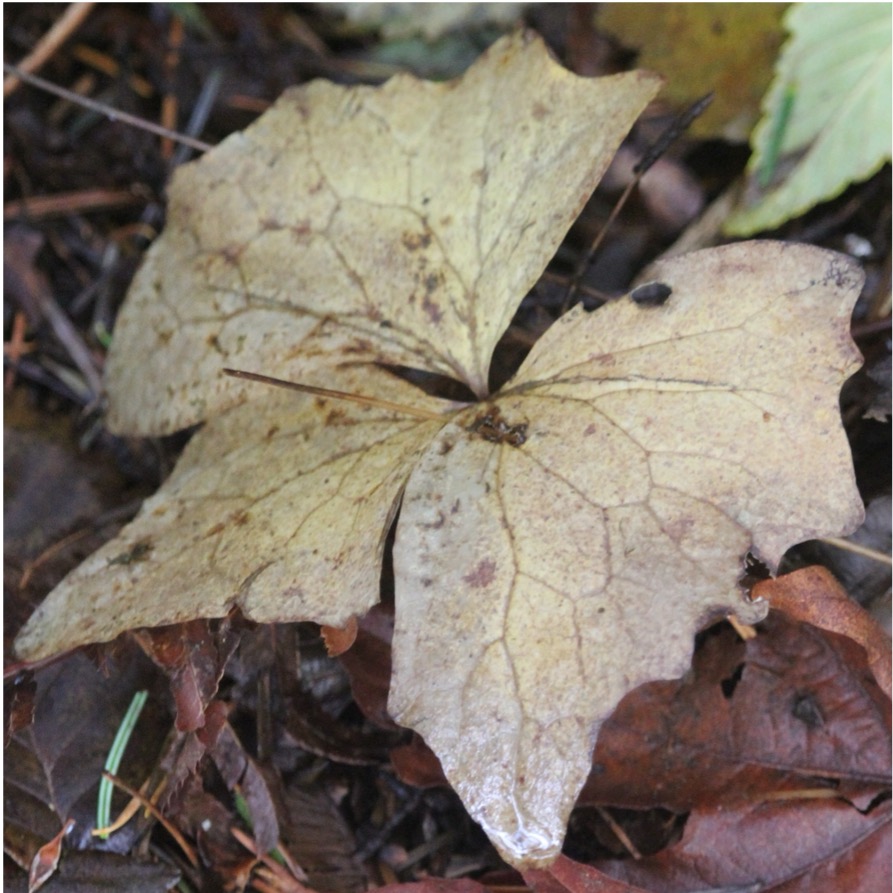
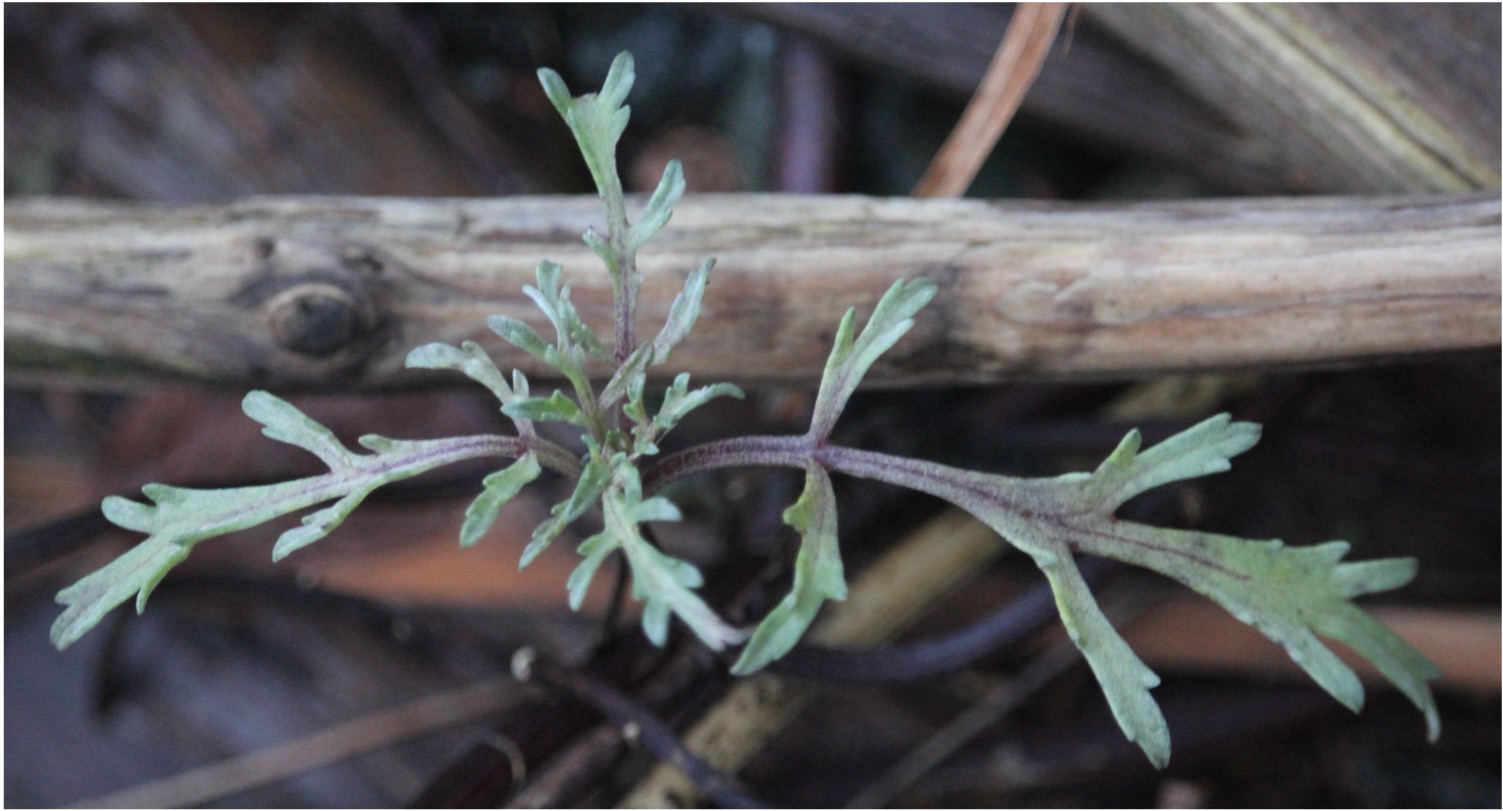
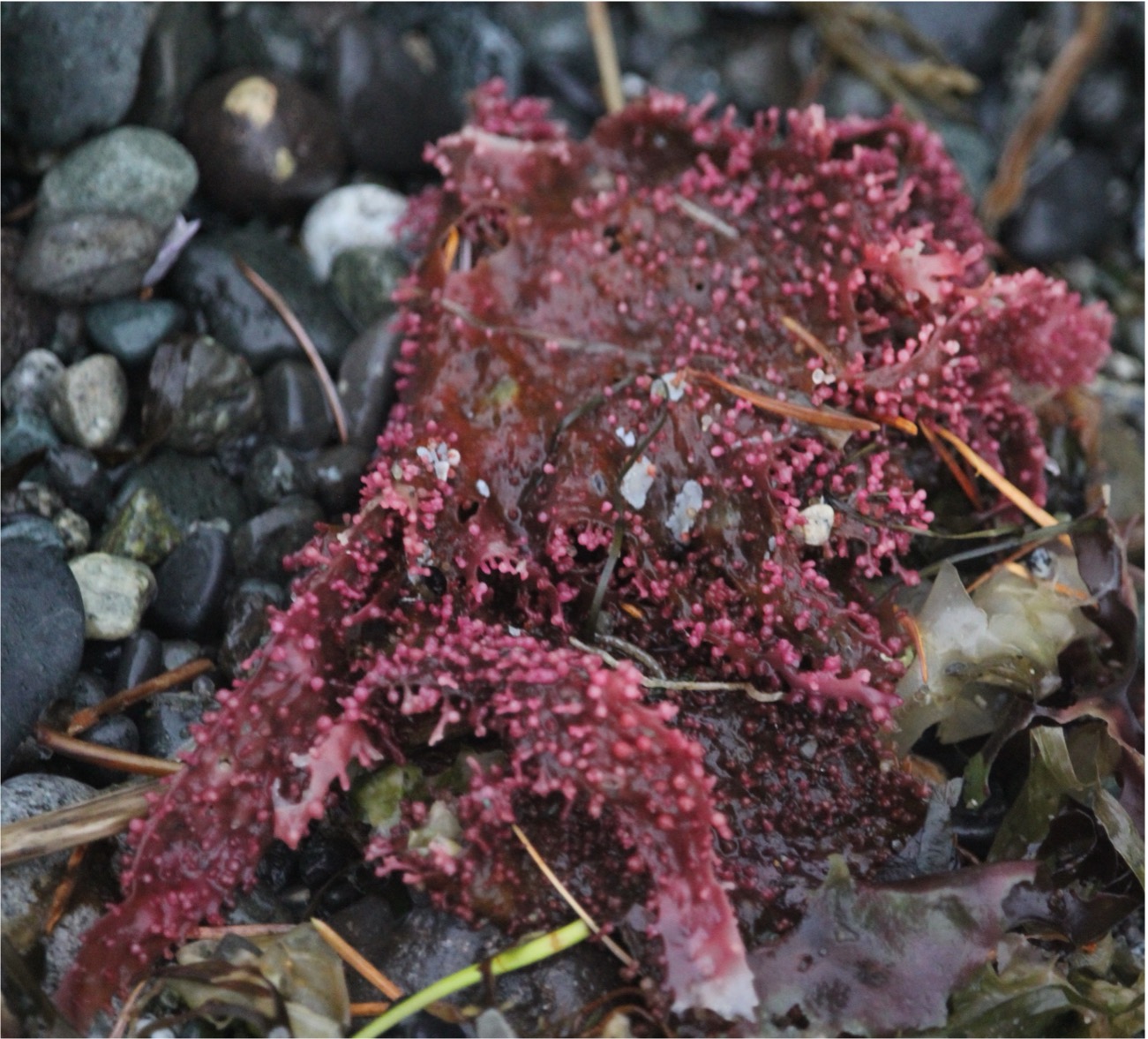
Broken-leaf mossBroom mossSporangium of coiled-leaf claw-mossFlat mossLanky mossRosy conkGloeomucro sp. (fungus)Mica capUpright coral (fungus)White marasmius (fungus)Winter oyster (fungus)Hyphenated ribbon (lichen)Badhamia utricularis (slime mold) on a branchSpiny wood fernSlender toothwortVanilla-leafSilver burweedTurkish towel (a red alga)
Title: Mining and the Environment in Northern Ontario Speaker: Dr. Constance O’Connor (Wildlife Conservation Society) Date: Wednesday, January 28, 2026 Time: 10:00 a.m. PT
See the registration link below.
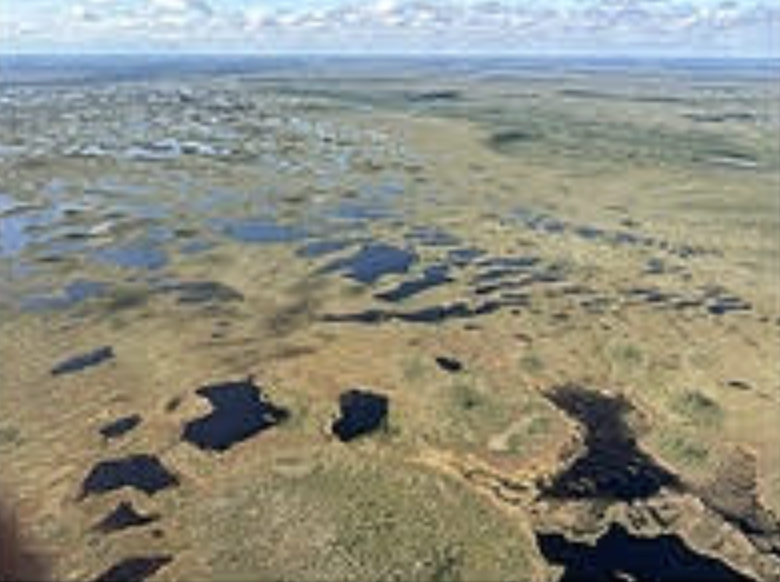
Peatlands of Hudson Bay Lowland (Photo: Connie O’Connor)
The boreal forests and peatlands of northern Ontario represent one of the world’s largest remaining intact forests and the third-largest wetland in the world. This area is the homeland for Anishnaabeg and Ininiwak, is an important refuge for northern wildlife, and a globally important carbon store. This area has seen little of the industrial resource development and urban settlement that has transformed areas to the south,
However, there is growing interest in resource development in this region, particularly for mining. These developments would also require associated roads, transmission lines, and other infrastructure. This presentation will provide an overview of the current context of mining in northern Ontario, including a discussion of limitations and concerns with the regulatory and planning frameworks for mining in Ontario relative to the environment and Indigenous rights; and current status and issues with proposed projects, including within the Ring of Fire area.
Nature Trust of British Columbia is calling for volunteers to help plant trees at the Lazo Marsh Wildlife Management Area (WMA) on Monday, January 19.
The West Coast Conservation Land Management Program of Nature Trust BC manages this important conservation area in Comox. Their plan this month is to plant 330 native trees and shrubs in the area. This work is the continuation of a large scale restoration project that began in 2025 and treated over 1.5 hectares of Himalayan blackberry and Scotch broom. The selected area for planting native species is roughly 0.5 hectares.
The Nature Trust BC leader of this work party is Geoff Stathers. Please email Geoff at to let him know you are coming and for answers to any questions you may have. Geoff estimates that with enough volunteers the job can be done in one day.
Geoff has provided the following details.
What to expect
Start time: 11:00 a.m. on Monday January 19.
Where: I will meet everyone at the entrance to the WMA off Torrence Rd between Highland Secondary and the public works yard. The planting site is roughly a 500 metre walk from the parking lot to the restoration area.
Prior to any work, a safety meeting is required and volunteer waiver must be signed, both provided by NTBC.
All trees and shrubs will be staged by Nature Trust (NTBC) staff before volunteers arrive.
Extra shovels and gloves will be provided by NTBC.
A demonstration will also be provided on planting.
Only expectation is to have a great time meeting some new people and restoring the Lazo Wildlife Management Area!
What to bring
Planting shovels, pickaxes, and any tools that could be helpful. The ground here can be quite dense.
Weather conditions look favourable at the moment for Monday but I suggest wearing layers and bring appropriate raingear regardless.
Proper footwear for the walk to and from the restoration area and for protection while planting.
Other details
Pot sizes for native species: (1-gal, 2-gal, 5-gal, 7-gal).
A pre-measured volume of time-release fertilizer will be added to each plant– a demonstration will be provided in the field.
Comox Valley Nature invites its members and the public to CVN’s January general meeting. where you can hear the following keynote presentation by our guest speaker:
Title: Tsolum River Watershed – River Resilience in the 21st Century Speaker: Laura O’Brien (Tsolum River Restoration Society) Date: Sunday, January 25, 2026 Time: 3:00 p.m. PT Location: Main hall of Comox United Church, 250 Beach Drive, Comox
The 2025 pink salmon migration, where they were stopped by a man made/beaver enhanced dam on Sep 28, 2025.
Laura’s presentation will incude:
A little history – minesite reclamation, society.
Current issues:
Worsening summer drought conditions and winter flood events exacerbated by climate change,
Riparian issues – large second growth falling into the river now; the need for replanting to assist with lowering temperature for trout and coho salmon in summer season.
Invasive species – American bullfrogs and pumpkinseed fish.
Hope for the future:
Historic returns of pinks every odd year since 2011.
Engaging youth and community.
New RIBIT regional bullfrog initiative.
CV Conservation partnership.
About the speaker
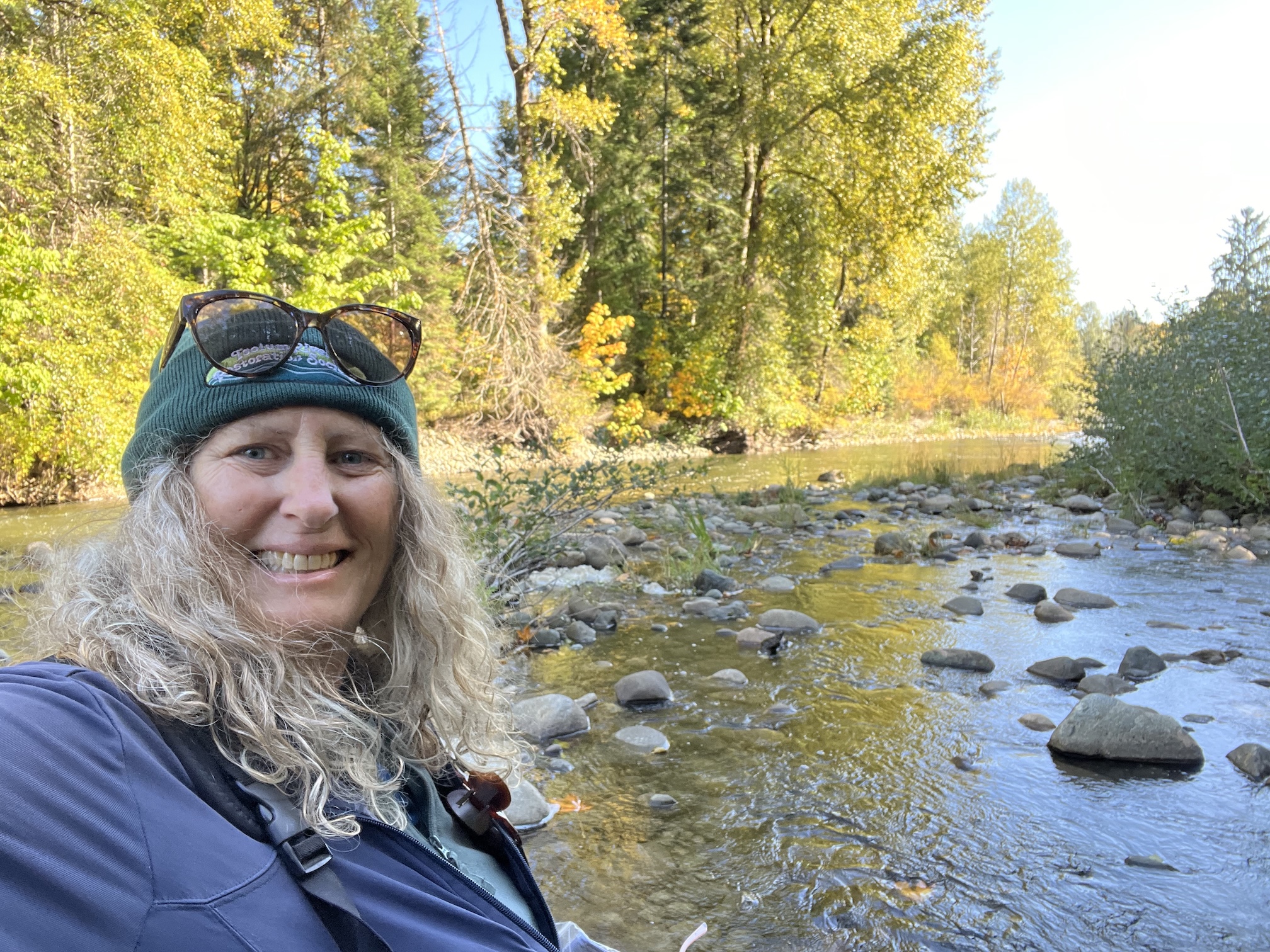
Laura during the pink salmon count on the Tsolum, Sep 30, 2023. (Photo: Laura O’Brien)
Laura O’Brien was born and raised in Vancouver, BC, loves water, writing and the natural world. She has lived in the Comox Valley since 1994 and on the Tsolum River for almost 25 years. She is a legal assistant by trade and has been a volunteer director of the Tsolum River Restoration Society (TRRS) since 2001. She wrote a series of informative historical pieces about the Tsolum River and created a series about “Tsolum Sid” a fictional Western toad who lives in the watershed, both of which were published regularly in the now defunct Rural Shopper magazine. She wrote these pieces to raise public awareness about the River and the long-term pollution caused by acid mine drainage, and to encourage river stewardship.
Laura is a leader on the TRRS Outreach Committee which participates in many public events to celebrate the River and watershed, develop community connections, share information and raise awareness. The Committee is also actively involved in bringing watershed education to local schools. Sharing her love of the Tsolum with others and encouraging them to be active stewards of our unique watersheds and our beautiful Valley are among her favourite pursuits.
More about the meeting
This will be a hybrid meeting (in-person and videoconference). We encourage members and the public to attend the in-person meeting. Members (only) who cannot attend can participate via videoconference. The link to join the Zoom meeting will be sent to members by email before the meeting.
After the keynote presentation there will be a break with coffee/tea, goodies and socializing, followed by the business part of the meeting. This consists mainly of brief reports from our interest groups and projects, an opportunity for guests to learn more about what we do.
At the end of another impactful year of restoration work at the Courtenay Airpark, long-time project leader Frank Hovenden has provided his illustrated annual report which you can read and download here (PDF, 5.1 MB).
As usual, the dedicated project volunteers diligently attacked invasive species and planted appropriate native species, all while attending to previous plantings. Invasive rabbits continue to be an issue in the park, which explains the fencing you may see there protecting the plantings.
Frank installing one of the new signs.
An extra task this year was replacing the aging signs that identify and describe the native species that are gradually increasing in the park. The new signs include the new logos of both Comox Valley Nature and the City of Courtenay. CVN has worked closely with City staff over the years to accomplish the goals of this project.
You can also find this report and previous ones on this page.
Comox Valley Nature hosted the following presentation at our November 2025 general meeting:
Title: Sea Star Wasting DiseaseMonitoring on the BC Coast Speakers: Carolyn Prentice and Ondine Pontier (Hakai Institute) Date: Sunday, November 23, 2025
If you missed this event or would like to see it again, a recording is available here (MP4, 137 MB if downloaded).
For more information about this talk, see the announcement in our earlier post.
Ochre stars (Photo: Kelly Fretwell)Sunflower star and diver (Photo: Grant Callegari)
On October 14, the Botany Group explored part of the very pleasant Mama Bear Trail in Cumberland Community Forest. The focus of the trip was on the lush ferns and mosses, as well as the early fungi that the recent rains had brought out.
You can download co-leader Véronique’s photographic guide to many of the species seen on this trip here (PDF, 12 MB).
Here’s a selection of photos from the guide [click a photo to see the whole image]:
Report by Yvette Crane, co-leader of the Shoreline Group.
The Shoreline and Marine Group of CVN enjoyed several wonderful field trips this season. Here is a highlight from our trip to Quinsam River Hatchery and hike along the Quinsam nature trail on September 9.
We were able to view black bears catching salmon at both the hatchery fence and downstream.
This bear studied our group carefully before venturing into the river to get her salmon. Our guide, Kyle Fitzpatrick from Greenways Land Trust, explained that when fish are this plentiful, the bears will selectively eat the most nutritious parts of the salmon—the brains and internal organs.
Thanks to Kathleen Wilkinson for these photos from one of our most memorable Shoreline & Marine moments in 2025.
🌿 One week left to share your feedback on the Anderton riverbank.We've heard from many residents already, and there's still time to add your voice.Review three conceptual design options for restoring the riverbank along Anderton Avenue and tell us what you think.📅 Survey closes August 10.👉 Take the survey: courtenay.ca/anderton-restorationThe conceptual design phase of the project is funded by the Ministry of Emergency Management and Climate Readiness through the Disaster Resilience Innovation Funding program. ... See MoreSee Less
If you've been enjoying snapping photos and uploading them to iNaturalist, you won't want to miss this webinar on getting the most out of Smartphone Photography for iNaturalist: ... See MoreSee Less
There are 100's of toadlets migrating across the trail systems in Cumberland Forest. Please note the trail closures, and share this post.Major trail closures. Please do not use the west side of the network, see the map. Tens of thousands of toads are dispersing in all directions west and south of Alan Lake. SoBo No Michi is closed Sykes Bridge area is teaming, Perseverance Creek is also extremely busy. The south side of Alan Lake is also covered with toads. We have closed all access via Davis lake main to Perseverance Creek, the Potholes, Sobo No Michi etc. All trails that come down the west side back to Perseverance area are closed. Please do not go into that zone for the next few days. Hopefully we will be clear to roll by the weekend.Please respect all signage at the trail access points and in the CRI car park, informing you of up-to-date information of trail closures and the migration routes.Please share and reshare. Cumberland Forest Village of Cumberland ... See MoreSee Less