Later fall fungi in the Comox Valley

Notes and photos from Alison M., distributed to the Botany/Mycology Group on November 18. Click a photo to enlarge it.

Until a couple of days ago I had given up on there being anything of interest in our woodlands here on Tsolum River Road. The drought conditions that have persisted now for three summers are taking their toll. Fungi appear to be resilient to a degree, but there is clearly a limit. We have not seen chanterelles here for a couple of years now, but just today I finally found a couple. We were also delighted to find a western cauliflower fungus –  an excellent edible. However, good specimens are few.

The photos start with some of the more intriguing fungi to be seen at this time of year.

  1. and 2. Auriscalpium vulgare or ear-pick, which falls into the tooth or spine category morphologically. It appears only on Douglas-fir cones. Being tiny and with a cap colour that mimics the colour of the cone (as well as the surrounding dark browns) it tends to be hard to detect, but this fall we have found quite a few. (I placed the cone on a cottonwood leaf for contrast.)
(1) Auriscalpium vulgare
(2) Auriscalpium vulgare
  1. and 4. Pseudohydnum gelatinosum or cat’s tongue or spirit gummy bear, which with its tiny spines falls into the same category as the Auriscalpium, but note that in texture it is gelatinous. 
(3) Pseudohydnum gelatinosum
(4) Pseudohydnum gelatinosum
  1. Xylaria hypoxylon or carbon antlers is a club or spindle type of fungus, growing amid moss on dead stumps. In the photo the black stipe shows white asexual spores, the sexually viable spores are on the black section. 
(5) Xylaria hypoxylon
  1. and 7. and 8. Sparassis radicata or western cauliflower fungus,  an uncommon species, which usually appears at the base of old fir stumps, in this case what would have been a first-growth tree removed when the area was logged in the 1920s. The fungus last produced a fruiting body on the stump 5 or 6 years ago. It is usually classed with the coral-type fungi and is a choice edible, though it requires a longer cooking time than some fungi. 
(6) Sparassis radicata
(7) Douglas-fir stump
(8) Sparassis radicata in the kitchen
  1. Xercomellus zelleri ( formerly Boletus zelleri) or Zeller’s bolete – one of the later bolete types to appear, with a very distinctive dark cap above the yellow sponge and red/white stipe.
(9) Xercomellus zelleri

The rest are gilled fungi.

  1. Lactarius substriatus (formerly Lactarius subflammeus) – no common name –  is abundant in our woodland in the later fall and stands out against the green of the various mosses on the ground.  It  is smaller than most species of Lactarius, has white latex that is unchanging and is bitter to taste, therefore not edible.
(10) Lactarius substriatus
  1. Hygrocybe coccinea or red waxy cap is also striking on a grey November day, far brighter than any of the fallen leaves.
(11) Hygrocybe coccinea
  1. Russula brevipes or short-stemmed russula. This common russula is only now beginning to push through the duff in profusion though none of the examples I have seen have reached the size of dinner plates, as in some years. (This is the species that becomes the “lobster mushroom” when parasitized by Hypomyces lactiflorum.)
(12) Russula brevipes
  1. Pseudosperma sororium (formerly Inocybe sororia) or corn-silk fibrehead.  The Inocybe genus is recognizable by the conical shape and the radiating fibrils that split apart as the mushroom ages.  Quite a few of the species have been assigned to new genera, including Inosperma, and this common one is now Pseudosperma. This example is one of those that can smell like green corn when young. 
(13) Pseudosperma sororium
  1. Mycena haematopus or bleeding mycena. There are hundreds of tiny mycenas decorating the forest floor at the moment with their diminutive conical caps, but many of them are very hard to identify. This one however is easy – break the stipe and it oozes red droplets – hence the name.
(14) Mycena haematopus
Posted in Plants and fungi | Comments Off on Later fall fungi in the Comox Valley

Mushrooms at Paradise Meadows in October

From an email by Jocie to the Botany/Mycology Group on November 16. Click a photo to enlarge it.

One of the highlights from our fungi trip to Paradise Meadows on October 20 was the handsome Admirable bolete (Aureoboletus mirabilis). The red, velvety gills of Cortinarius smithii were also spectacular! 

You can download the full list of species seen. If you notice any errors or names that aren’t up to date let me know.


Here are a few photos from the trip.

    Cortinarius smithii (1)
    Cortinarius smithii (2)
    Admirable bolete button
    Admirable bolete
    Cortinarius sp.
    Posted in Field Trips, Plants and fungi | Comments Off on Mushrooms at Paradise Meadows in October

    New article: A dwarf mistletoe’s story

    If you’ve ever wondered about the dwarf mistletoe that you can see parasitizing coniferous trees in our forests, you can find out all about it in the latest addition to our occasional series of long-form articles, as Véronique McIntyre listens in on a conversation between a mistletoe and its host, a fallen hemlock branch: A Dwarf Mistletoe’s Story.

    Learn about the adaptations that let this flowering plant succeed as a parasite. And you might be surprised to realize that, beyond its deleterious effects on the host, it has a potential ecological benefit.

    You can always find this and other long-form articles via the Articles category in the sidebar.

    Posted in Articles, Ecology, Evolution, Plants and fungi | Comments Off on New article: A dwarf mistletoe’s story

    Learn about climate adaptation at the local scale

    Comox Valley Nature members and the general public are invited to the following free online lecture facilitated by the Canadian Society of Environmental Biologists:

    Title: Beyond Climate Change: the nuts and bolts of adaptation at the local scale
    Speaker: Dr. Ruth Waldick
    Date: Sunday, December 10, 2023
    Time: 7:00 p.m. PT

    See the registration link below.

    Climate change has become the primary explanation for ongoing environmental disasters. But is this the whole story? Dr. Waldick asks the questions “what creates vulnerability to climate change?” and “what can be done locally to reduce vulnerability?” from a model watershed on a Gulf Island in coastal BC that is a microcosm of the larger challenge of adaptation.

    About the speaker

    Ruth Waldick, Ph.D., is an ecologist and population biologist who has worked at several universities and with the Government of Canada. She sits as a Director with Transition Salt Spring and the Institute for Multidisciplinary Ecological Research in the Salish Sea. She is a fan of collaboration, which has created the CARL experimental watershed study area on Salt Spring Island.


    Registration

    “Seating capacity” for the talk is limited, and you need to register in advance. You can check the computer requirements for attendees here.

    Register here

    After registering, you will receive a confirmation email with instructions for joining the webinar.

    Posted in Climate, Conservation and Restoration, Guest Speakers | Comments Off on Learn about climate adaptation at the local scale

    Merville Woods fungi

    From an email by Jocie to the Botany/Mycology Group on October 18. Click a photo to enlarge it.

    We had a great time looking at a bonanza of fungi at Merville Woods on October 12! I got a bit carried away trying to figure out so many fungi, not to mention sorting the huge number of photos my daughter took! 

    Special thanks to Véronique and Clara for the photos. You can view a small selection of the photos below, and download a PDF file containing them all as a slide presentation.

    Download a list of all of the fungi that we saw on the walk. The photos correspond roughly to the list, but note that not every observed species has a photo. Special thanks to Alison for checking over the list. 

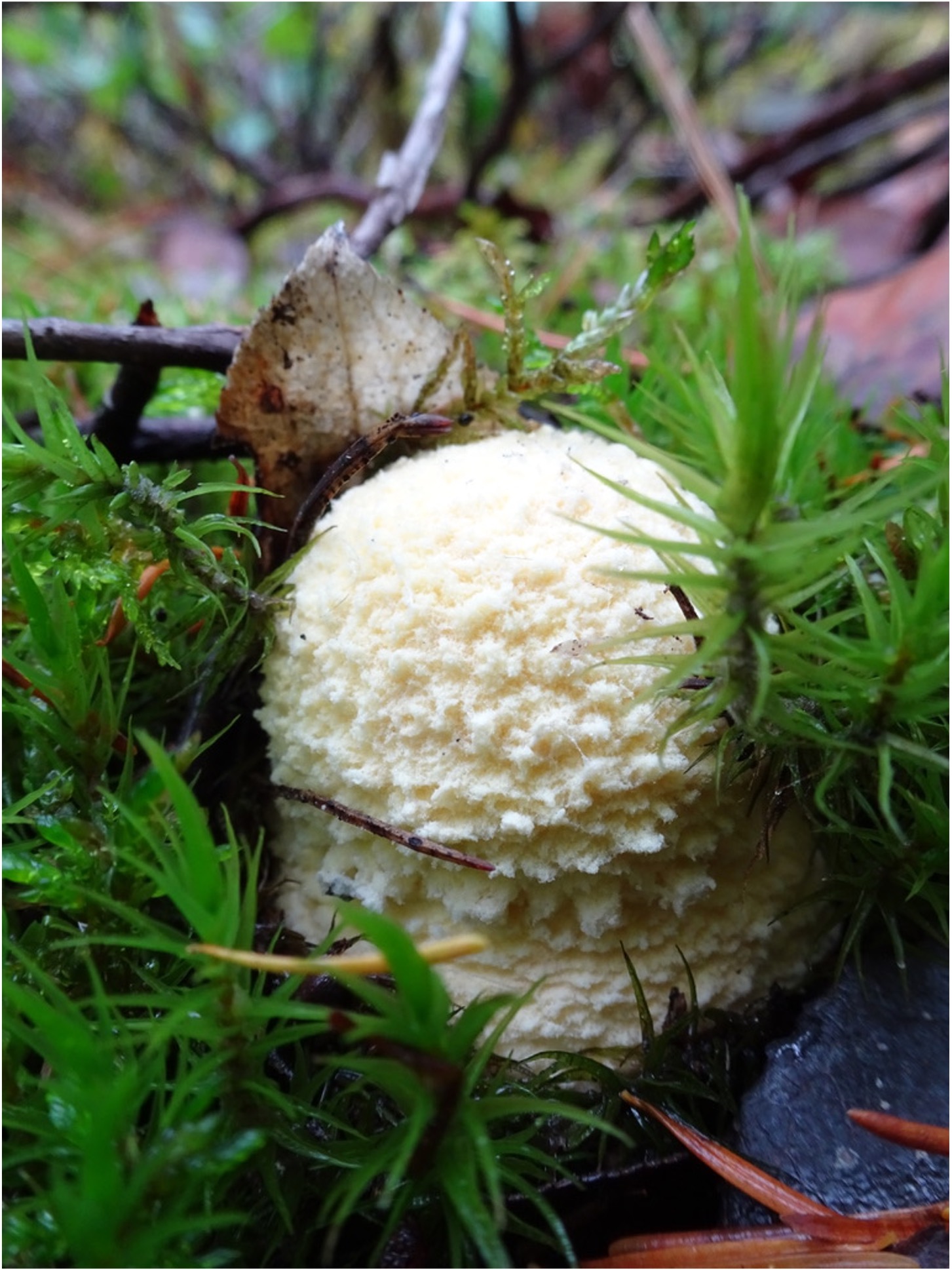
    Amanita muscaria (button form)
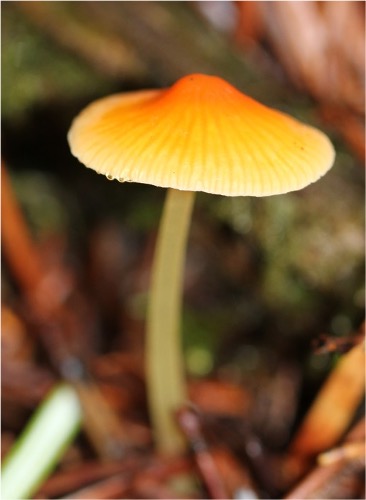
    Orange-yellow bonnet (Atheniella aurantiidisca)
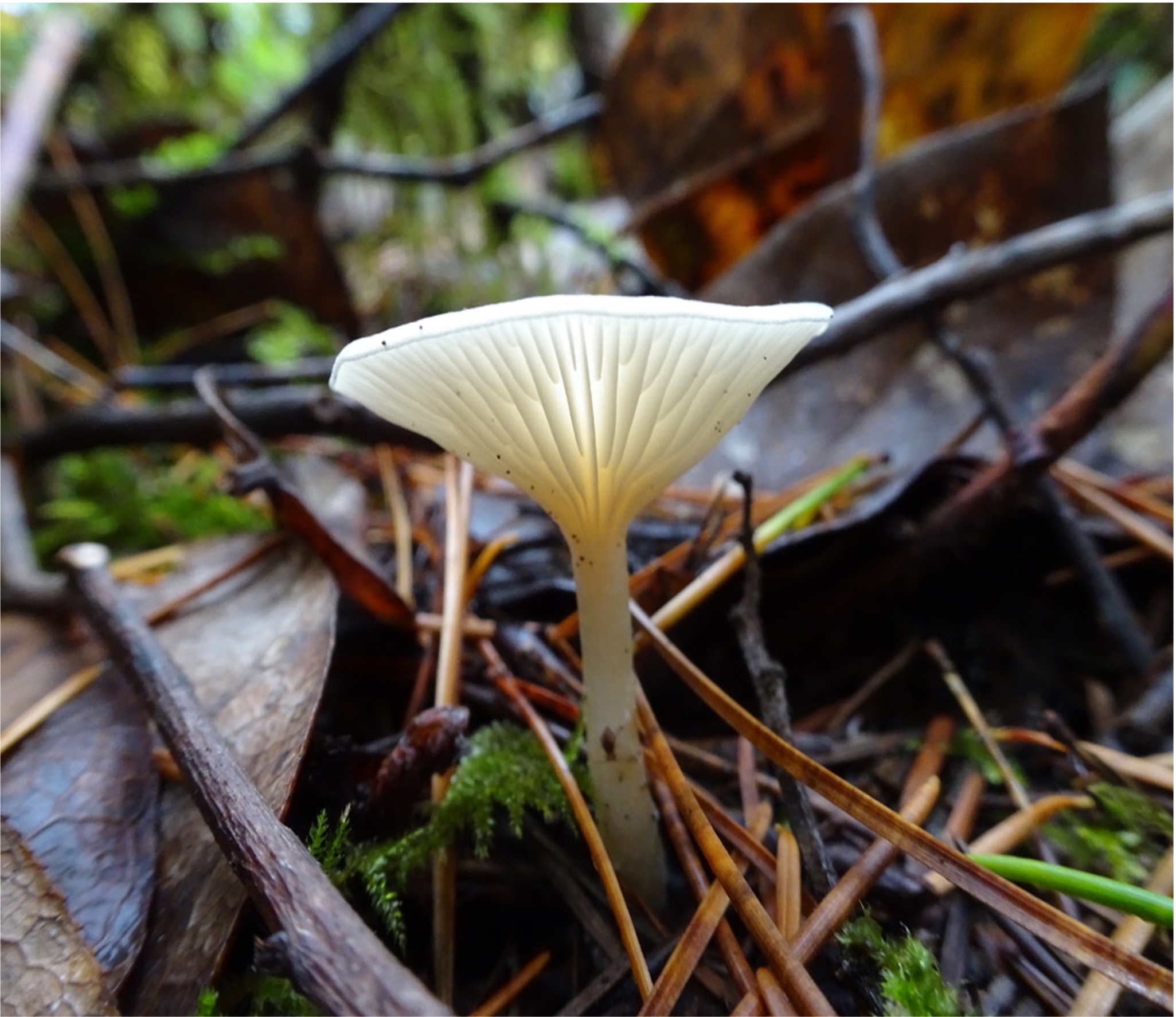
    Clitocybe sp.
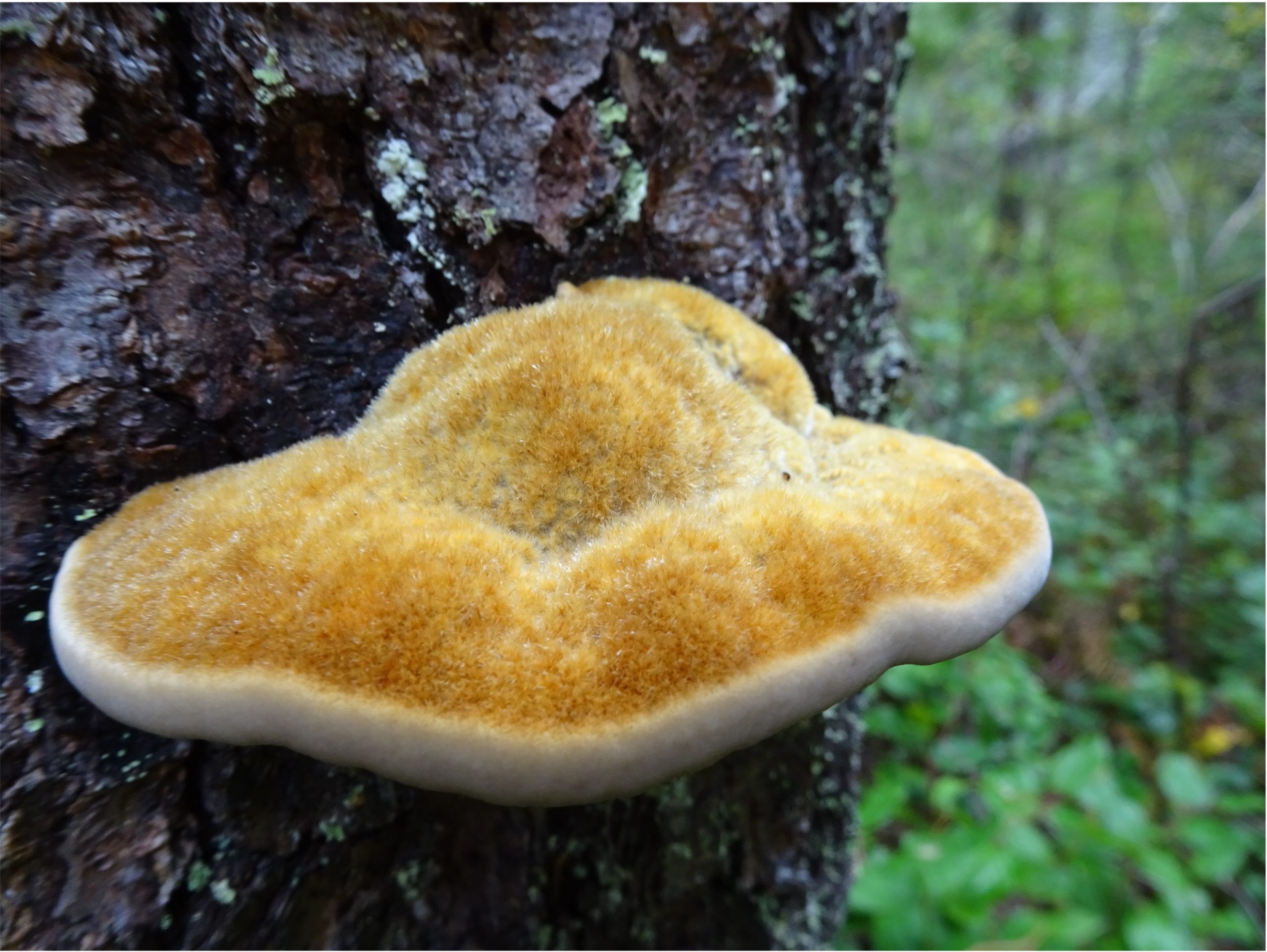
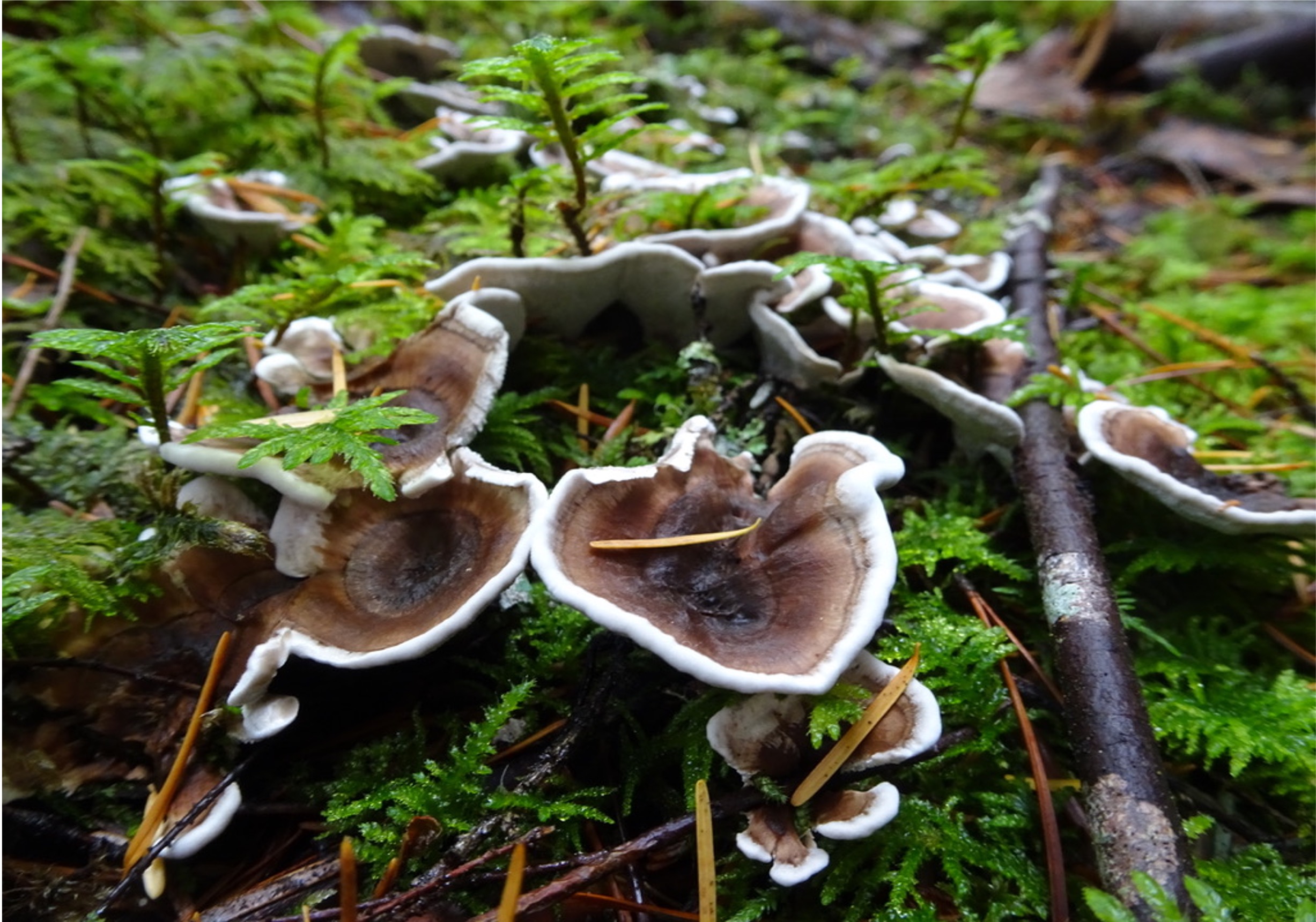
    Woolly velvet polypore (Onnia tomentosa)
    Owl eyes (Phellodon tomentosus)
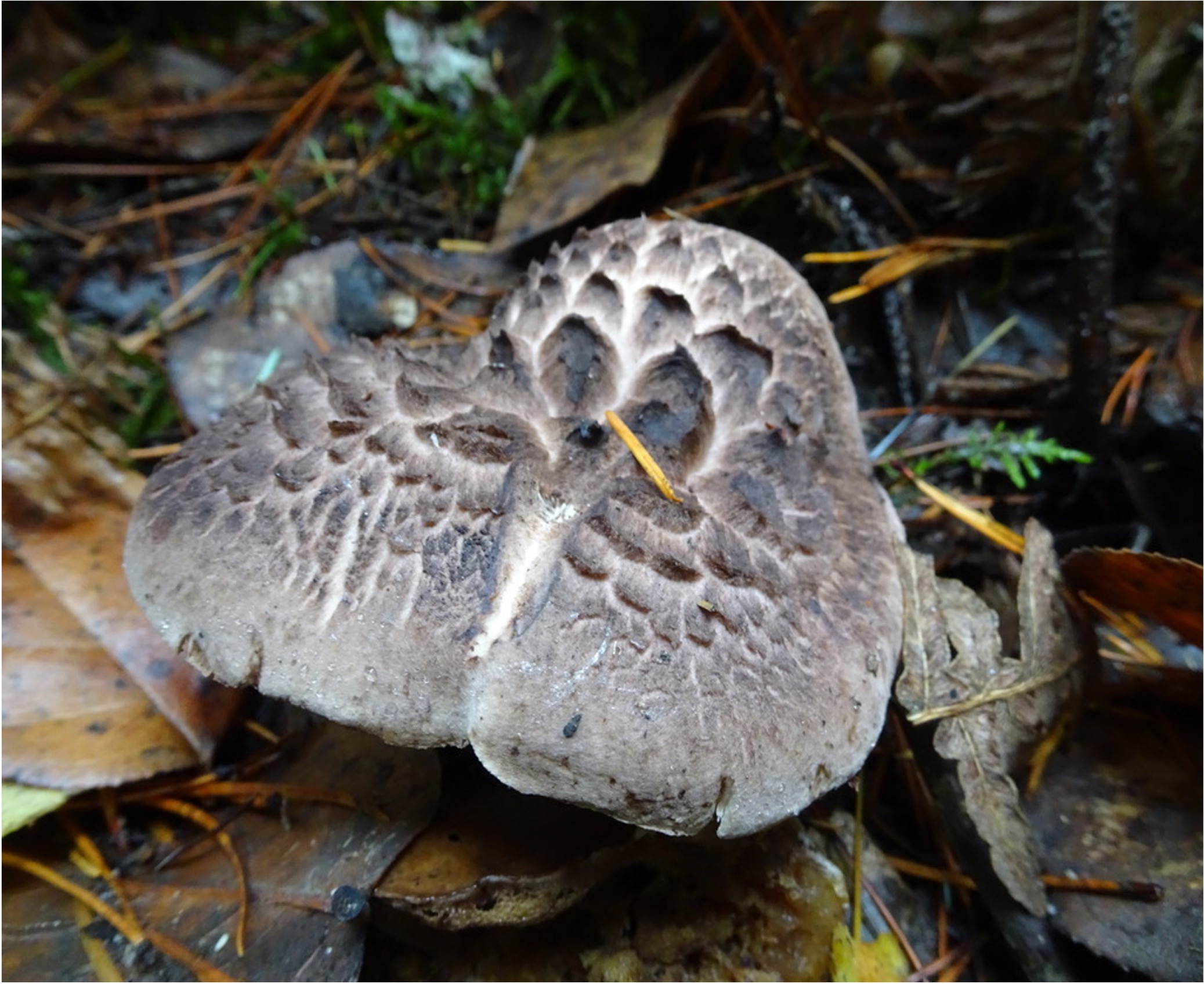
    Scaly tooth (Sarcodon squamosus)
    Posted in Field Trips, Plants and fungi | Comments Off on Merville Woods fungi

    Recording for talk on 21st century forest solutions

    Comox Valley Nature members and others recently attended the following webinar presented by the Canadian Society of Environmental Biologists:

    Title: 21st-Century Forest Solutions: How Can We Slow Down or Stop: Heat Domes, Droughts, Forest Fires, & Flooding?
    Speaker: Erik Piikkila
    Date: Sunday, Cotober 15, 2023

    If you missed this event or would like to see it again, CSEB has made the recording available here. To access it you will need to provide your name and email address.

    For more information about this talk, see the announcement in our earlier post.

    Posted in Climate, Conservation and Restoration, Ecology, Guest Speakers | Comments Off on Recording for talk on 21st century forest solutions

    Hairtrigger Lake moments

    From an email by Jocie to the Botany/Mycology Group on October 9. Click a photo to enlarge it.

    Here are a few photos from a recent hike I did to one of my favourite spots: Hairtrigger Lake. Hairtrigger has lovely views and reflections, and the presence of large sandstone rocks is intriguing. The subalpine colours are spectacular this year! Here are a few highlights from the day.

    1. Frosted clumps of tufted clubrush (Trichophorum caespitosum)
    1. Pond view with scarlet leaves of blueberry
    1. Colours: mix of white rhodo (whorled leaves) and blueberry species
    1. More colours!
    1. Hairtrigger Lake and Mt. Albert Edward view
    1. View from the end of the lake
    1. Large sandstone rock along the lake edge
    1. A brown sphagnum moss in the shallows (not sure of the species)
    1. A craggy looking fungus: Turbinellus kauffmanii
    1. Cladonia lichen, maybe the “toy soldiers” (Cladonia bellidiflora)
    1. Sitka mountain ash (Sorbus sitchensis) in Paradise Meadows
    Posted in Plants and fungi | Comments Off on Hairtrigger Lake moments

    Learn about BC Nature’s work on Key Biodiversity Areas

    Comox Valley Nature invites its members and the general public to the following free online lecture, facilitated by the Canadian Society of Environmental Biologists:

    Title: Key Biodiversity Areas and Protected Areas: B.C. Nature Projects in 2023
    Speakers: Liam Ragan and Kephra Beckett (BC Nature)
    Date: Sunday, November 19, 2023
    Time: 7:00 p.m. PT

    See the registration link below.

    Western Grebe in the K’ómoks IBA

    BC Nature is the provincial lead for the Municipal Protected Areas Project and Key Biodiversity Areas. Join us as we discuss ongoing work to understand and protect biodiversity throughout BC. We will have a focus on the Comox area, the way in which we work to collaborate with First Nations at every stage of the process, and how clubs can play a pivotal role in conservation success.

    About the speakers


    Liam Ragan is BC Nature’s Provincial Coordinator for Key Biodiversity Areas and Important Bird and Biodiversity Areas.


    Kephra Beckett is BC Nature’s Conservation Coordinator.


    Registration

    “Seating capacity” for the talk is limited, and you need to register in advance. You can check the computer requirements for attendees here.

    Register here

    After registering, you will receive a confirmation email with instructions for joining the webinar.

    If you are new to Comox Valley Nature, find out more about us here.

    Although CVN lectures are free, donations of any size from non-members who attend are always appreciated ($4.00 is suggested).

    Posted in BC Nature, Conservation and Restoration, Guest Speakers | Comments Off on Learn about BC Nature’s work on Key Biodiversity Areas

    Learn about 21st century forest solutions

    Comox Valley Nature members and the general public are invited to the following free online lecture presented by the Canadian Society of Environmental Biologists:

    Title: 21st-Century Forest Solutions: How Can We Slow Down or Stop: Heat Domes, Droughts, Forest Fires, & Flooding?
    Speaker: Erik Piikkila
    Date: Sunday, October 15, 2023
    Time: 7:00 p.m. PT

    See the registration link below.

    We’re not “seeing the forest for the trees.” We don’t seem to be able to see the cause and effect or cumulative effects of forestry and forest policies. But we see their impacts and results:  droughts, wildfires, floods, heat domes, species losses.  With an ecosystem-first focus, repurposed forestry systems and techniques can be used to restore ecosystem functioning, health, and resiliency.

    About the speaker

    Over 30 years, Erik Piikkila has worked or been trained (many of the ‘ologies) in forests in BC, Washington, Oregon, California, and Finland. He has performed nearly every woods job by measuring/counting trees, laying out cutblocks/roads, and logging. He has also monitored forest companies’ harvesting and silviculture operations, permits, and data. Recently, he has been involved with forest/watershed ENGOs, and providing natural history and forest ecology walks to students, citizens, scientists, foresters, and government officials. Now he is working with First Nations to thin forests with multiple ecological objectives and benefits.

    Registration

    “Seating capacity” for the talk is limited, and you need to register in advance. You can check the computer requirements for attendees here.

    Register here

    After registering, you will receive a confirmation email with instructions for joining the webinar.

    Posted in Climate, Conservation and Restoration, Ecology, Guest Speakers | Comments Off on Learn about 21st century forest solutions

    Recording for talk on transforming tree farms into forests

    Creating an artificial nurse log

    Comox Valley Nature members and others recently attended the following webinar presented by the Canadian Society of Environmental Biologists:

    Title: On Transforming Tree-Farms into Forests
    Speaker: Tal Engel
    Date: Sunday, September 24, 2023

    If you missed this event or would like to see it again, CSEB has made the recording available here. To access it you will need to provide your name and email address.

    For more information about this talk, see the announcement in our earlier post.

    Posted in Ecology, Guest Speakers | Comments Off on Recording for talk on transforming tree farms into forests