Strathcona Wilderness Institute events

This summer the Strathcona Wilderness Institute (SWI) is planning workshops and hikes that will be of interest to CVN members and others.

The first workshop is an Introduction to iNaturalist by Loys Maingon on June 25 (pre-registration required).

For details of this event and others to come, see the SWI website.

Posted in Miscellaneous, News | Comments Off on Strathcona Wilderness Institute events

2023 CVN Tree of the Year announced!

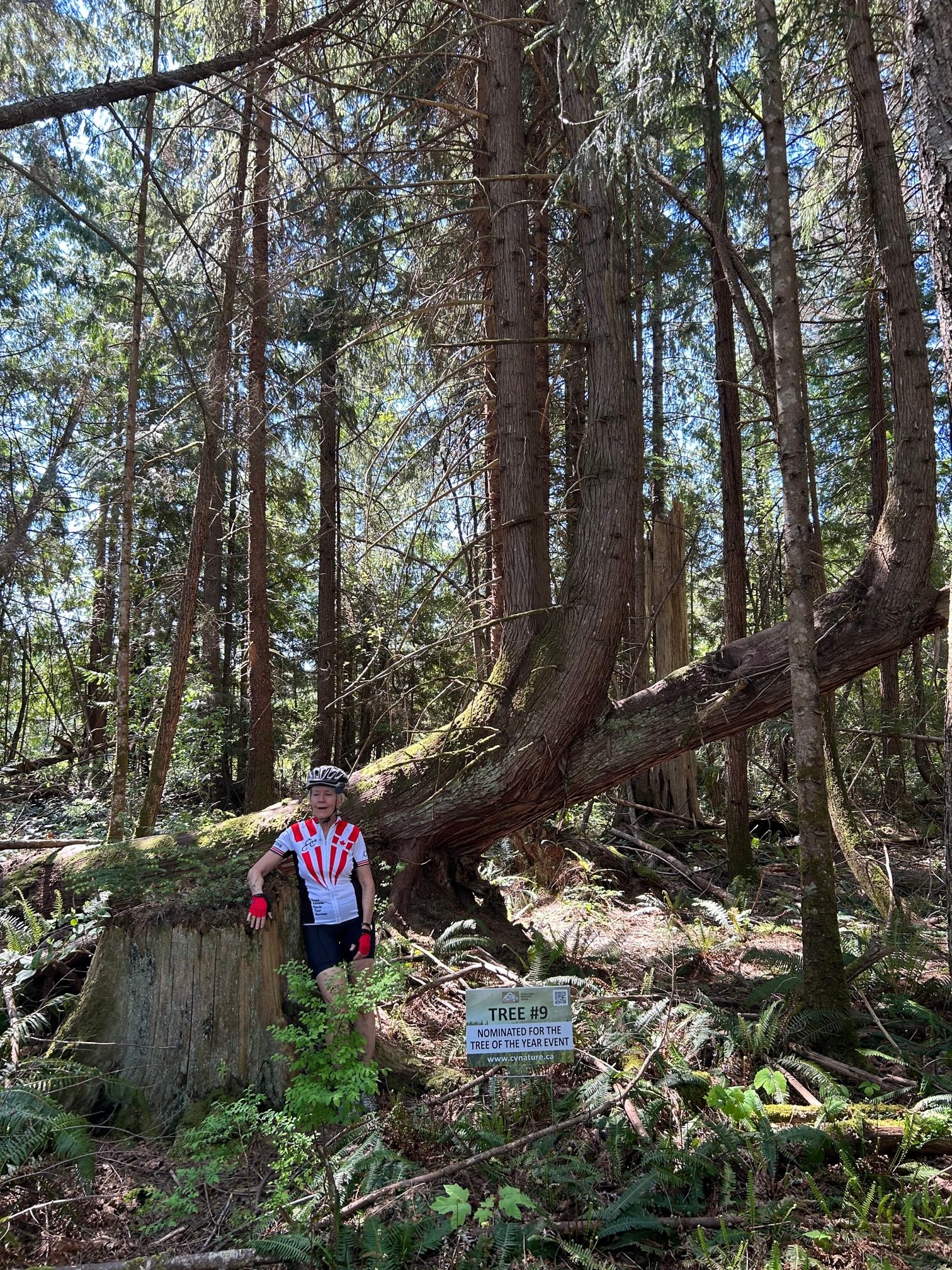
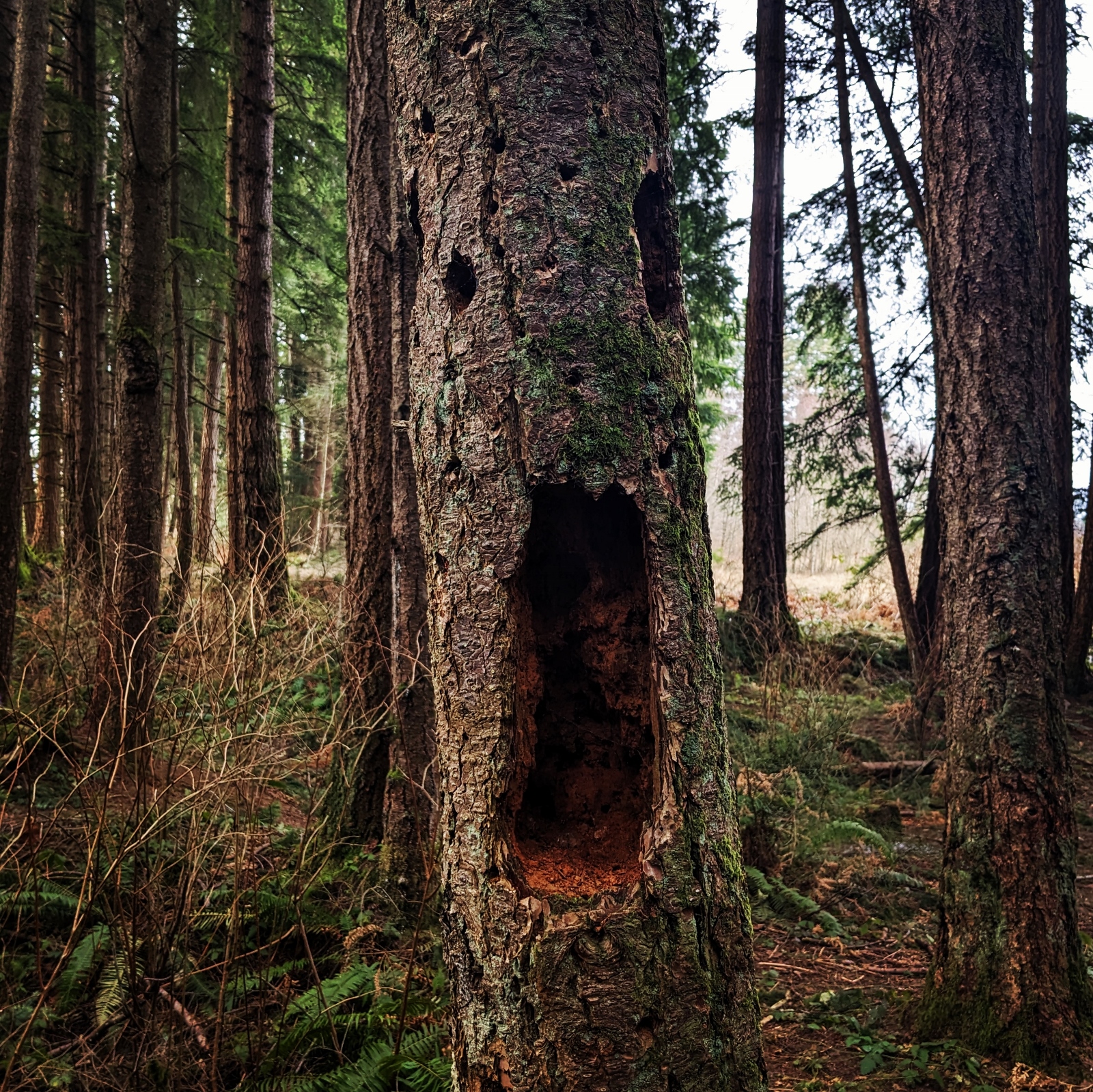
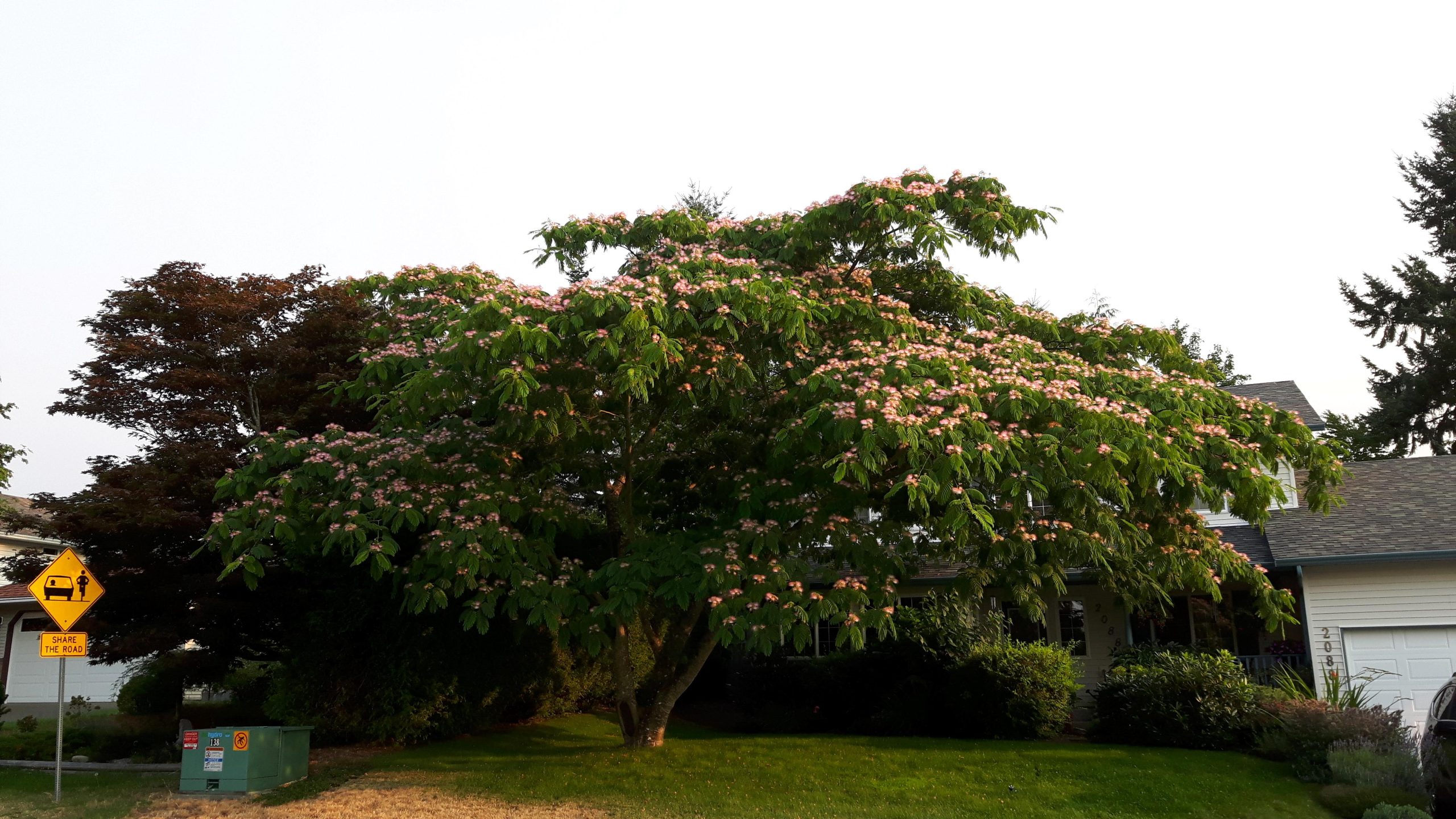
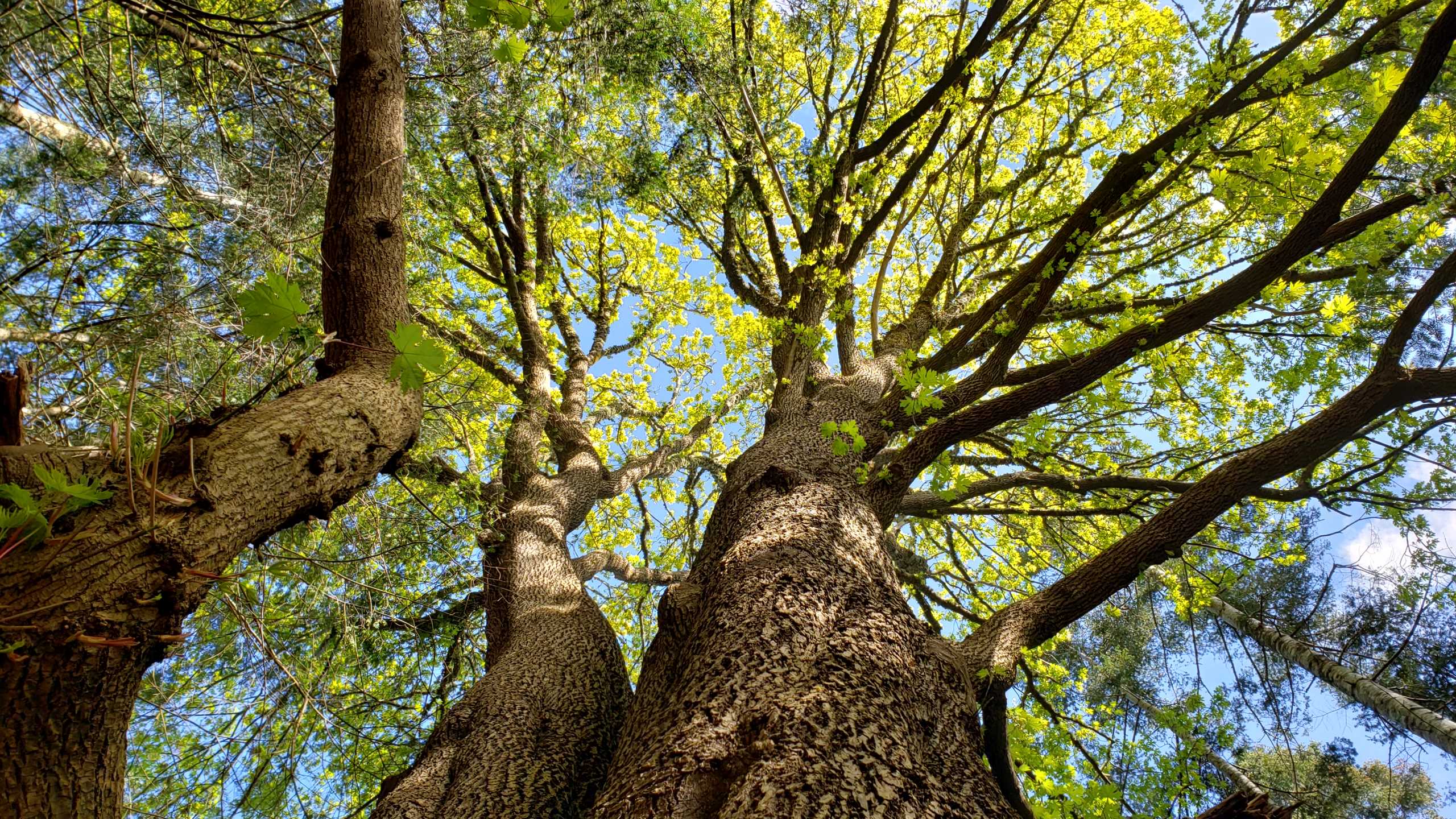
While the CVN Tree of the Year event focuses on the benefits and the stories of all the trees nominated, the votes have been tallied and the winner determined by public vote for 2023. [Click a photo to enlarge it.]

 In first place: #9, a western redcedar in Seal Bay Park, which was nominated by Ted Grainger.

Second place was taken by #6 (Douglas-fir wildlife tree) off Smith Rd., nominated by Jamie Dobbs.

In third place was #7, a silk mimosa, on Bolt Ave. in Comox, nominated by Kathy Tae.

Fourth place went to #23, a bigleaf maple, in Hurford Hill park, nominated by Shane Tillapaugh.

All four of these trees were quite close in their number of votes, so we are featuring all four trees in our press releases which you should see out within the next week or two at the most.

Thank you to everyone who nominated trees and to our volunteers who checked trees, created posters, put up or took down signs, created cycle routes, wrote or edited press releases and summarized nominations.

Have a wonderful summer, and if you haven’t toured all the nominated trees yet, you can still check out the 27 tree descriptions and the cycle tour maps for a community tree adventure.

To learn more about the CVN Tree of the Year contest and its history, visit this page.

Posted in News, Tree(s) of the Year | Comments Off on 2023 CVN Tree of the Year announced!

Book review: The Race for What’s Left

CVN member Tony de Castro has shared his review of the book The Race for What’s Left: The Global Scramble for the World’s Last Resources by Michael T. Klare. As a longer-form article the review has its own page on the site. You can read the review here.

Posted in Book Reviews | Comments Off on Book review: The Race for What’s Left

Cumberland Marsh botany highlights

From an email by Jocie to the Botany/Mycology Group on May 17. Click a photo to enlarge it.

Last week we took a walk along Cumberland Marsh from Jumbo’s cabin to the coal hills above the old Japanese townsite. Many blooming shrubs and other lovely plants. If anyone has the answer to the “mystery plant” (#11 and #12) let me know.

Thanks to Véronique for the photos!

A few highlights: 

  1. Cascara (Frangula purshiana). The well-defined veins of the leaves give it a “washboard” appearance. Doesn’t have toothed edges like the red alder. Bark used to be stripped and sold for its laxative properties. Old-timers remember harvesting from our area.
  1. Black twinberry (Lonicera involucrata). Twinned yellow flowers develop into twinned black berries (not edible).
  1. Red elderberry (Sambucus racemosa). Sprays of white blooms. Bright red non-edible berries coming soon (birds eat them).
  1. Red huckleberry (Rubus parvifolium). Inconspicuous green bell-like flowers.
  1. Vanilla-leaf (Achlys triphylla). Spikes of white flowers are appearing now.
  1. Kinnikinnick (Arctostaphylos uva-ursi).  Likes drier sunny sites, as seen here on the edges of the coal hill.
  1. Marsh cinquefoil (Comarum palustre). Likes to have its feet wet: look for it in marshes, bogs and along pond edges.
  1. Western yellow pond lily (Nuphar polysepala). I was out in the canoe recently and noticed just how many insects, spiders and birds use lily pads as landing platforms. The lilies support a whole ecosystem above and below the surface.
  1. Western yew (Taxus brevifolia). An often overlooked tree….most that we see are small and scraggly, but in an old-growth forest they are larger and more conspicuous.
  1. Western yew bark: peeling and a reddish mahogany colour, reminiscent of arbutus.
  1. Everyone loves a plant mystery….there are quite a few gone-wild garden plants in the Cumberland marsh area which are remnants from the old townsite. This one had us stumped, maybe some sort of saxifrage??
  1. Mystery plant flower close-up.
Posted in Field Trips, Plants and fungi | Comments Off on Cumberland Marsh botany highlights

Roy Morrison Nature Park walk

From an email by Jocie to the Botany/Mycology Group on April 19. Click a photo to enlarge it.

We had a wet and cold walk in Roy Morrison Nature Park on Monday April 17 (should I have canceled?) Nonetheless, 7 intrepid botanists showed up. All the plants looked wonderfully fresh in the rain. The “cabbage patch” was magnificent, and it seems to be a good year for trilliums.

Here are a few highlights. Thanks to Véronique for being our “designated photographer.” No one else wanted to take out their camera in the downpour!

  1. Wet botanists! (but appropriately attired).
  1. Skunk cabbage patch (Lysichiton americanum).
  1. Detail of the small flowers dotting the spadix (central column) of skunk cabbage.

  1. Black gooseberry (Ribes lacustre).
  1. Detail of black gooseberry (note the golden spines all along the stem).
  1. Water purslane (Ludwigia palustris). This semi-aquatic plant likes to hang out in ditches, swamps and pond edges. It is in the evening primrose family (Onagraceae).
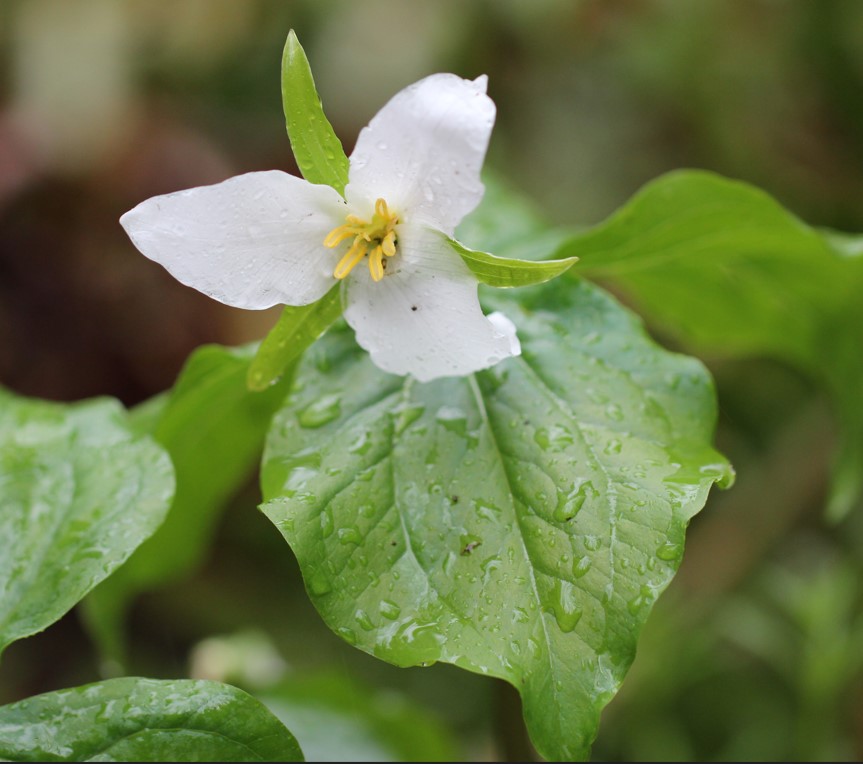
  1. Western trillium (Trillium ovatum). After pollination, the white blooms turn pink or maroon coloured.
  1. Catkins of black cottonwood (Populus trichocarpa) are larger and more purple-toned than red alder. The catkins are packed with male flowers.
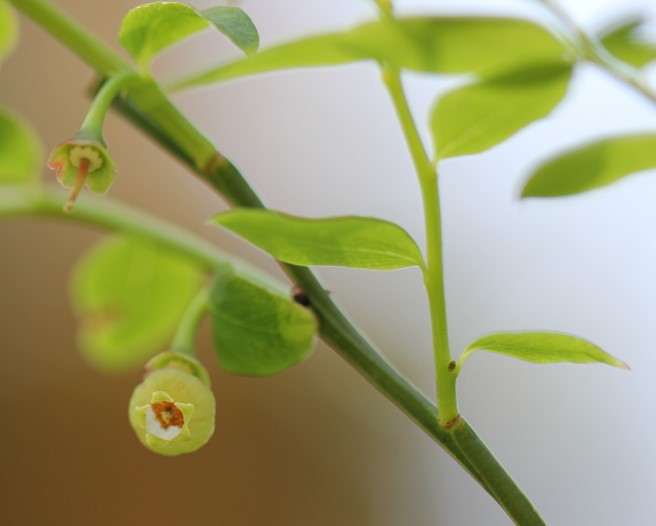
  1. Oval-leaved blueberry (Vaccinium ovatifolium). Though more common in the subalpine, blueberry is found sporadically through our lowland forests (and more common further north along the coast). The little white bell-like flowers, which bloom before the leaves, stand out in early to mid-April.
  1. Blueberry flower closeup showing the red twigs that differ from the green twigs of red huckleberry.
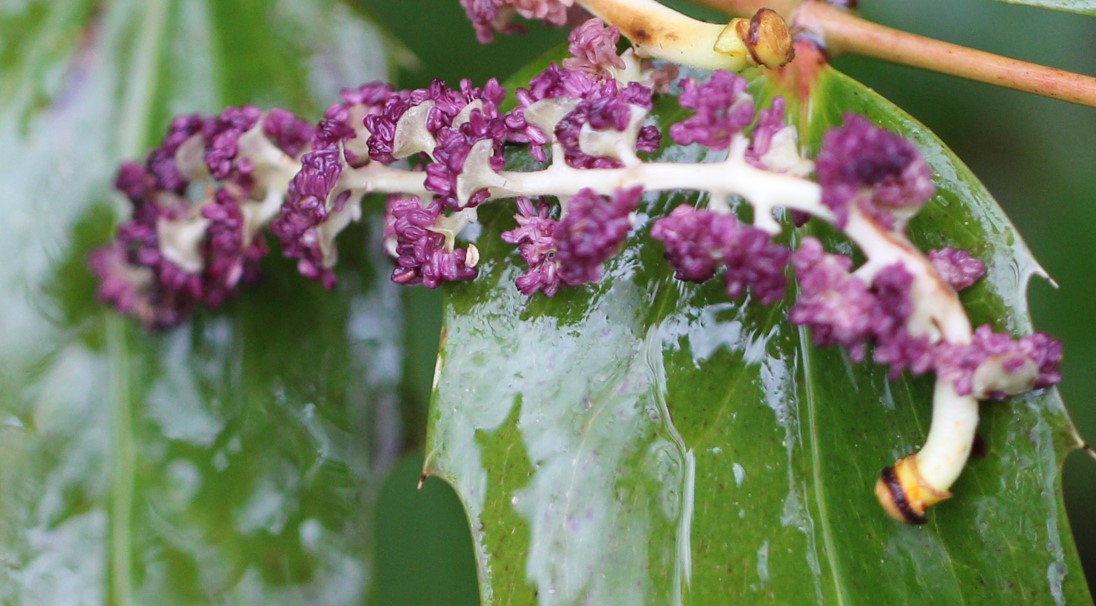
  1. Green false hellebore (Veratrum viride). Another plant that’s more common in the subalpine. There is some along the edges of Morrison Creek. Very poisonous!
  1. Stream violet (Viola glabella), likes the floodplains of creeks/rivers.
Posted in Field Trips, Plants and fungi | Comments Off on Roy Morrison Nature Park walk