Strathcona Wilderness Institute (SWI) is sponsoring a workshop on July 15 by Birds Canada on birding and the Black Swift. See the details in the poster below.

Strathcona Wilderness Institute (SWI) is sponsoring a workshop on July 15 by Birds Canada on birding and the Black Swift. See the details in the poster below.
On June 4, 2023, the Shoreline Group enjoyed an excellent outing at Point Holmes with special guest leader Rick Harbo.

You can download the full trip report and a list of species observed. Below are photos of a few of the organisms that the group observed (click a photo to enlarge it).


From the Harbour Publishing website:

Rick M. Harbo, BSc, is the author of the bestselling Tidepool & Reef (Big Country Books, 1980), Shells & Shellfish of the Pacific Northwest (Harbour Publishing, 1997), Pacific Reef and Shore (Harbour Publishing, 2017) plus several pocket field guides to marine life of the Pacific Northwest (Harbour Publishing).
Harbo is a diver and a retired senior marine biologist with Fisheries and Oceans Canada. He currently volunteers as a research associate with the Royal BC Museum. Harbo lives in Nanaimo, BC.
Be sure to check out the recently revised and expanded third edition of his popular field guide Whelks to Whales: Coastal Marine Life of the Pacific Northwest.

Tiare Nu’u, a graduate of Isfeld Secondary School, is the 2023 recipient of the CVN Bursary. She will study Biological Sciences at Queen’s University. Her program will include environmental science in order to pursue her passion for nature and environmental stewardship.
Tia grew up on a small farm in Royston. Her daily experiences and responsibilities taught her the value of healthy ecosystems while fostering her love of the natural world.
Congratulations, Tia!
From an email by Jocie to the Botany/Mycology Group on June 21. Click a photo to enlarge it.
On Monday we enjoyed a leisurely ramble along the ridge above the Trent River, accessing the trail from the end of Hatton Rd. off of Briardale Crescent.
Hard questions were asked, like “why do spittlebugs spit.” The bugs apparently excrete the spit-like substance that we see on plant stalks, which protects them from predators.
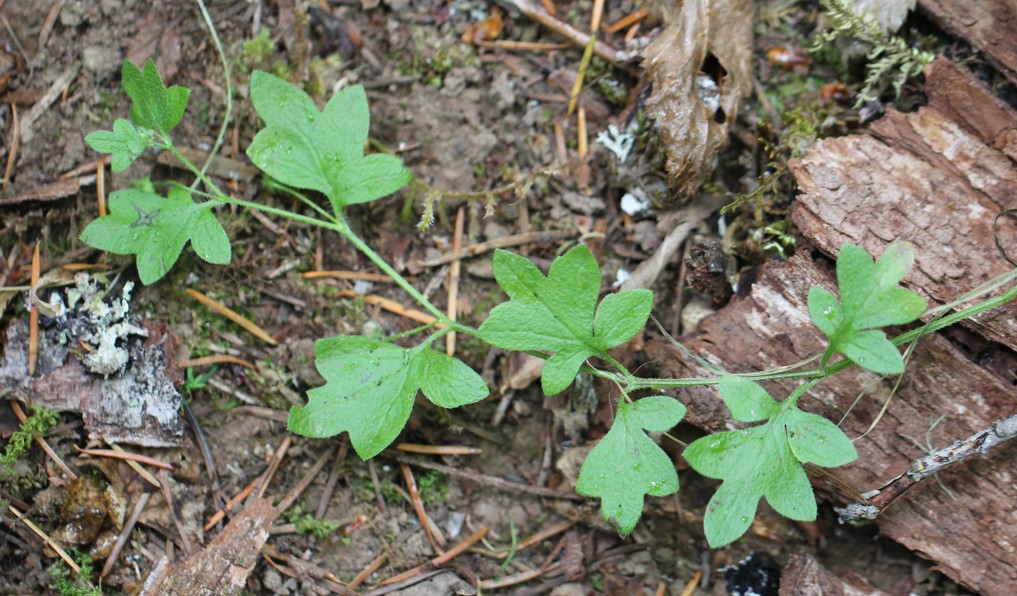
Kathryn pointed out that the flower-bearing stalks of the vanilla-leaf are free-floating, and not attached to the leaves at all…who knew!
Here are a few highlights, and I’ll be sending a second instalment with more of Veronique’s photos.
Photos: Jocie, Veronique and Isabella (people pics). Thanks for sending!




Notes and photos by Alison M. distributed by email to the Botany Group on June 18. Click a photo to enlarge it.
The main Boardwalk loop in Paradise Meadows is now clear of snow.
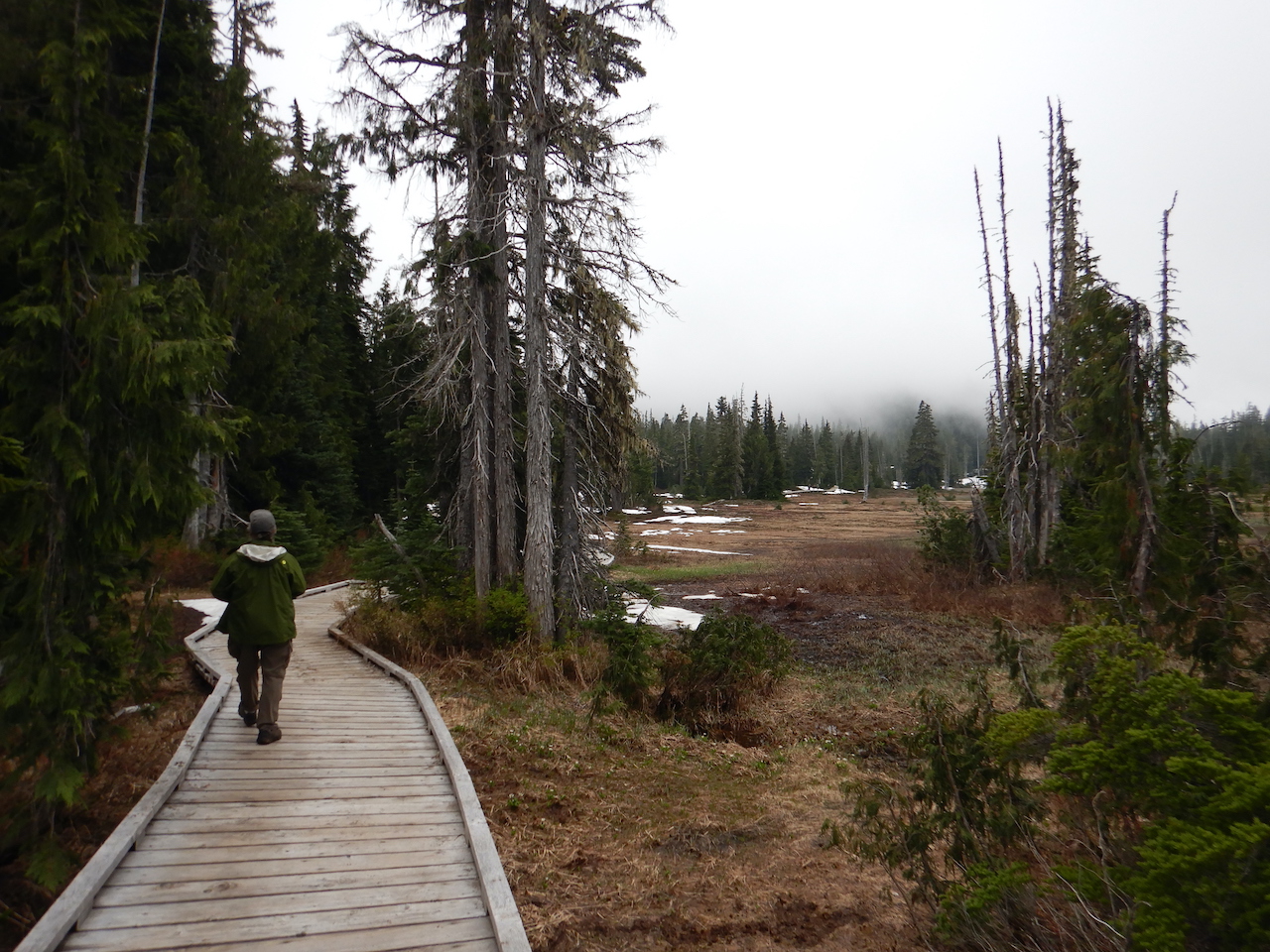
The abnormally hot weather in May caused the rapid melt of the subalpine snowpack which was shallower than that of 2022. Over the past two weeks the early spring flowers are emerging in Paradise Meadows 4-6 weeks earlier than last year.
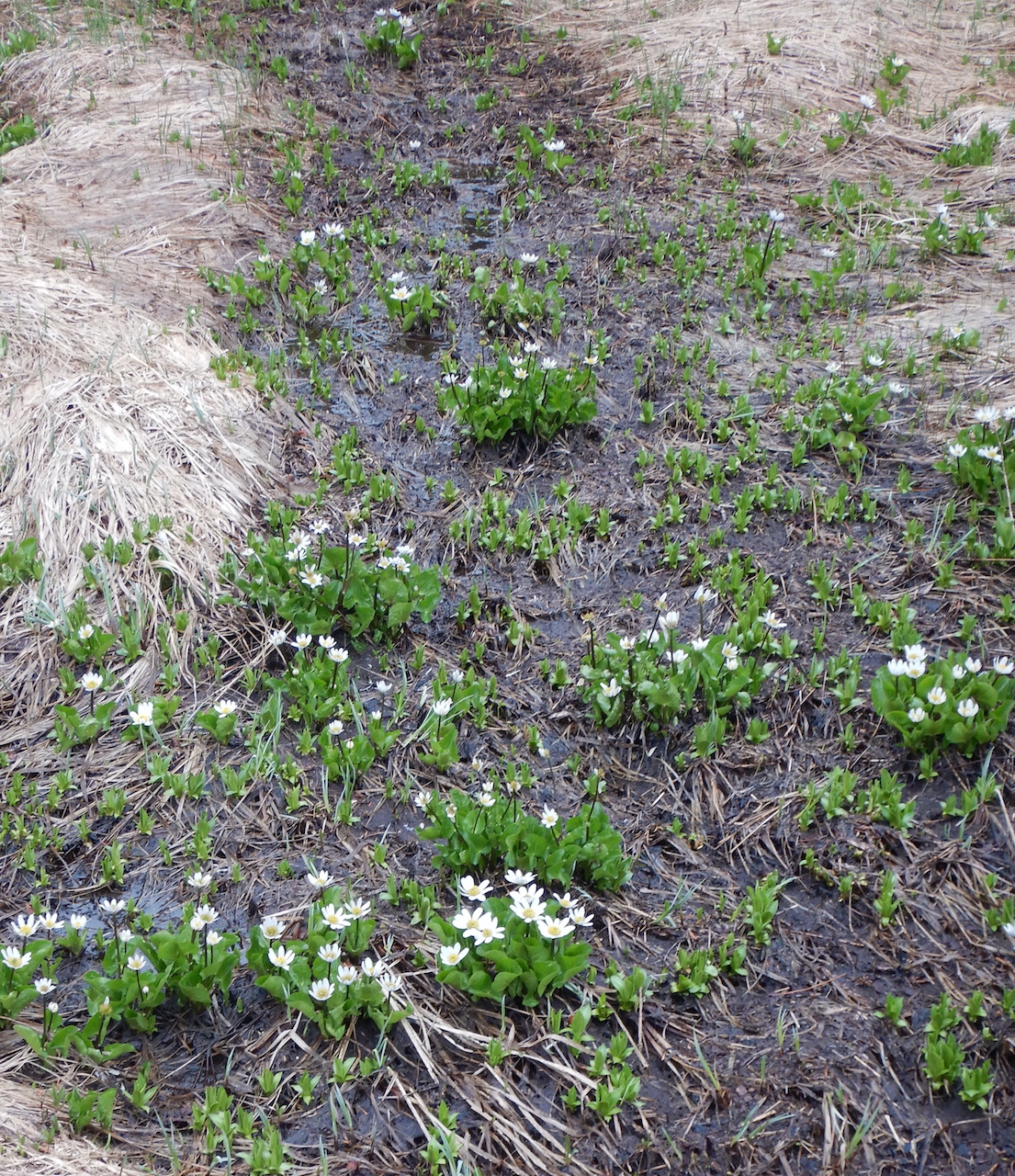
The white marsh-marigolds (Caltha leptosepala) which always appear as the snow receded now lie in runnels devoid of snow (photo #2).
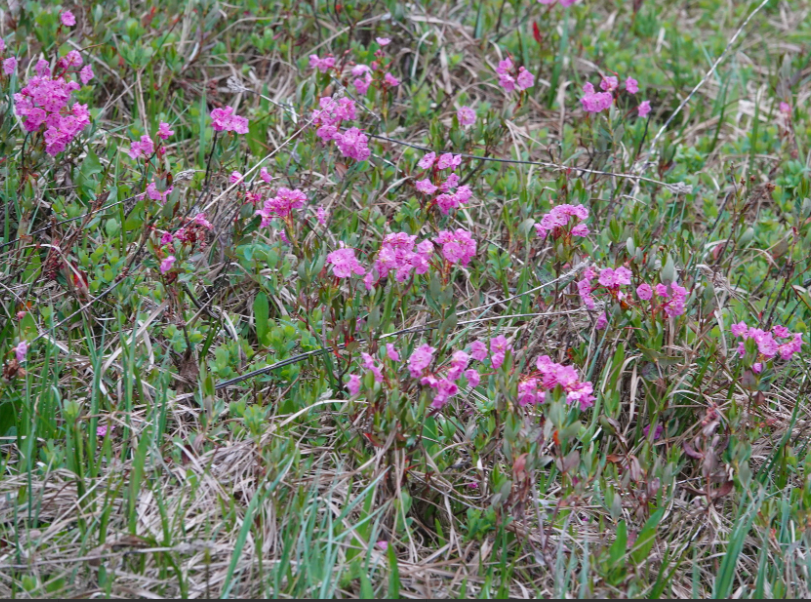
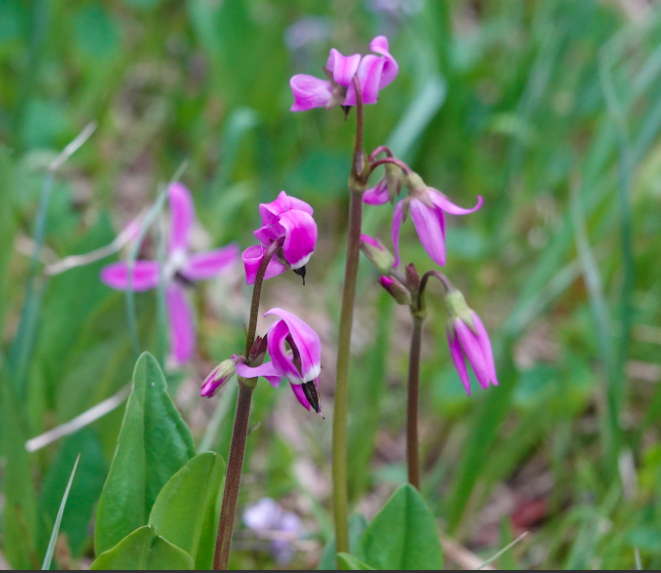
By June 10 the pinks of western bog-laurel (Kalmia macrophylla) and the shooting stars (Primula jeffreyi, formerly Dodecatheon jeffreyi) were to be seen in that warm corner on the north side of the Boardwalk below Nordic Drive.
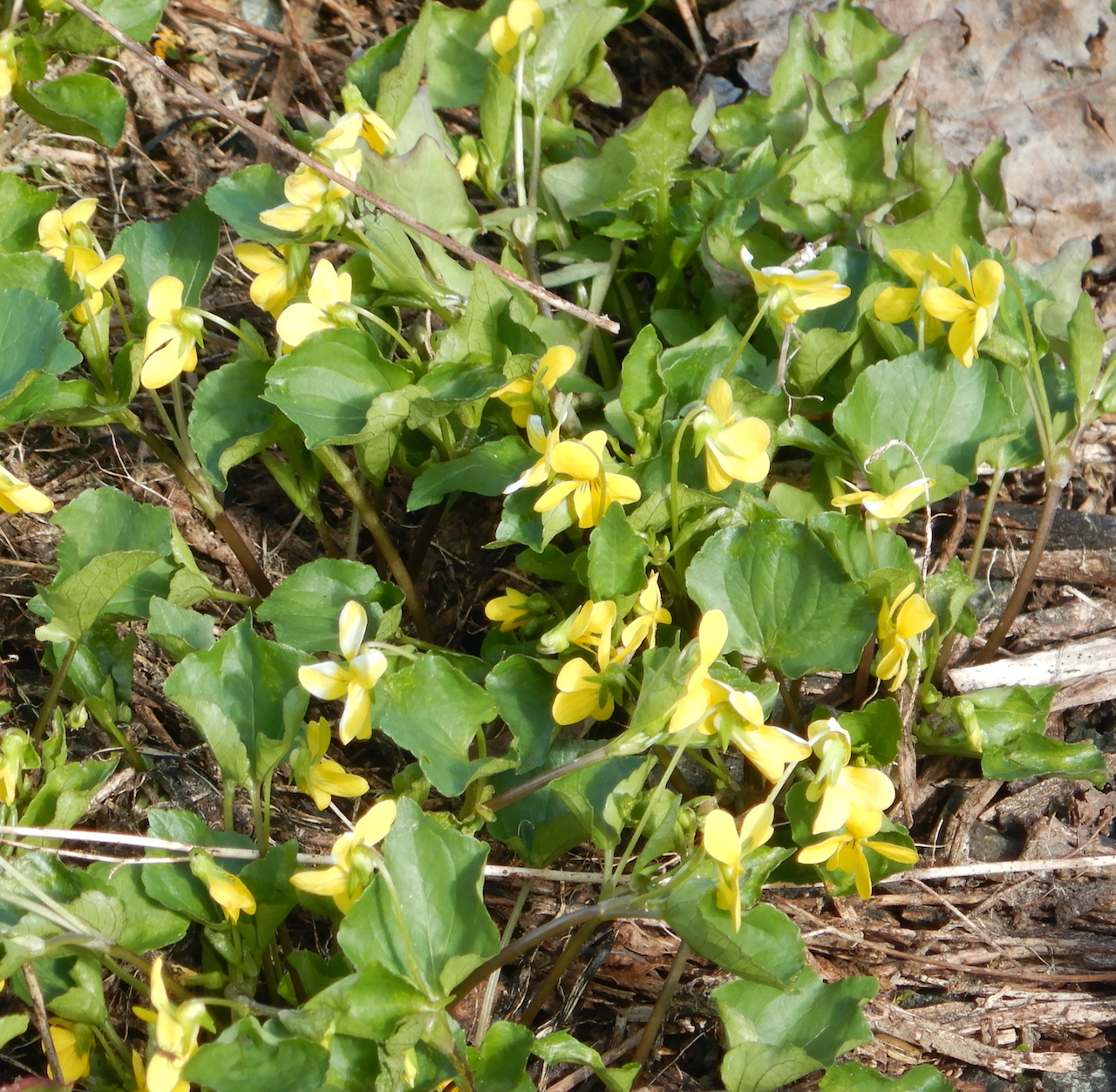
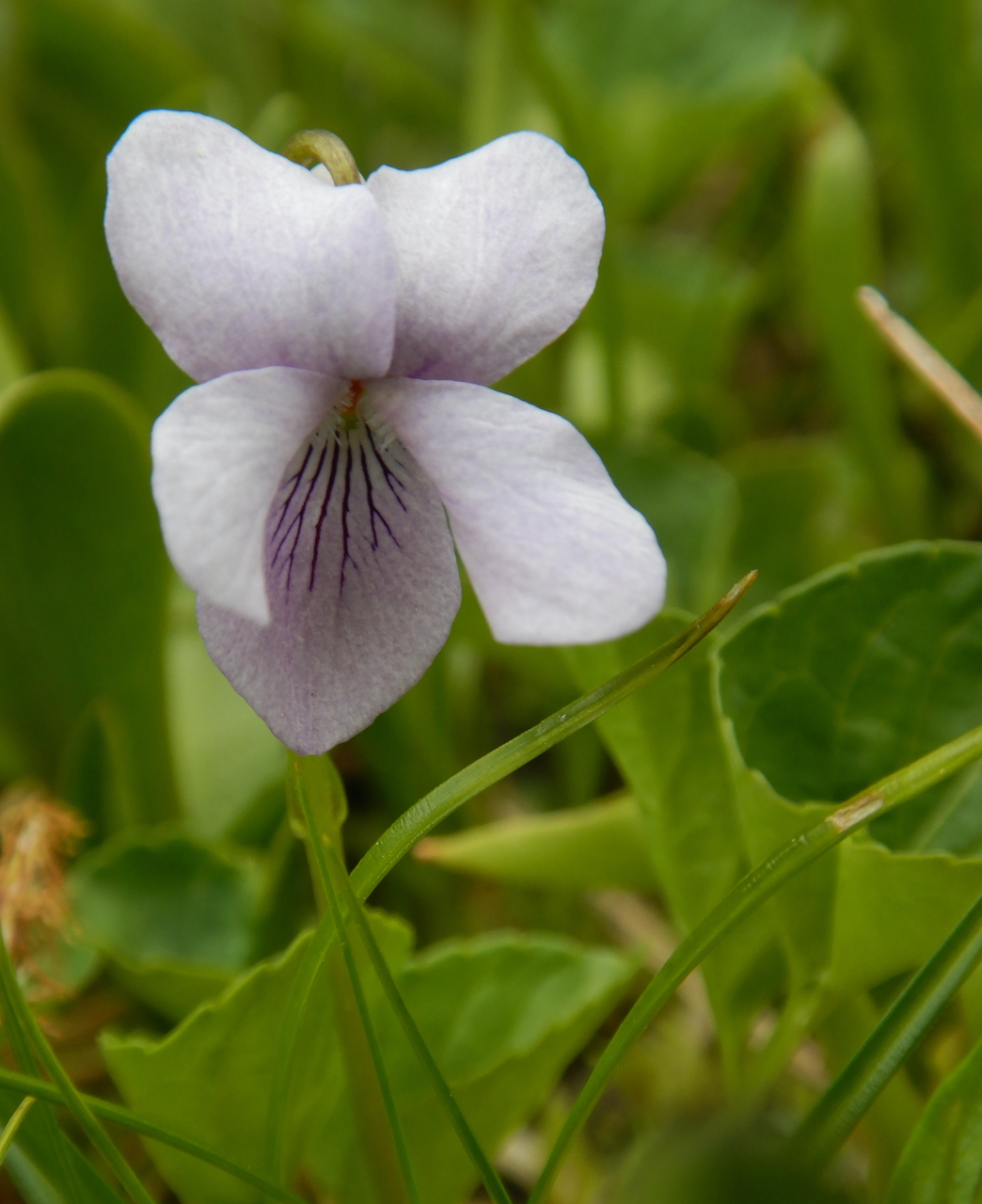
Lots of yellow stream violets (Viola glabella) are to be seen, and even a few of the pale purple marsh violets (Viola palustris).
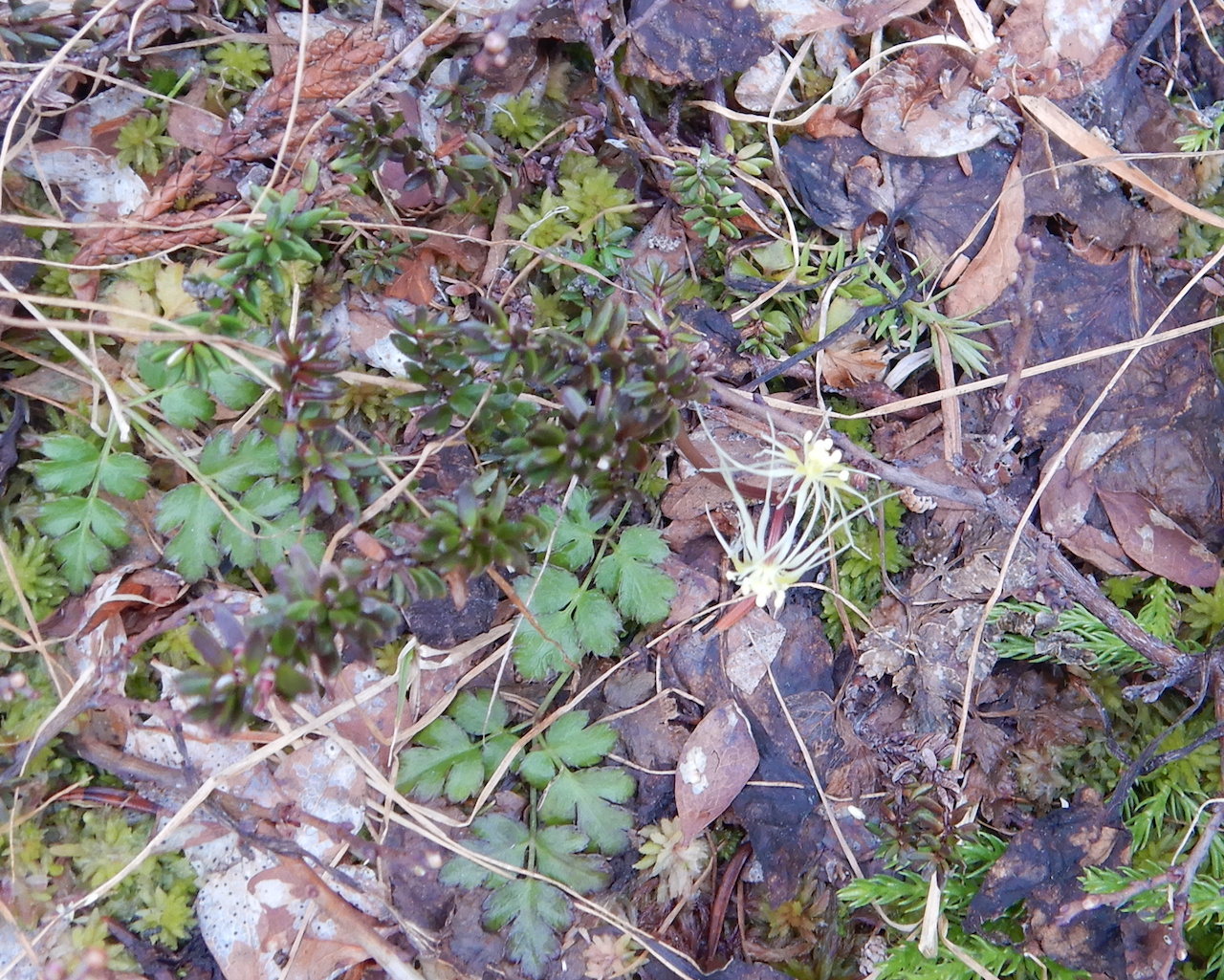
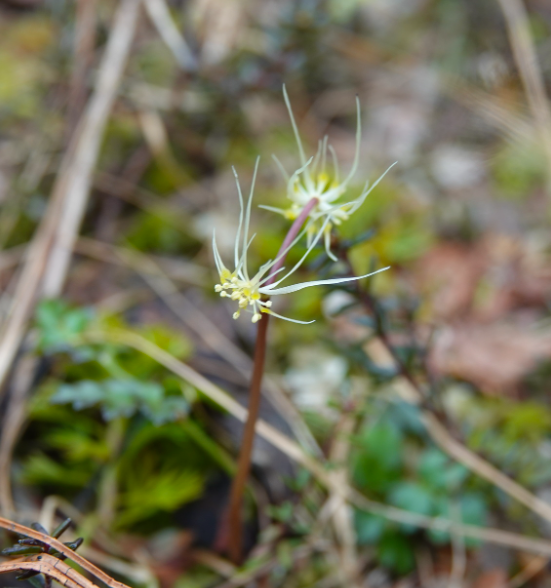
And the patch of fern-leafed goldthread (Coptis asplenifolia) has numerous blooms. Appearing as it does just after the snow melts, its short-lived blooms are often missed (location: along the boardwalk, keeping right at the junction, about half way between there and the trail to Lake Helen Mackenzie, on the left-hand side). It was already in bloom at lower elevations on the Elk River Trail at the end of April.