Comox Valley Nature, in conjunction with the Canadian Society of Environmental Biologists, recently presented the following webinar:
Title:Logging in Your Watersheds – A Hydrological Report Card Speaker: Dave Weaver (Vice President, Beaufort Watershed Stewards) Date: Sunday, September 18, 2022
If you missed this event or would like to see it again, CSEB has made the recording available here. To access it you will need to provide your name and email address.
For more information about this talk, see the announcement in our earlier post.
CVN members and the general public were invited to attend the following webinars presented by the Strathcona Wilderness Institute (SWI):
Title: Species of Conservation Concern in Strathcona Provincial Park Speaker: Jack Bindernagel Date: Saturday September 3, 2022
and
Title: Can community science measure vascular plant elevation changes in Strathcona Park? Speaker: Steven Hayward Date: Tuesday September 13, 2022
These talks and their recordings were facilitated by the Canadian Society of Environmental Biologists. If you missed these events or would like to see them again, CSEB has made the recordings available:
Comox Valley Nature is pleased to host the following free online lecture in conjunction with our first fall general meeting:
Title: Logging in Your Watersheds – A Hydrological Report Card Speaker: Dave Weaver Date: Sunday, September 18, 2022 Time: 7:00 p.m. PT
This webinar is facilitated by the Canadian Society of Environmental Biologists and is open to the public (see the registration link below).
Have our local watersheds been logged too much or not hydrologically? What would be the implications?
This information session will attempt to answer these questions by presenting the findings from the Beaufort Watershed Stewards’ 2021 Hydrological Health Report Card, on four local watersheds on the east side of the Beaufort mountains.
About the speaker
Dave Weaver is a retired Professional Forester. He is the Vice President of the Beaufort Watershed Stewards.
From an email by Jocie to the Botany Group on September 4. Click a photo to enlarge it.
Here’s the second instalment of the Mount Albert Edward plants and views (see the first part here). If I’ve miss-identified any plants please let me know!
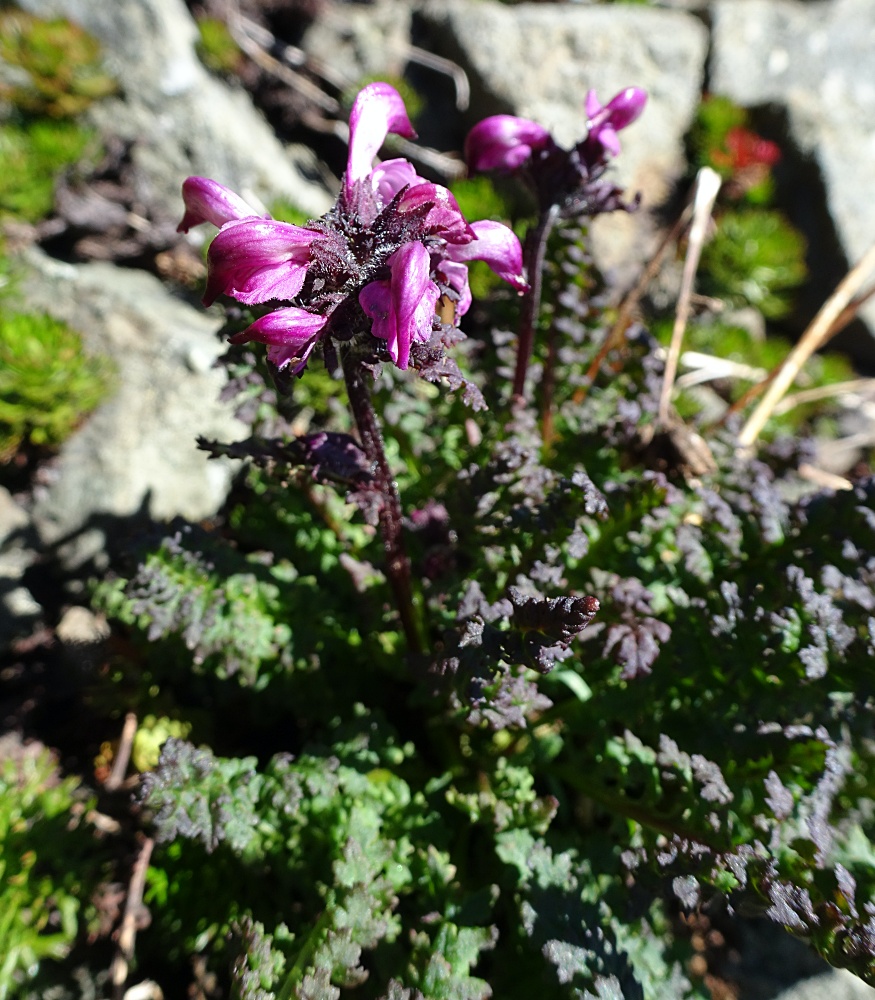
Looking back along the ridge (paintbrush, far left)
Alpine sorrel (Oxyria digyna)
Silky phacelia (Phacelia sericea)
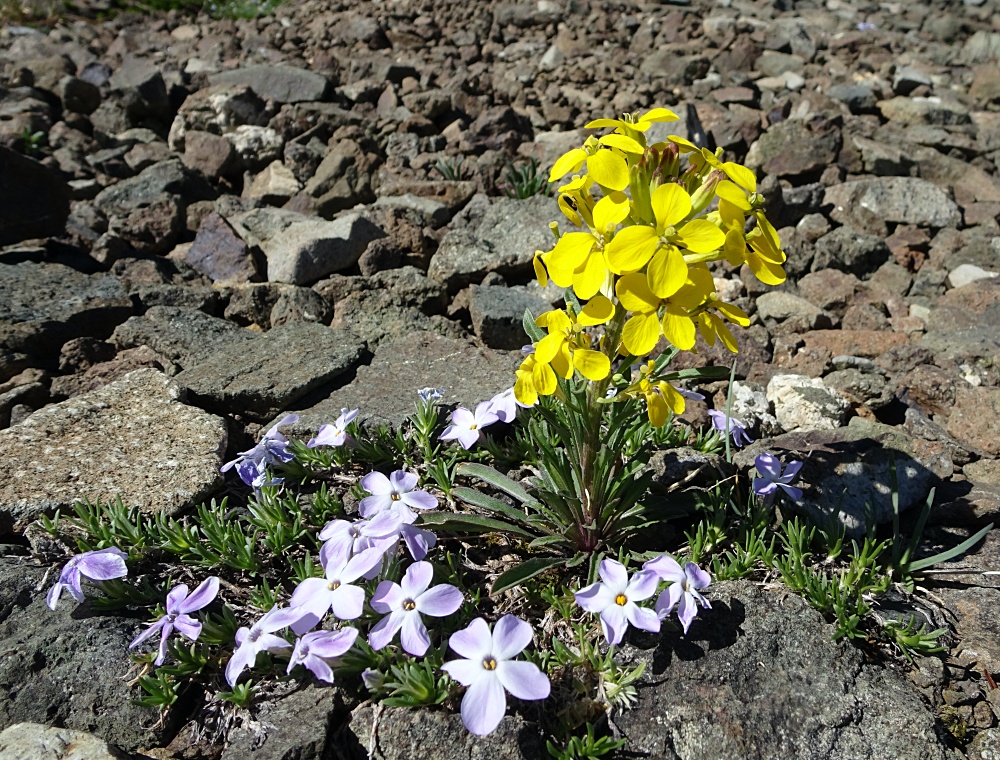
Cascade wallflower and spreading phlox (Erysimum arenicola and Phlox diffusa). Note that the Cascade wallflower has quite a limited range, and in BC is found only on Vancouver Island.
Mount Washington and coast range view
Moat Lake and Cruickshank Canyon view
Posted inPlants and fungi|Comments Off on Albert Edward botany (part 2)
From an email by Jocie to the Botany Group on September 4. Click a photo to enlarge it.
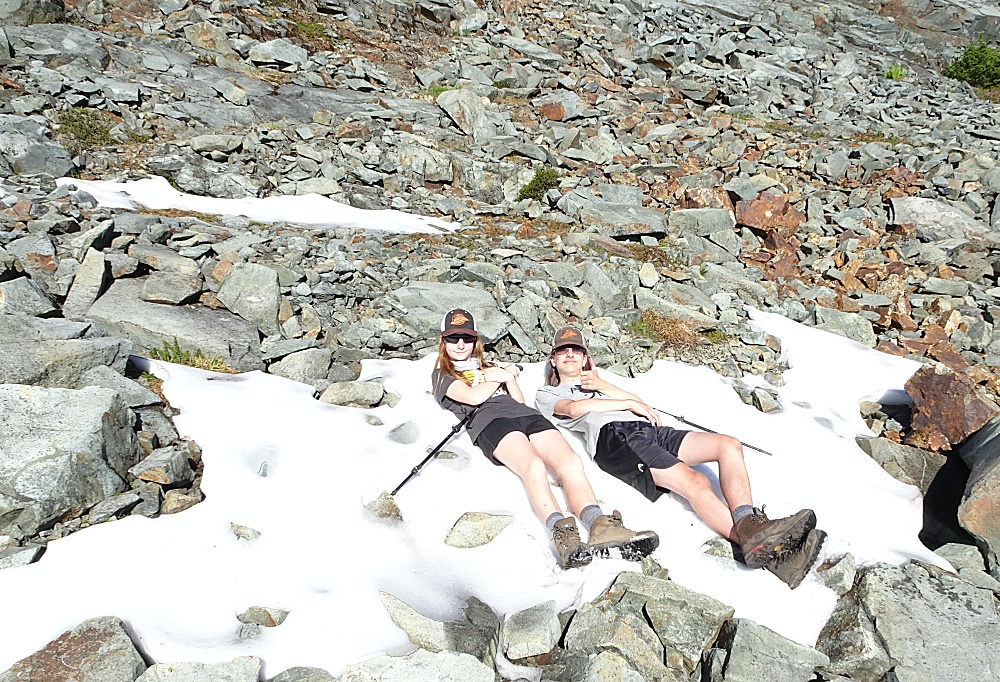
Reflecting back over the summer (as one does, come Labour Day), one of our highlights was a backpack up Mount Albert Edward on August 16-18. We did the usual thing, camping at Circlet Lake and day hiking from there, followed by a second night at Circlet. There are those who hike or trail-run to the summit as a day trip, but it doesn’t look like much fun!
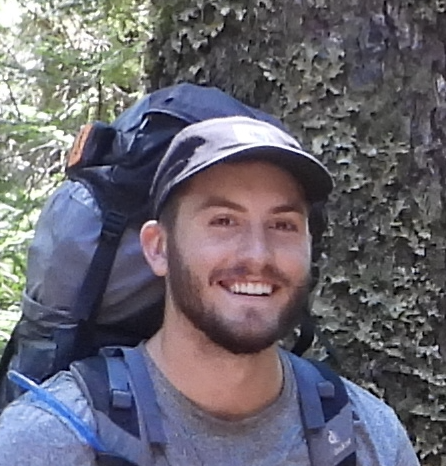
Many lovely subalpine plants, and some higher-elevation alpine plants on the rocky ridge to Albert Edward that I don’t get to see too often. Here are some plants and views, and a few shots of my teenage kids en route. We reached the summit on my son’s 15th birthday!
Notes and photos by Kim D. distributed by Jocie to the Botany Group on September 3. Click a photo to enlarge it.
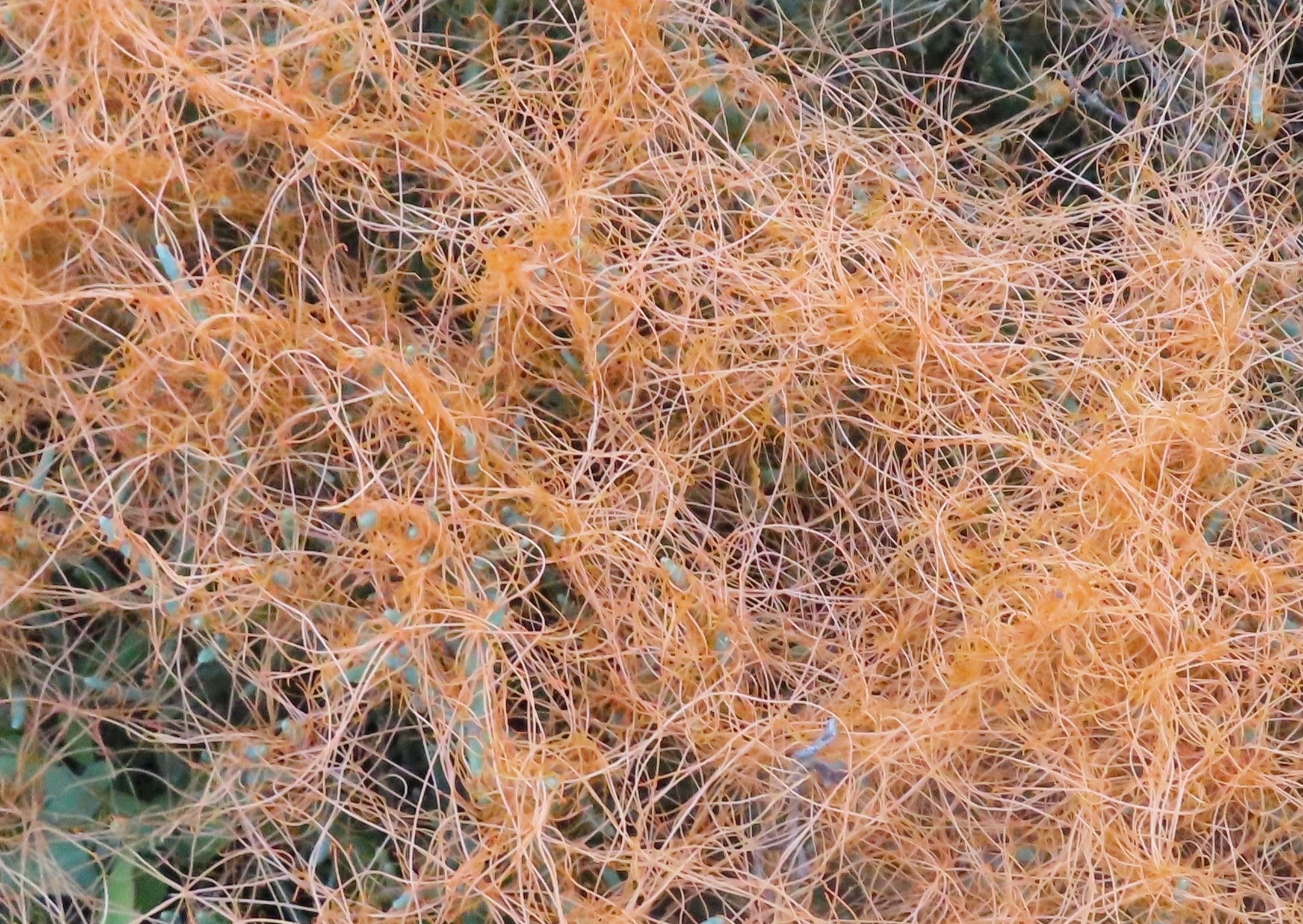
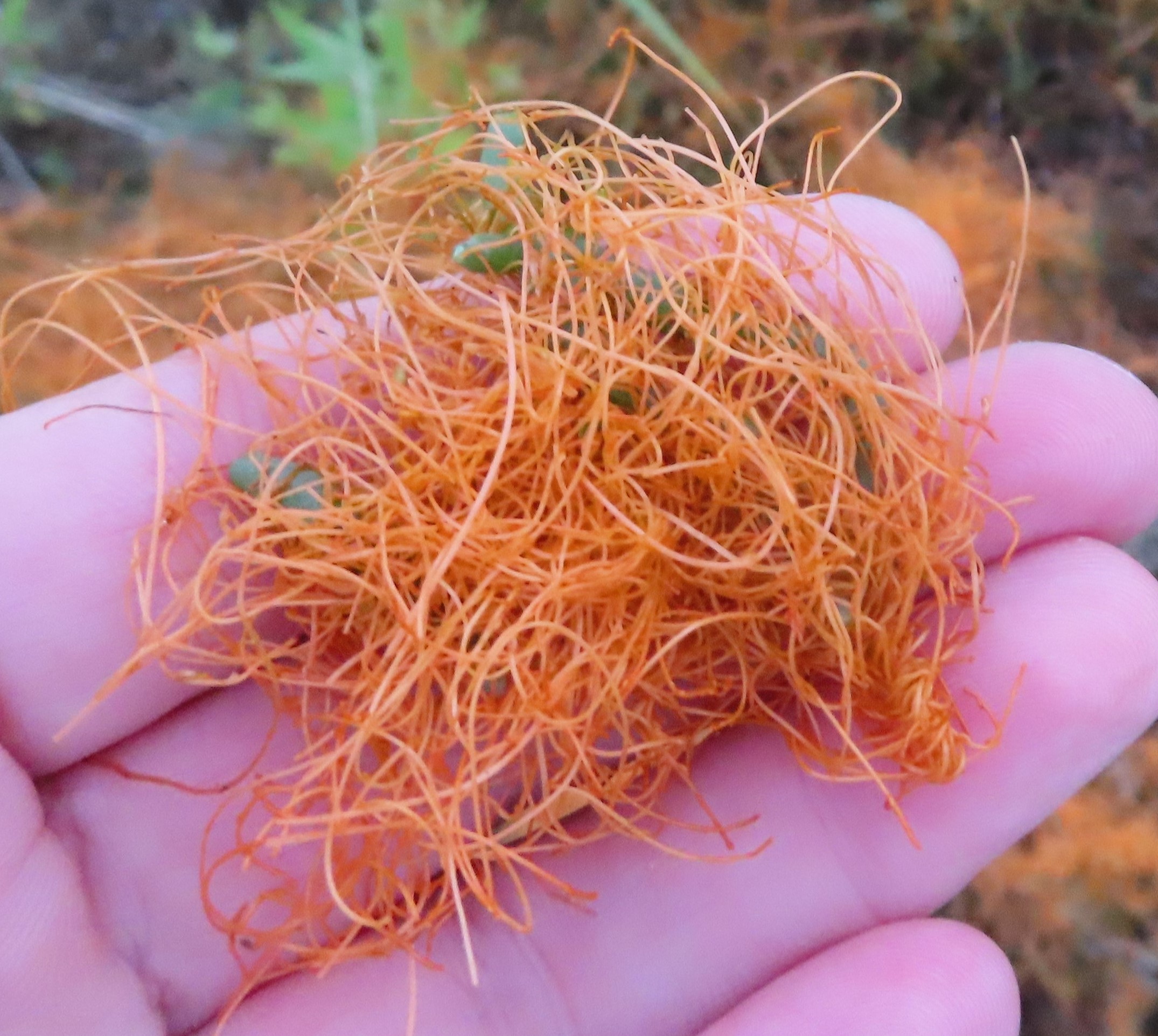
and 2. Pacific goldenthread. A dodder, likely Cuscuta salina, which parasitizes plants in the Goosefoot family, especially pickleweed (in the genus Salicornia). You can see pickleweed poking through in the photo.
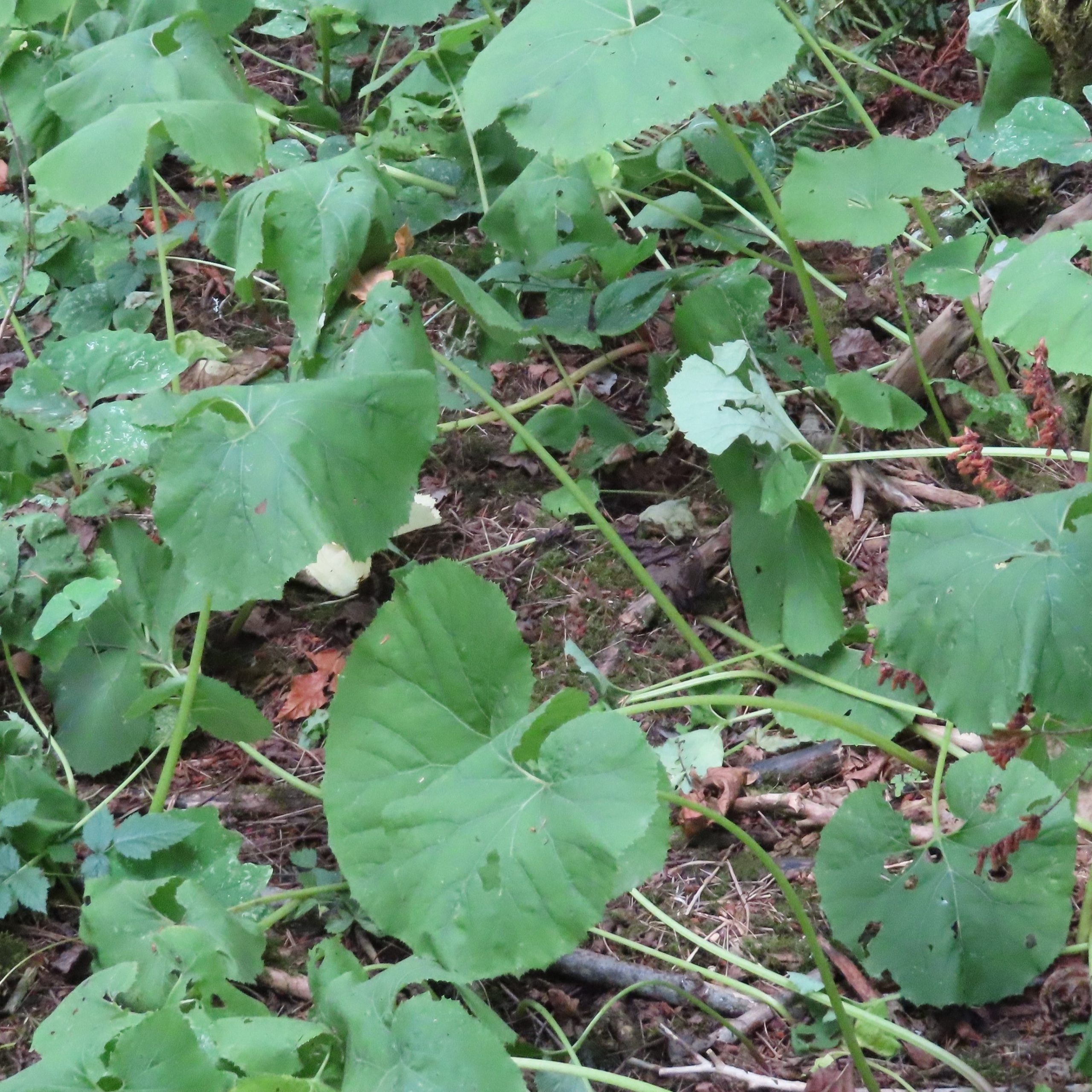
Japanese butterbur, maybe Petasites japonicus. Not native but of historical interest!
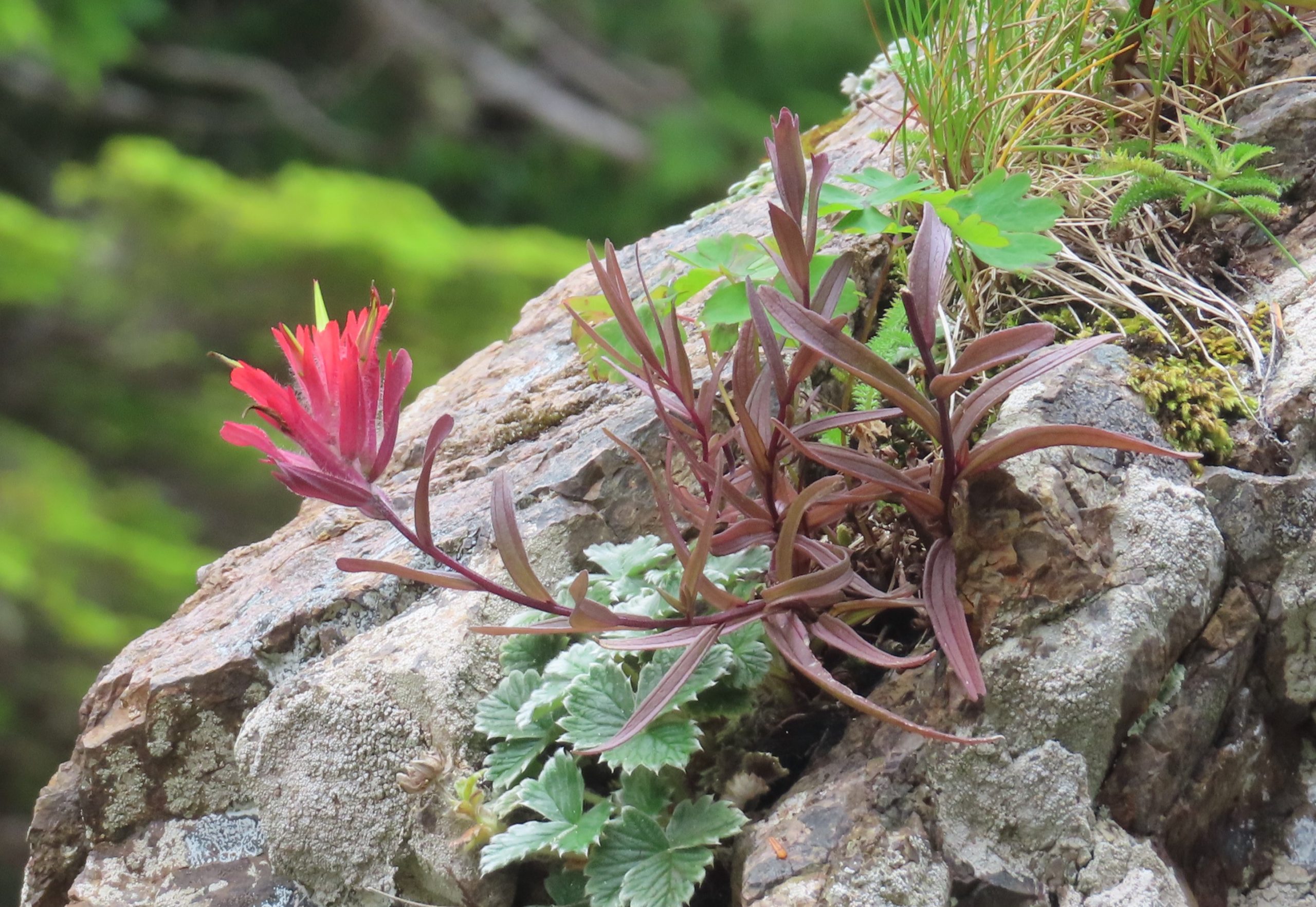
Paintbrush (Castilleja sp.).
The first two pictures I believe are Pacific goldenthread/salt marsh dodder. I saw it along the shore on the north side of the road at the Little River Ferry terminal in July. First I thought it was some kind of fish netting. When I read more about it, I learned that it loves pickleweed and it was definitely intertwined with that.
The third picture I saw on a Cumberland Museum tour through No. 1 Japanese Settlement just last week. I was told by the leader Dawn Copeland that it is Japanese butterbur or Japanese sweet coltsfoot. It was looking a little floppy with all the dry weather. Apparently it is only seen near where the Japanese have lived.
The final picture I took on a sea stack at San Josef Bay. I know it is paintbrush but nothing more specific than that. Seemed quite dwarfed and definitely connected with the rock but that is all I know.
Posted inPlants and fungi|Comments Off on More summer botany highlights
A message from Kelly Kline, leader of the CVN Birders Group.
Young Rufous Hummingbird (photo: Charles Brandt)
The CVN Birders Group goes on bird-watching field trips every Thursday morning and on the first Sunday of each month. We skip the Thursday immediately following a Sunday outing.
Currently we are following COVID Protocols which include: current CVN members only may participate; must be fully vaccinated; maintain 2 metres separation; no sharing of scopes, binoculars or devices.
Any Comox Valley Nature member can join the Birders Group by emailing Kelly Kline at: cvnbirds [at] gmail [dot] com.
The following free online lecture presented by the Strathcona Wilderness Institute (SWI) will be of interest to CVN members and others:
Title: Can community science measure vascular plant elevation changes in Strathcona Park? Speaker: Steven Hayward Date: Tuesday September 13, 2022 Time: 7:00 p.m. PDT
This webinar is facilitated by the Canadian Society of Environmental Biologists and is open to the public (see the registration link below).
One aspect of climate change and increasing summer temperatures is the prediction that plants will shift their ranges higher in elevation or northward in latitude to remain in their optimal growing conditions. Community science platforms such as iNaturalist can provide large datasets to researchers and have been used to document flora and fauna in Strathcona Park. Can this dataset be used to track vascular plant elevation changes in Strathcona Provincial Park?
Validation of an R package ‘rgbif’ that provides elevation data based on GPS coordinates and evaluating the current flora dataset of Strathcona Park are necessary first steps to see if answering this research question is possible. Further steps include analyzing this dataset and understanding the strengths and weaknesses of using this approach.
About the speaker
Steven Hayward is a university student who worked for SWI during the summer of 2022.
From an email by Jocie to the Botany Group on August 30.
On July 22-23 I attended Botany BC (along with some of you) and we had a lot of fun looking at subalpine plants. Here are a few highlights from that. Most of these are from the McKenzie Lake area [click a photo to enlarge it]:
Queen’s cup (Clintonia uniflora). These white lilies contrast beautifully with the deep green leaves.
Marsh violet (Viola palustris). A lovely mauve-coloured violet.
Northern comandra or bastard toadflax (Geocaulon lividum). This is not too common in our area, but there is quite a lot along the shores of McKenzie Lake. Note the small yellow-green blooms.
This creamy coloured slime mold (Ceratiomyxa sp.) was found on an old log on the McKenzie Lake trail.
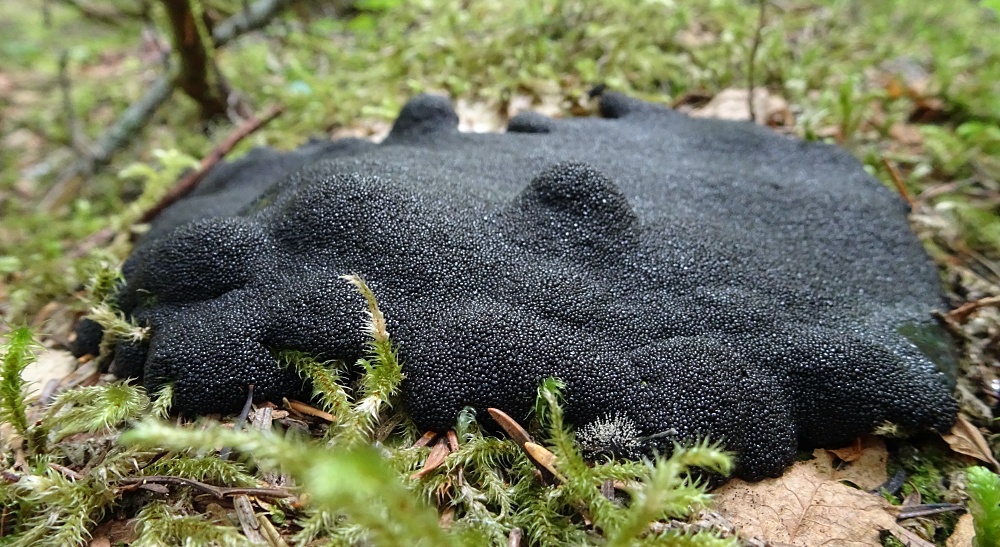
This slime mold (Lindbladia tubulina) looks like a blob of tar! Near Diver’s Lake.
The admirable bolete (Aureoboletus mirabilis) has a reddish suede-like cap.
The following free online lecture presented by the Strathcona Wilderness Institute (SWI) will be of interest to CVN members and others:
Title: Species of Conservation Concern in Strathcona Provincial Park Speaker: Jack Bindernagel Date: Saturday September 3, 2022 Time: 7:00 p.m. PDT
This webinar is facilitated by the Canadian Society of Environmental Biologists and is open to the public (see the registration link below).
Common Nighthawk (Photo: Jack Bindernagel)
Strathcona Provincial Park occupies a large part of Central Vancouver Island and encompasses a wide variety of ecosystems ranging from above treeline down to low-lying riparian and coastal areas. This diversity in landscapes and vegetation is responsible for the impressive number of species recorded in the park. Due to the park’s large size, many of the ecosystems found within it are comparatively intact. Given the park’s high diversity of habitats and large areas of relatively unmodified terrain, it is not surprising that many species which are globally or locally of conservation concern are found within the park.
This presentation aims to showcase a few of these imperilled species which utilize the habitats found in the park, and explore the significance of the park as it relates to their conservation. Some species discussed will include Donn’s small limestone moss (Seligeria donniana), Black Swift (Cypseloides niger), Common Nighthawk (Chordeiles minor), oldgrowth speckleberry lichen (Pseudocyphellaria rainierensis), Sticta weigelii (a foliose lichen), Salish daisy (Erigeron salishii), and cliff dwarf-primrose (Douglasia laevigata).
About the speaker
Jack Bindernagel is a student who worked for SWI during the summer of 2022. After his stint at SWI he resumes his studies at the University of Victoria. Jack has also been very active as a volunteer with CVN’s Wetlands Restoration Group, particularly at Courtenay Airpark.
Join the Comox Valley Conservation Community for a day long celebration of the watersheds and waterways that connect us all in the Comox Valley!Learn about restoration and habitat enhancement projects, salmon cycles, drinking water, forests, creeks, wetlands and estuaries – and so much more. Art projects, kids activities, volunteer engagement opportunities, hands on learning and guided walks – all looking out over the beautiful Puntledge River.Comox Valley Nature will be there with our new outreach tent. Come by and say hello, and try our bird identification game. We can also show you why native plants are best for your garden, and how to spot invasive species.Pack a picnic and stay for the day! Saturday Sept 19th from 9 am – 3 pmin Puntledge Park 1111 1st , Courtenay ...
In her memoir, Pacific Northwest author Caroll Simpson recounts the highs and lows of running a remote fishing lodge on her own following the untimely death of her husband, and of falling in love with the natural world. Simpson tells stories of living in the remote wilderness and managing the lodge, becoming an accidental environmental activist, fending off wild animals, working as an angling guide and finally, fighting off a proposed mining operation and participating in the development of a government land management plan as a spokesperson for the wilderness tourism industry.While Simpson welcomed paying guests at Ookpik Lodge, unwanted house guests included a woodchuck, a pack rat, and martens. Simpson constantly had to watch out for grizzlies, moose, and cougars. Storms and extreme weather also provided fodder for hair-raising tales. All this makes for wonderful storytelling.Caroll’s story is essentially a love story. In an essay for Sierra Club, Simpson wrote: “I developed an immense passion for flora and fauna. Just walking back and forth on the 300’ dock several times a day, I was exposed to the unbelievable beauty of the northern spectrum of water life: the golden eagle soaring above, the osprey and kingfisher diving and coming up with fish for their hatchlings, the muskrats and otters looking for an easy meal, the tireless beaver working into the late evening sunsets. All of these creatures and more expressed their generational ownership of this small piece of the world. In return each was given my utmost respect and admiration…As I listened to the loons at the end of each day and the owl and the wolf in the night, I felt blessed to be witnessing such beauty. “On September 20th, join Comox Valley Nature and Save Our Forests Team for an afternoon of storytelling about this remarkable time spent living on a remote British Columbia lake.The event is being held at the Comox United Church Hall. (250 Beach Drive, Comox) Admission is by donation. Doors open at 2:30; the event begins at 3:00 p.m. There will be time for Q&A after the presentation, as well as books available for purchase. Tea/coffee and cookies - including forest-themed cupcakes - will be available for a donation.Join us, and prepare to fall in love. ...
🎟️ Get your tickets to the Project Watershed 2026 Keeping It Living Dinner today! projectwatershed.ca/2026-keeping-it-living-dinner/Every ticket holder makes a difference. 💙 🎟️ Get your tickets to our 2026 Keeping It Living Dinner today! projectwatershed.ca/2026-keeping-it-living-dinner/When community and local businesses invest in conservation, our entire ecosystem benefits. Ticket sales directly support habitat restoration, scientific research, and environmental education, while the generosity of our sponsors helps offset event costs, ensuring that more of the funds raised can go directly toward this important work. Thank you to our incredible sponsors and dinner attendees for believing in the power of community-led conservation. Odlum Brown Community and Northwest Hydraulic Consultants, 40 Knots Winery, CNB Together, we're keeping our watersheds living. 🌿 Hope to see you September 12, 5 - 8 pm at 40 KNOTS Winery #KeepingItLiving #ProjectWatershed #CommunitySupport #Conservation #ComoxValley ...
The City of Courtenay is developing a long-term vision for Bill Moore Park and Dogwood Park to guide future improvements. To help guide these decisions, three initial concepts have been developed, and there is an opportunity for you to offer your input.The latest survey on the City website engagecomoxvalley.ca/bill-moore-and-dogwood-park asks for feedback on three concept plans and specifically which concept you prefer. The three concepts present a range of recreation possibilities and there is room on the survey for your comments.Dogwood Park is a 2.32‑hectare nature park featuring mature forested areas, natural habitat and a small wetland. Only Concept A will maintain the intact forest areas in Dogwood Park. Concepts B and C propose increased recreation in the park including an off leash dog park, disc golf course, pump track (a purpose built track for children’s cycling) and nature play areas. While the planners may say that no trees or few trees will be taken down to accommodate this, the under-story will not survive this level of trampling and fragmentation. The trees as well as all the wildlife who now call that area home will disappear over time. For those of us who value this forest, Concept A is the only option that makes sense.Dogwood Park is one of the few islands of green for many, many blocks. It provides habitat for wildlife, shade, retains water and acts as a carbon sink. On the architect's base plan of current conditions it is now characterized as an "underutilized space". The City has heard from sports enthusiasts but not nature lovers. Let them know why you value an intact forest and your connection to it. The survey is open until Sept 15. ...
The Canadian Coalition for Invasive Plant Regulation (CCIPR) wants the federal government to establish a regulatory body for the horticultural industry and create a national database identifying invasive plants and their risks in different regions. "Even if we don't prohibit them, we need to let the public know when there is potential harm," said CCIPR co-founder Cathy Kavassalis. "We do this on other products, and we should do it on plants too. It's just common sense."In July, Nanaimo council passed a motion to pursue a bylaw amendment restricting the sale of plants on a list maintained by the Invasive Species Council of B.C. A week later, Surrey moved to ban sales by businesses including nurseries, large retail chains and florists. Kavassalis said a problem that could be addressed at higher levels of government is being pushed down to municipalities."These are all patchwork solutions that, in some ways, just waste a lot of resources," she said. The CCIPR says a national database could give provinces, territories, retailers and gardeners a shared source of information about which plants pose risks in different regions. Kavassalis also wants invasive plants removed from shelves or clearly labelled.For more on this story visit www.cbc.ca/news/science/invasive-plants-sale-federal-regulation-9.7312362 or see our link in bio ...