Learn about 21st century forest solutions

Comox Valley Nature members and the general public are invited to the following free online lecture presented by the Canadian Society of Environmental Biologists:

Title: 21st-Century Forest Solutions: How Can We Slow Down or Stop: Heat Domes, Droughts, Forest Fires, & Flooding?
Speaker: Erik Piikkila
Date: Sunday, October 15, 2023
Time: 7:00 p.m. PT

See the registration link below.

We’re not “seeing the forest for the trees.” We don’t seem to be able to see the cause and effect or cumulative effects of forestry and forest policies. But we see their impacts and results:  droughts, wildfires, floods, heat domes, species losses.  With an ecosystem-first focus, repurposed forestry systems and techniques can be used to restore ecosystem functioning, health, and resiliency.

About the speaker

Over 30 years, Erik Piikkila has worked or been trained (many of the ‘ologies) in forests in BC, Washington, Oregon, California, and Finland. He has performed nearly every woods job by measuring/counting trees, laying out cutblocks/roads, and logging. He has also monitored forest companies’ harvesting and silviculture operations, permits, and data. Recently, he has been involved with forest/watershed ENGOs, and providing natural history and forest ecology walks to students, citizens, scientists, foresters, and government officials. Now he is working with First Nations to thin forests with multiple ecological objectives and benefits.

Registration

“Seating capacity” for the talk is limited, and you need to register in advance. You can check the computer requirements for attendees here.

Register here

After registering, you will receive a confirmation email with instructions for joining the webinar.

Posted in Climate, Conservation and Restoration, Ecology, Guest Speakers | Comments Off on Learn about 21st century forest solutions

Recording for talk on transforming tree farms into forests

Creating an artificial nurse log

Comox Valley Nature members and others recently attended the following webinar presented by the Canadian Society of Environmental Biologists:

Title: On Transforming Tree-Farms into Forests
Speaker: Tal Engel
Date: Sunday, September 24, 2023

If you missed this event or would like to see it again, CSEB has made the recording available here. To access it you will need to provide your name and email address.

For more information about this talk, see the announcement in our earlier post.

Posted in Ecology, Guest Speakers | Comments Off on Recording for talk on transforming tree farms into forests

Plants of Miracle Beach Park, part 2

From an email by Jocie to the Botsny/Mycology Group on September 19. Click a photo to enlarge it.

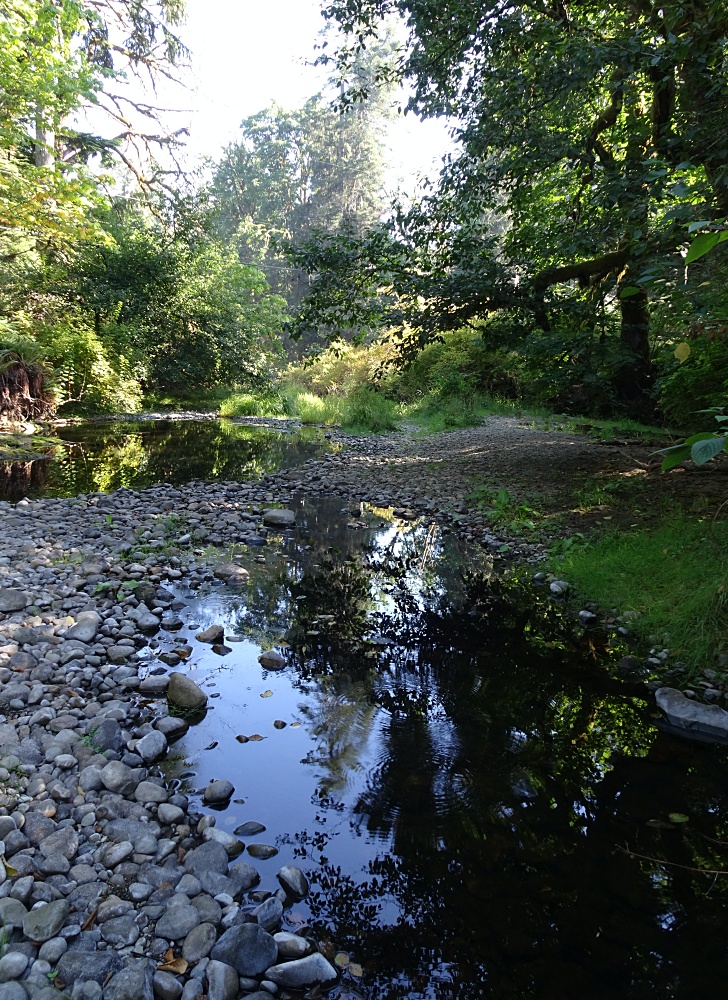
Here’s “Part 2” of the September 15 walk, featuring plants from the Black Creek gravel flats (accessed just upstream from the bridge in Miracle Beach Park). Low water levels (though not good!) give the botanist a chance to explore the creek & river beds. It’s an interesting ephemeral landscape in late summer. Hard to believe it will all be washed away soon. 

  1. Black Creek view.
  1. American brooklime (Veronica beccabunga).
  1. Blue skullcap or one-sided skullcap (Scutellaria lateriflora).
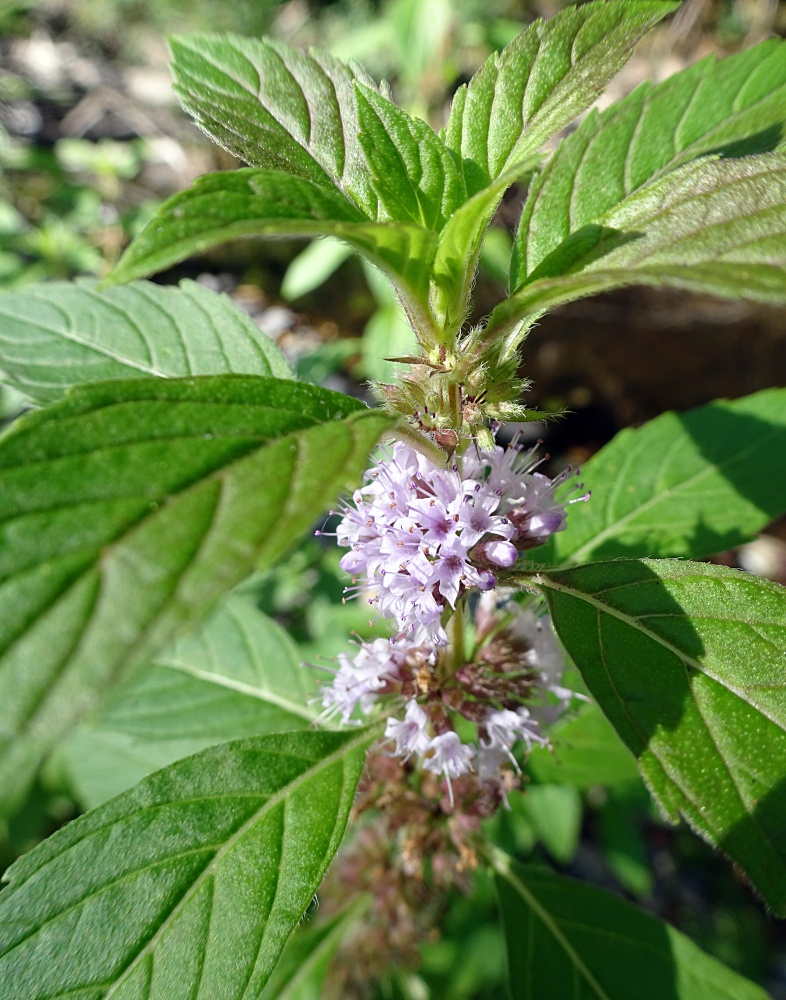
  1. Field mint (Mentha arvensis).
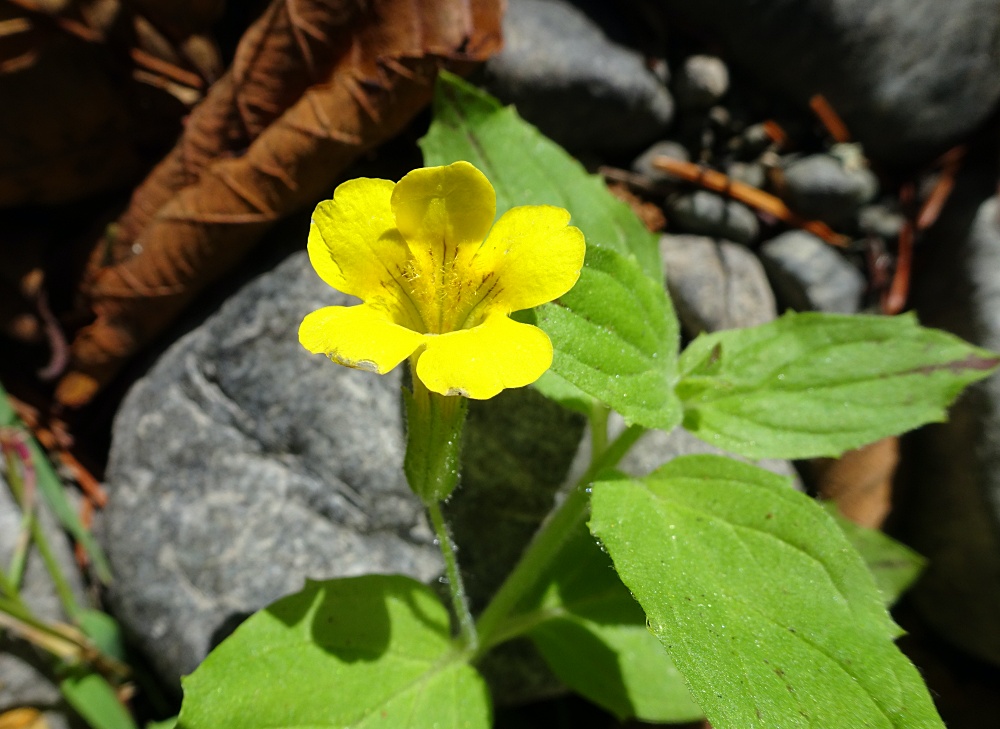
  1. Musk monkeyflower (Erythranthe moschatus). A lovely little creekside flower with slippery leaves. Special!
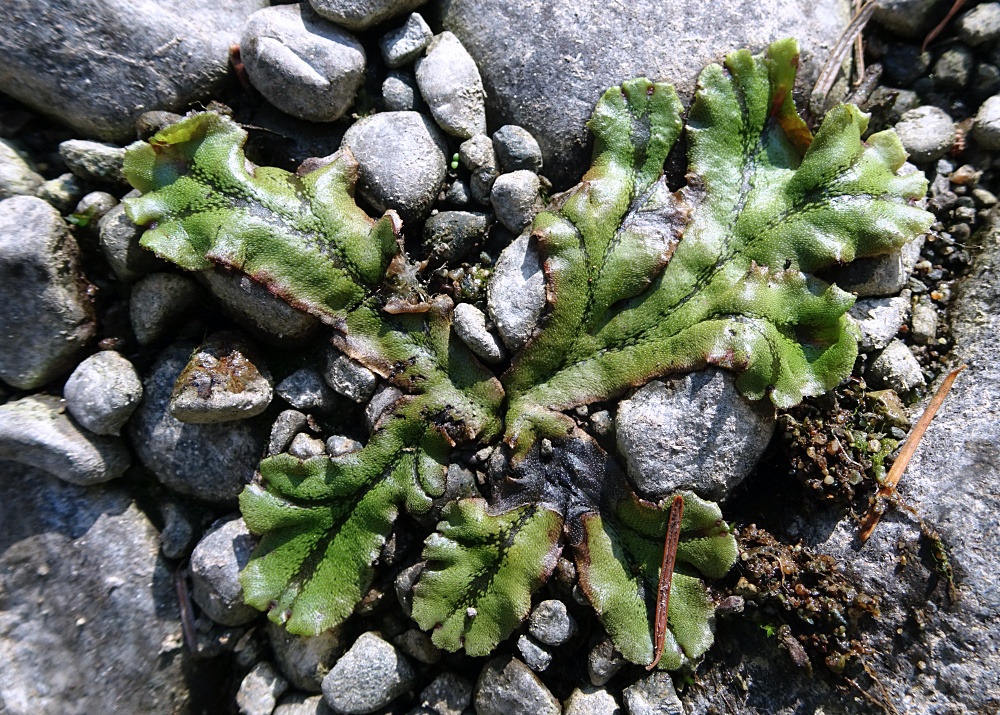
  1. Lung liverwort (Marchantia polymorpha) was a nice surprise. Note the pronounced dark line along the middle of the thallus.
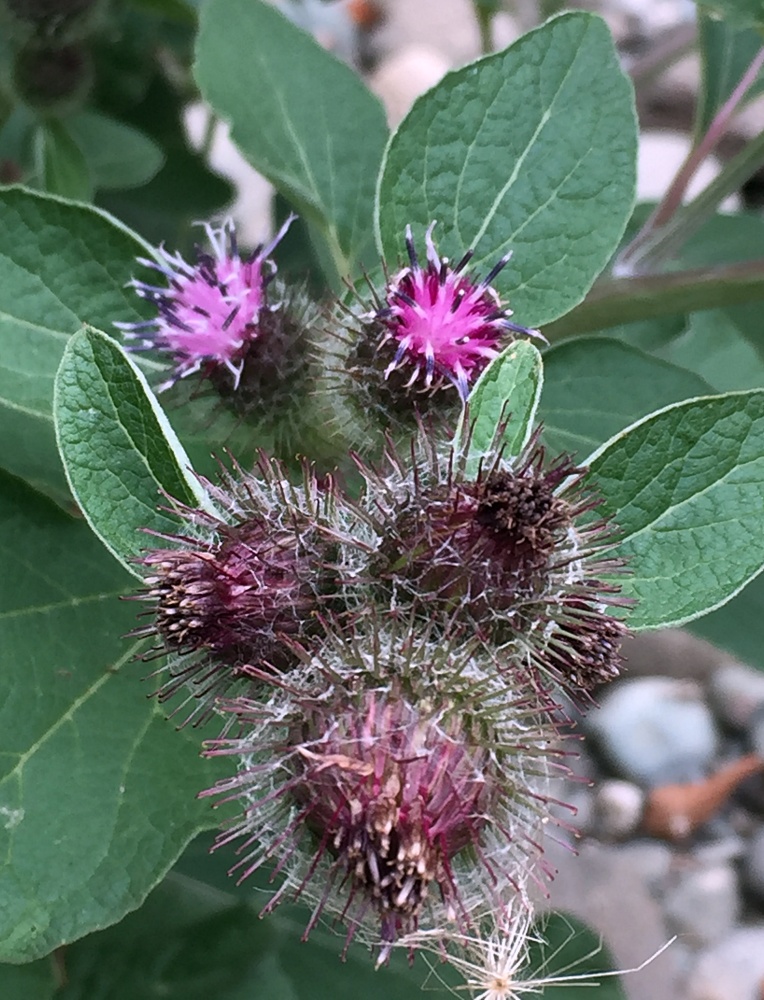
  1. Burdock seeds (Arctium minus). Joan told us a fun story about how she and her childhood friends used to build things with these stick-together seed heads. Note the hooked tips, like mini crochet hooks, which were the inspiration for the invention of Velcro.
  1. Burdock blooms from back in early August.
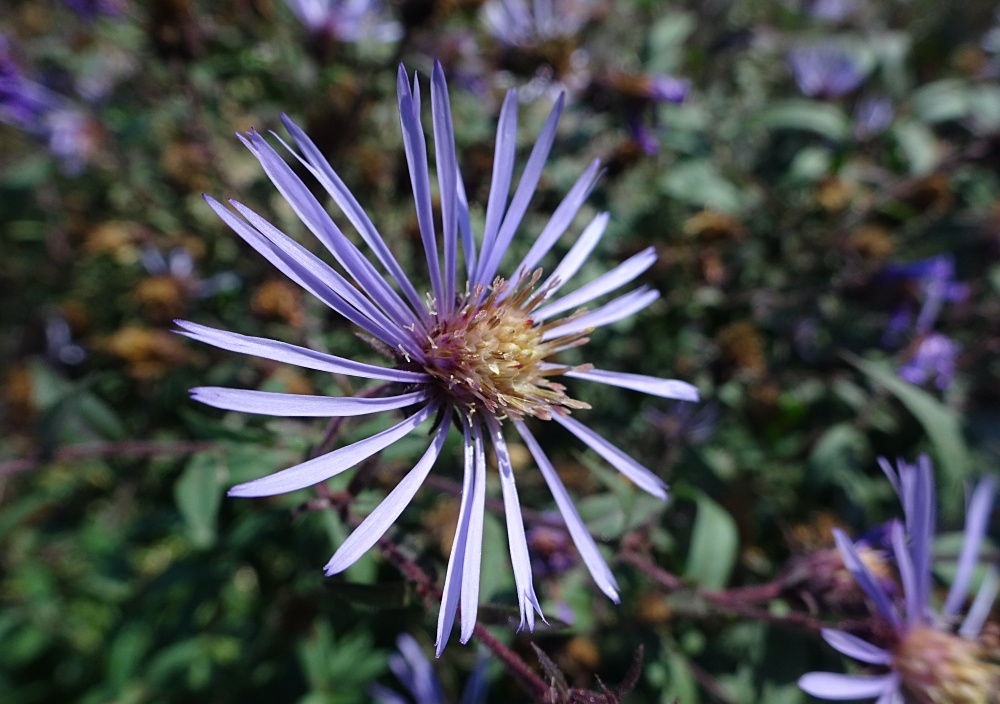
  1. Douglas aster (Aster subspicatus).
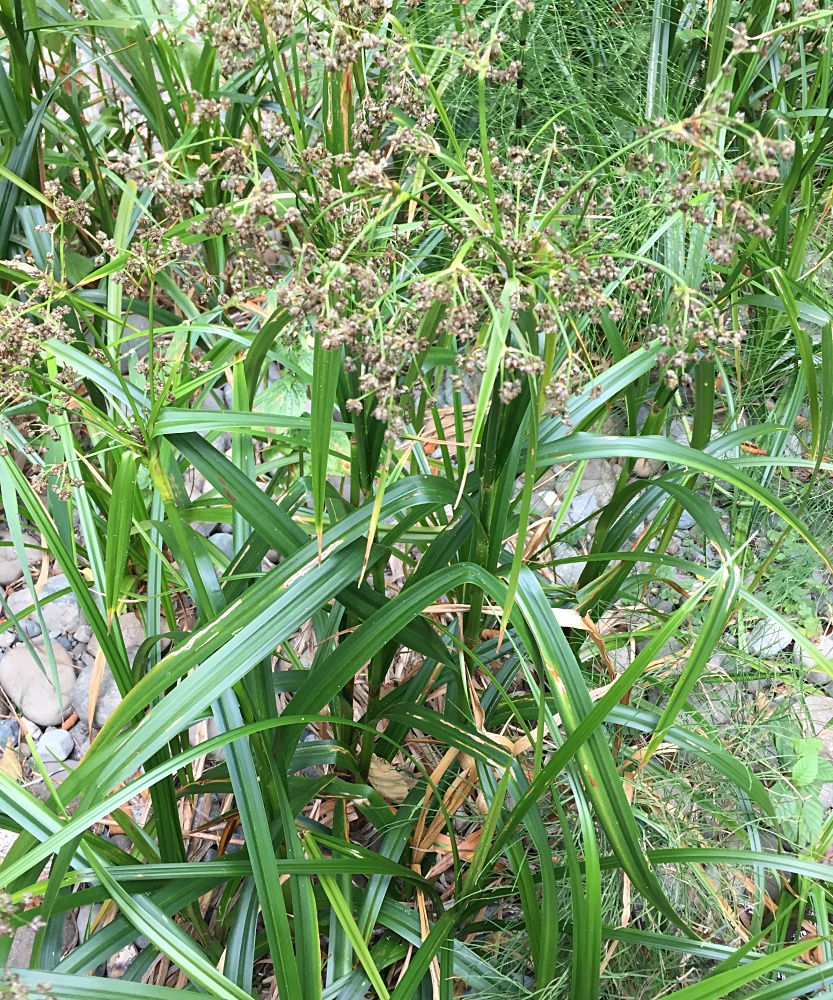
  1. Small-flowered bulrush (Scirpus microcarpus). A large, spectacular plant in the sedge family.
Posted in Field Trips, Plants and fungi | Comments Off on Plants of Miracle Beach Park, part 2

Plants of Miracle Beach Park, part 1

From an email by Jocie to the Botany/Mycology Group on September 19. Click a photo to enlarge it.

On September 15 we took advantage of a sunny day to check out Miracle Beach Park, visiting the Black Creek estuary and plants along the exposed gravel bars of the creek bed. 

So many wonderful plants, and still quite a few blooms! 

Here is “Part 1” featuring some mostly common plants of the salt marsh and estuary. 

  1. Black Creek estuary view.
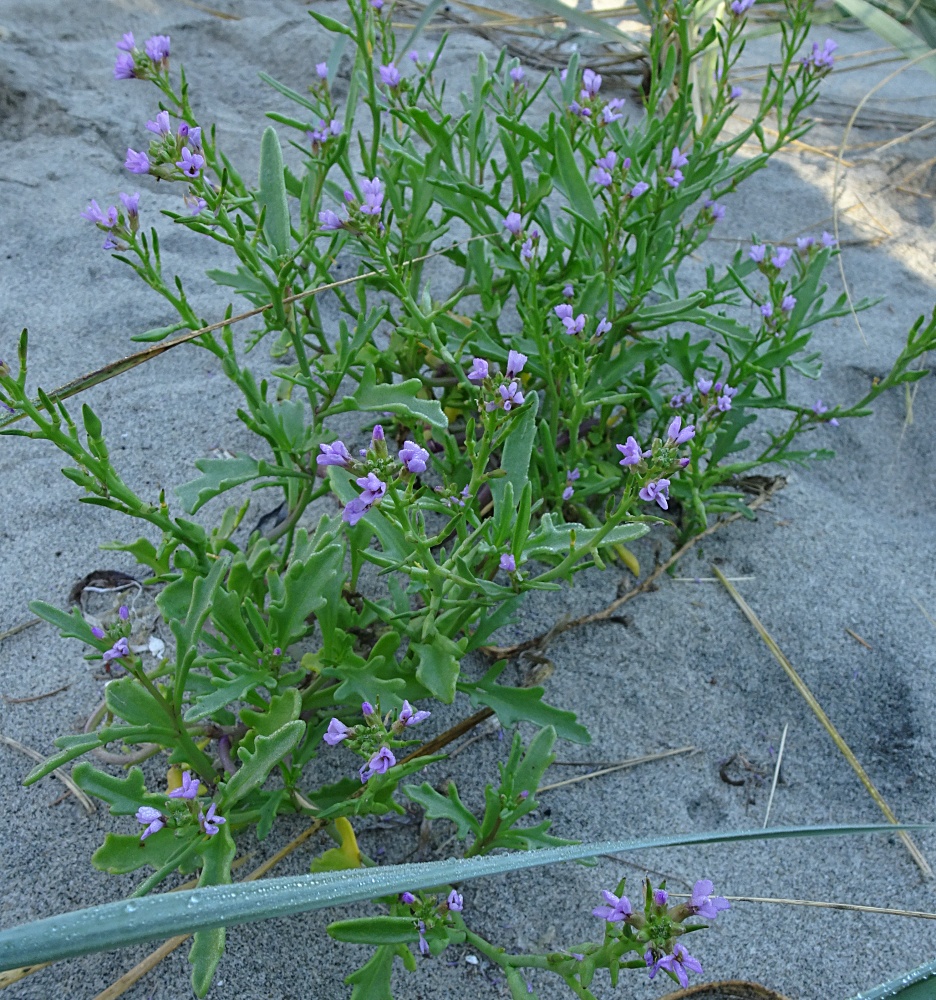
  1. American searocket (Cakile edentula). A profusion of delicate purple flowers.
  1. Close-up of the searocket flowers.
  1. Oregon gumweed (Grindelia stricta). Bright yellow flowers and sticky buds that exude a white latex.
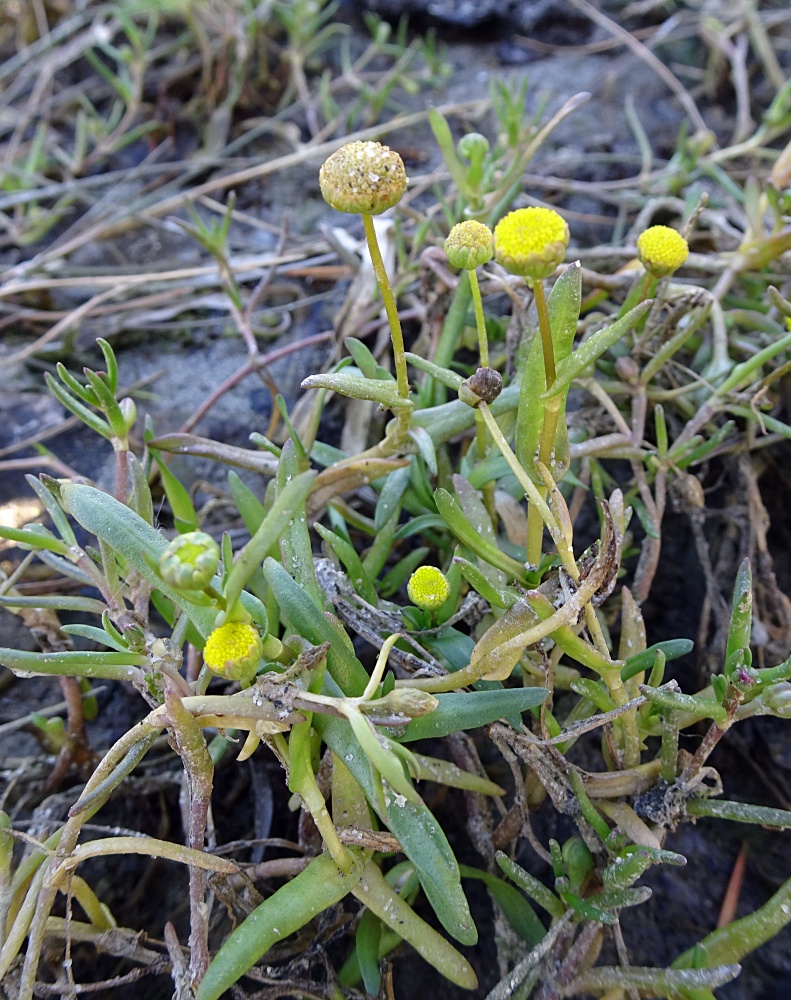
  1. Brass buttons (Cotula coronopifolia). A South African exotic, invading our estuaries.
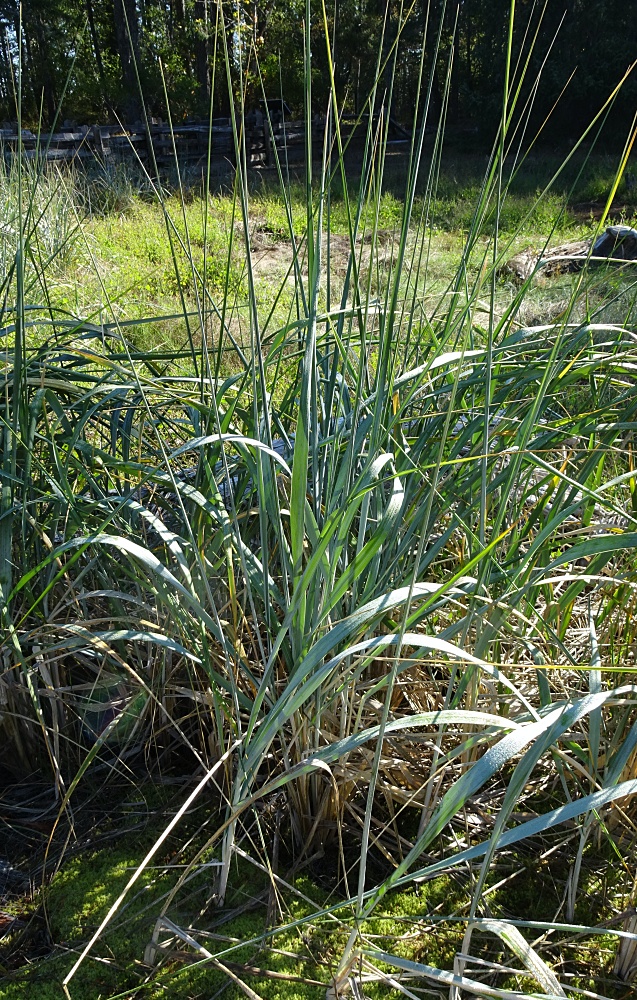
  1. Dune grass (Elymus mollis). One of our most spectacular native grasses and a great shoreline stabilizer. Strappy blue-green leaves and lofty seed heads. It’s criminal that so many people remove it from their beachside properties!
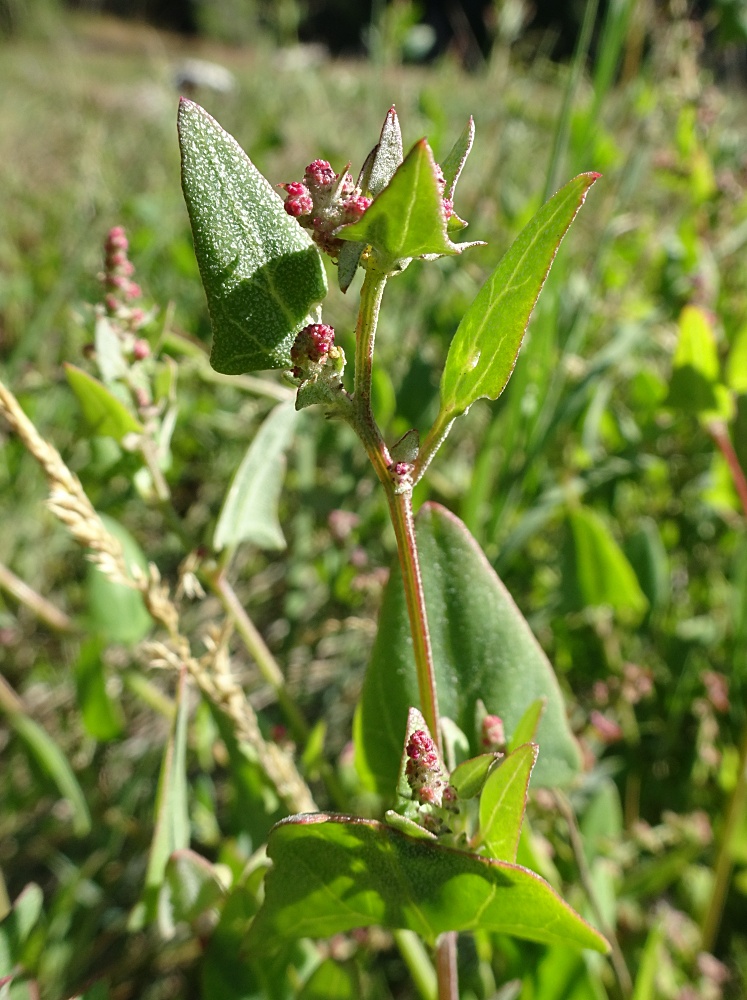
  1. Orache (Atriplex sp.). Very abundant at the estuary.
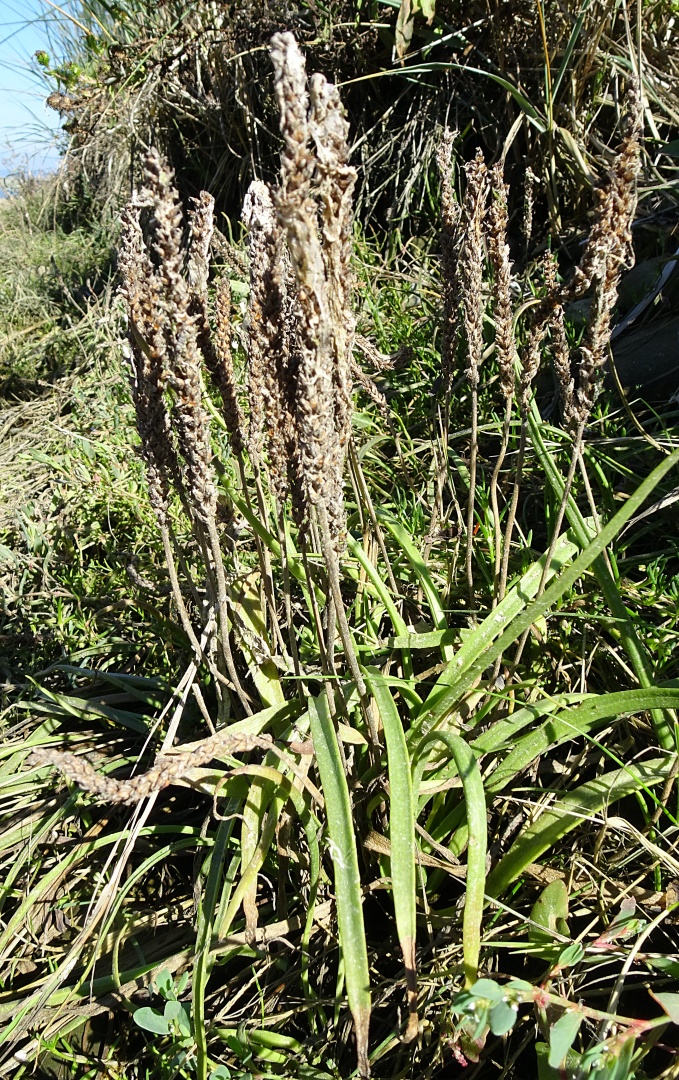
  1. Seaside plantain (Plantago maritima). Note the rubbery, grooved leaves.
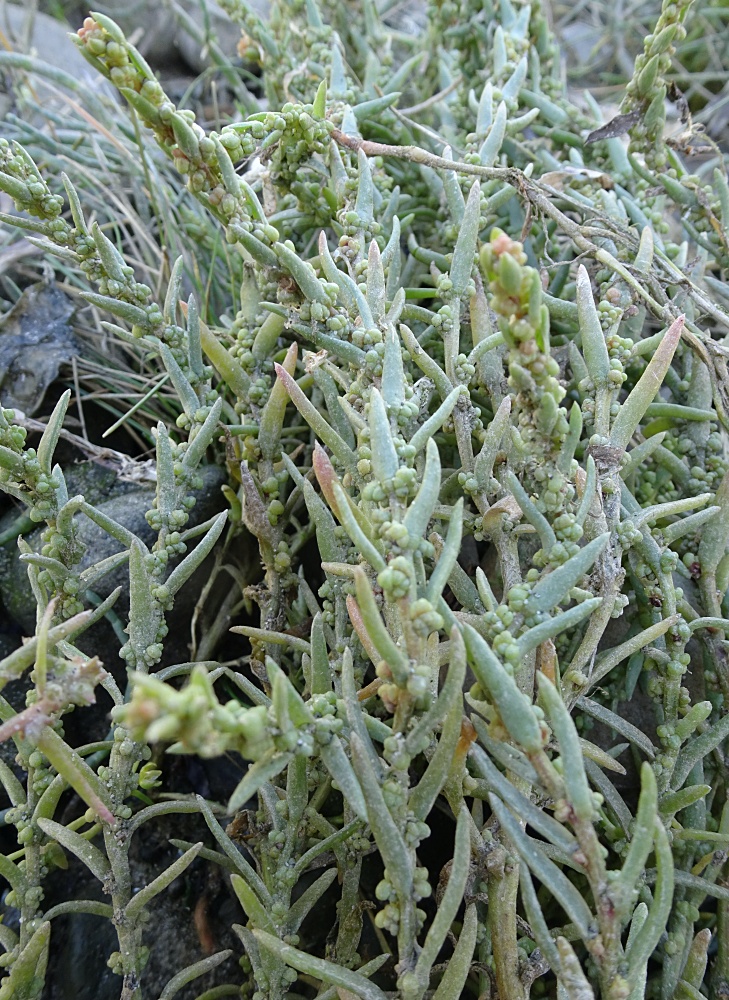
  1. Horned seablite (Suaeda calceoliformis). I found this in August, and I’d never seen it at the Black Creek estuary before (it does blend right in with the pickleweed). I couldn’t locate it on our walk, but I went back a few hours later and found the darn thing! Note the pointed leaf tips, different from the rounded tips of the Salicornia (pickleweed).
Posted in Field Trips, Plants and fungi | Comments Off on Plants of Miracle Beach Park, part 1

Recording for talk on insectivorous birds in Strathcona Park

Comox Valley Nature members recently attended the following webinar presented by the Strathcona Wilderness Institute, facilitated by the Canadian Society of Environmental Biologists:

Title: Climate Change and its Potential Impact on Insectivorous Bird Populations of Strathcona Provincial Park
Speaker: Mateo Jaeckel
Date: Monday, September 11, 2023

If you missed this event or would like to see it again, CSEB has made the recording available here. To access it you will need to provide your name and email address.

Alternatively, you can view just the talk without the host’s introduction and without the question period as a YouTube video.

For more information about this talk, see the announcement in our earlier post.

Posted in Birds, Climate, Ecology, Guest Speakers | Comments Off on Recording for talk on insectivorous birds in Strathcona Park