From an email by Jocie to the Botany/Mycology Group on September 19. Click a photo to enlarge it.
On September 15 we took advantage of a sunny day to check out Miracle Beach Park, visiting the Black Creek estuary and plants along the exposed gravel bars of the creek bed.
So many wonderful plants, and still quite a few blooms!
Here is “Part 1” featuring some mostly common plants of the salt marsh and estuary.
- Black Creek estuary view.

- American searocket (Cakile edentula). A profusion of delicate purple flowers.
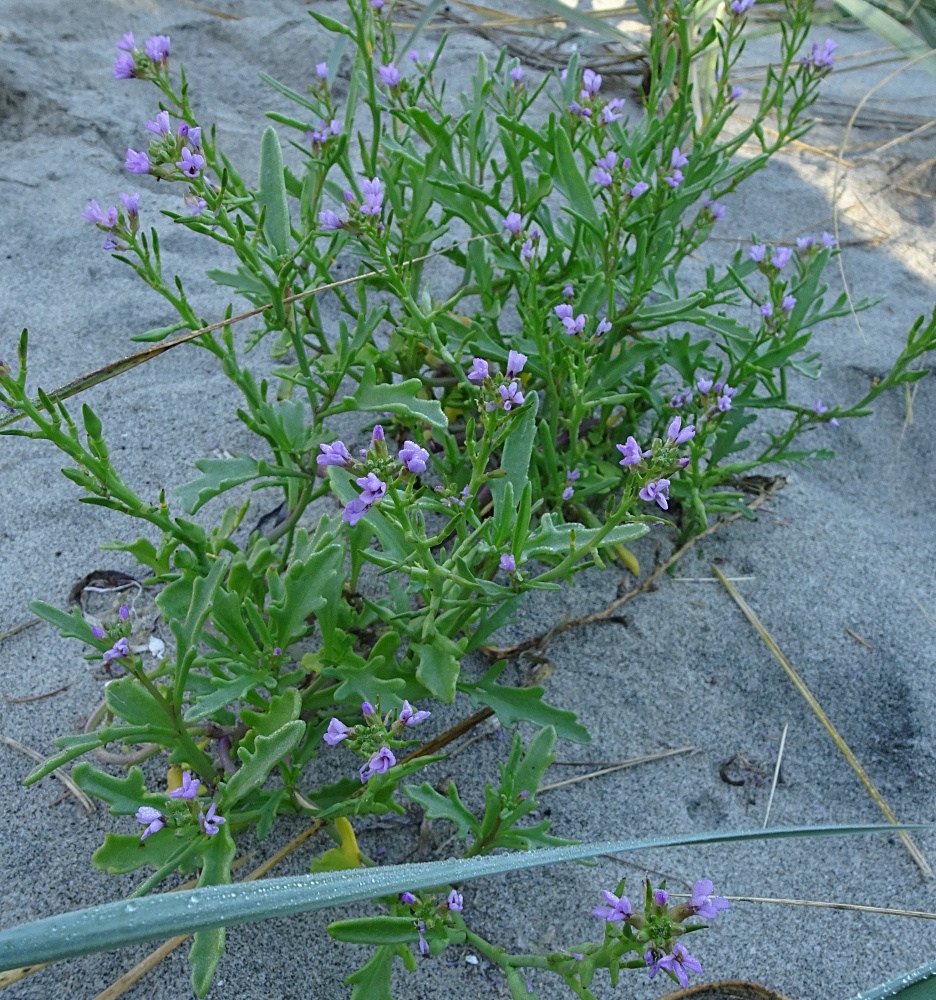
- Close-up of the searocket flowers.

- Oregon gumweed (Grindelia stricta). Bright yellow flowers and sticky buds that exude a white latex.

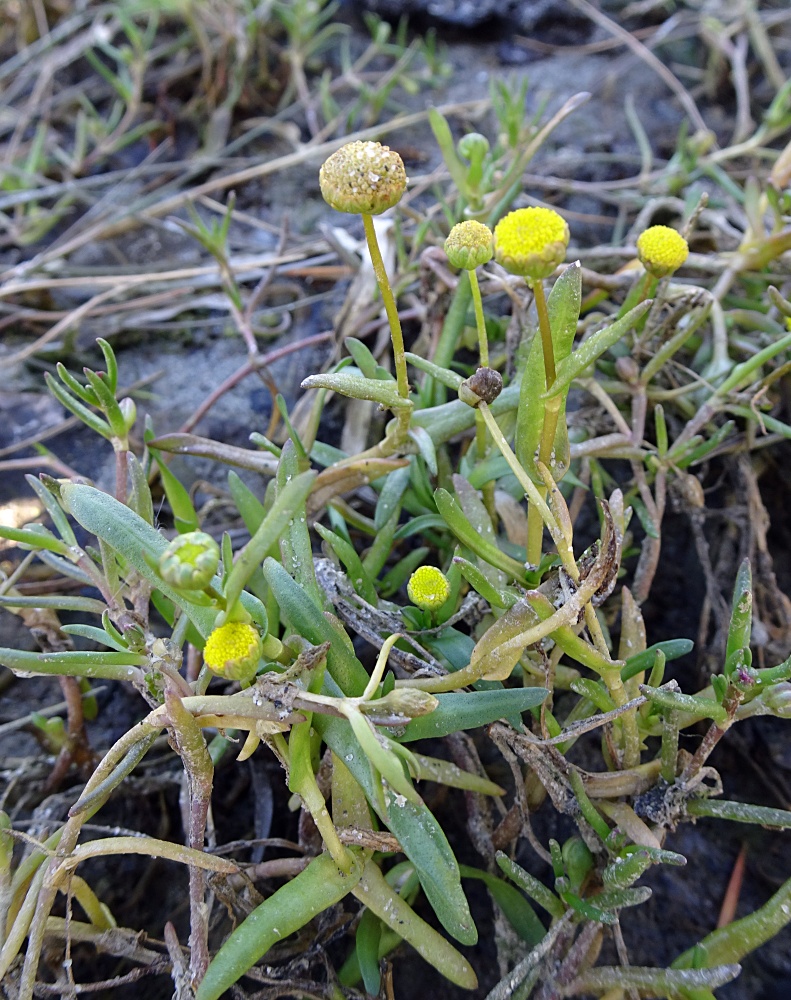
- Brass buttons (Cotula coronopifolia). A South African exotic, invading our estuaries.
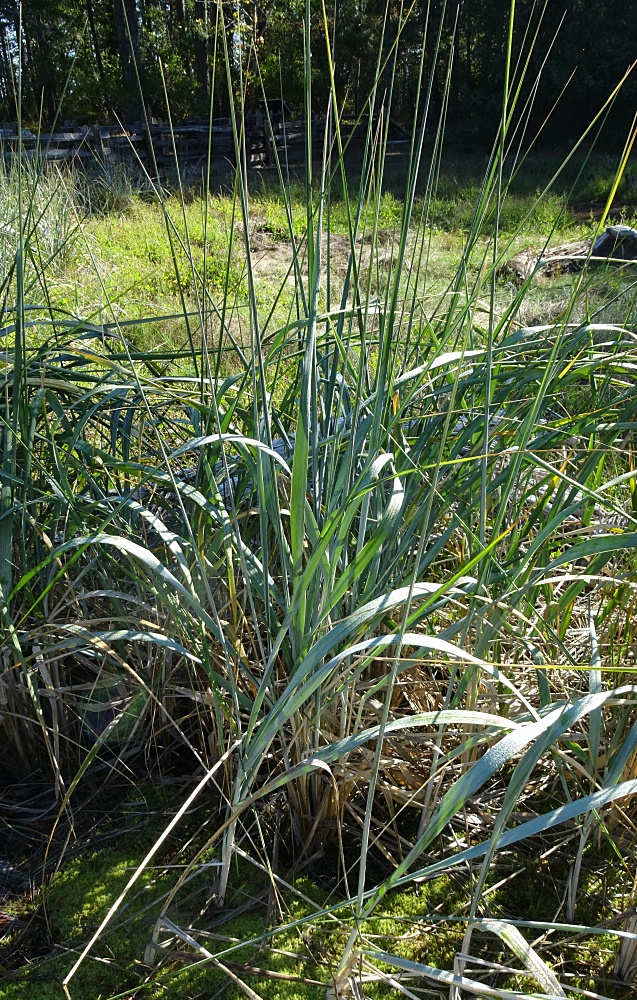
- Dune grass (Elymus mollis). One of our most spectacular native grasses and a great shoreline stabilizer. Strappy blue-green leaves and lofty seed heads. It’s criminal that so many people remove it from their beachside properties!
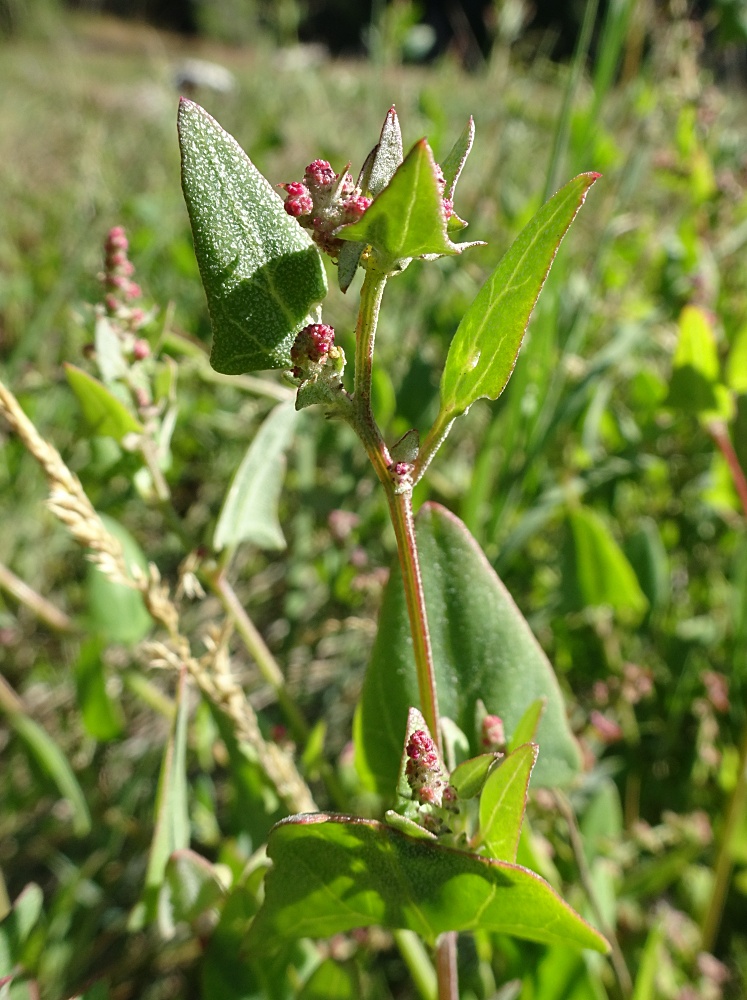
- Orache (Atriplex sp.). Very abundant at the estuary.
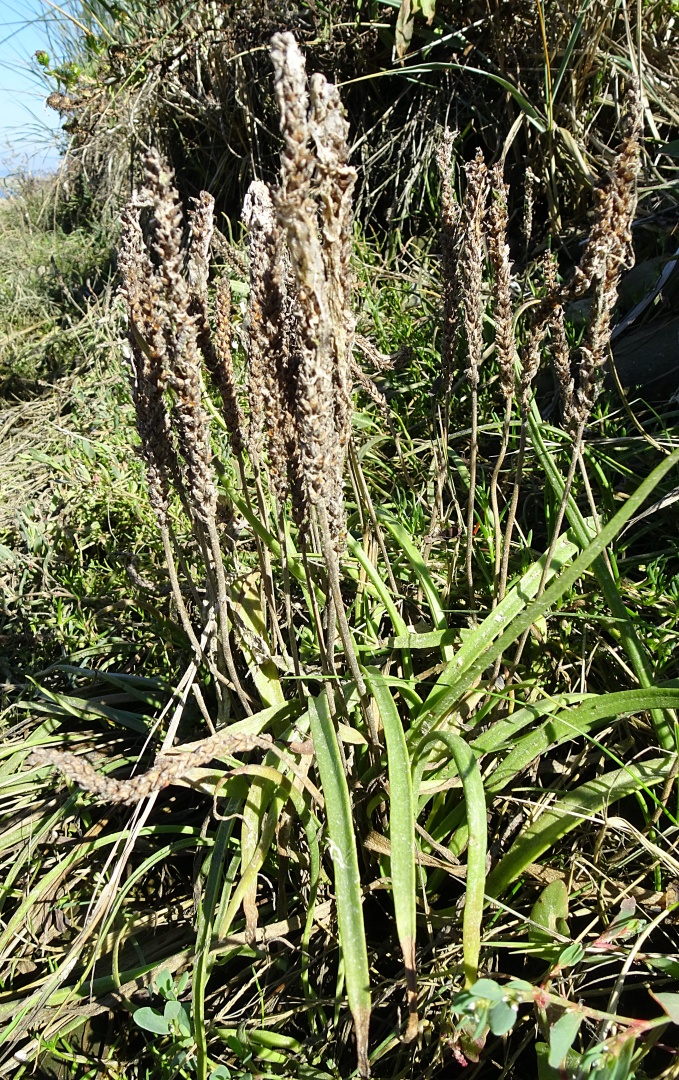
- Seaside plantain (Plantago maritima). Note the rubbery, grooved leaves.
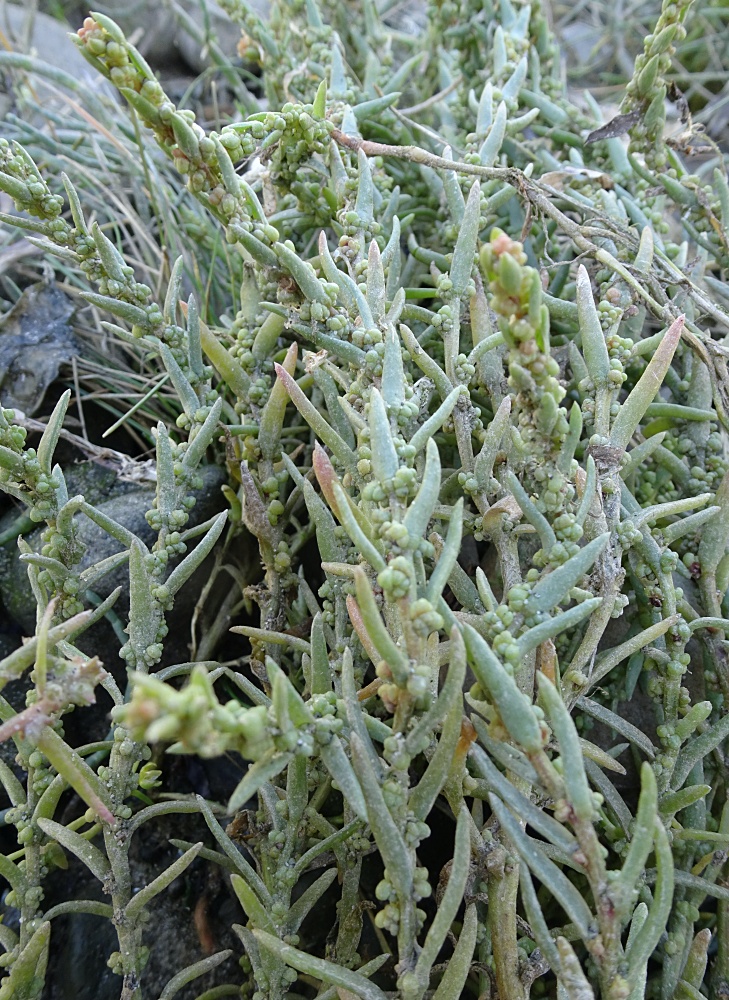
- Horned seablite (Suaeda calceoliformis). I found this in August, and I’d never seen it at the Black Creek estuary before (it does blend right in with the pickleweed). I couldn’t locate it on our walk, but I went back a few hours later and found the darn thing! Note the pointed leaf tips, different from the rounded tips of the Salicornia (pickleweed).